Why Relient K's 'I So Hate Consequences' Hits Hard
For many listeners, the meaning of I So Hate Consequences Relient K comes down to one painful truth: they know they did wrong, but they are more afraid of the fallout than the sin itself. The song is not just about guilt. It is about avoidance, excuses, and the long walk back after they finally stop running.
"I So Hate Consequences" - Relient K
And I'm good, good, good to go
I gotta get away
Loading lyrics...
Unable to load lyrics
We're unable to display the lyrics at this time. Please try again later.
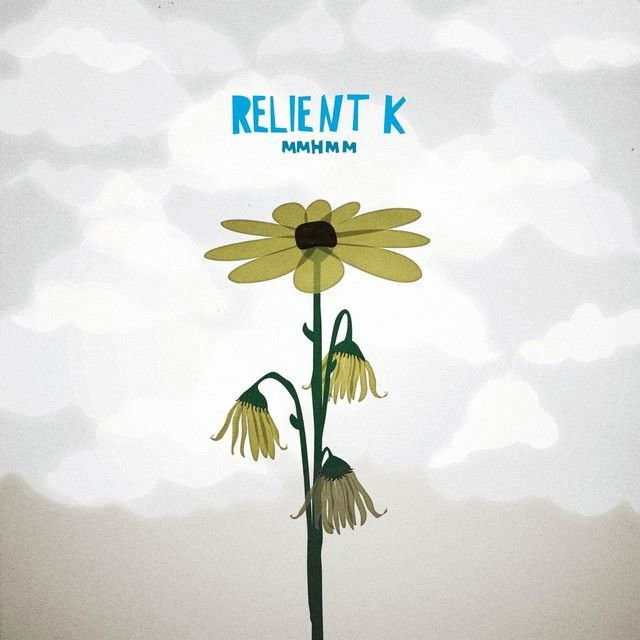
Relient K released the track on The Anatomy of the Tongue in Cheek, the band’s 2001 album on Gotee Records. Written by Matt Thiessen, it sits in the group’s early pop-punk and alternative style: fast, catchy, and funny on the surface, yet serious underneath. That mix matters because the bright sound makes the moral panic feel even more human.
The Core Message Beneath the Hook
At its heart, the song tells the story of someone who wants escape more than accountability. Early lines push that idea hard with the repeated urge to get away
. They are not calmly reflecting on a mistake. They are trying to outrun the feeling of being exposed.
The title phrase is blunt because the speaker is blunt with themself. When they admit I so hate consequences
, they are not pretending to be noble. They are confessing a childish impulse: they want forgiveness without discomfort, apology without repair, and relief without change.
That honesty gives the song its power. Instead of acting strong, the narrator sounds cornered. They know excuses are failing, and they know the damage is real.

Watch the official I So Hate Consequences
music video
A Spiritual Struggle, Not Just a Bad Mood
The chorus makes the song’s target clear. The person is not only running from people they hurt. They are running from God. The line running from you
turns the song from a simple guilt narrative into a faith-based confession.
That spiritual frame fits Relient K’s early catalog and public identity as a Christian rock band, documented in their AllMusic biography. Still, the writing works for a wide audience because the emotion is universal. Even listeners without the same beliefs can recognize the fear of facing a moral standard they have failed.
Interpretation: the song suggests that the real pain is not punishment. It is the gap between who they are and who they know they should be. That is why the chorus sounds panicked rather than angry. They are ashamed, not rebellious.
How the Story Moves From Flight to Return
The verses form a clear emotional timeline:
- They feel trapped by past choices.
- They try denial and excuses.
- They realize the problem is bigger than a setback.
- They exhaust every escape route.
- They finally hear welcome instead of rejection.
That last turn is the song’s emotional center. The bridge shifts from frantic motion to surrender. The speaker stops long enough to hear a short, tender message:
I miss you son. Come home.
That moment changes everything. Up to then, they expect blame. Instead, they hear invitation. The song does not erase wrongdoing, but it reframes the relationship. Home is still open.
Images of Motion, Traffic, and Control
One reason the lyrics connect so well is their simple imagery. Traffic lights, stop signs, and roads all point to rules, warning, and direction. The speaker sees these signs, but they do not want to obey them. They want movement without limits.
When they describe tearing down signs, the image is almost cartoonish, but the meaning is serious. They are trying to destroy reminders that they must stop, choose, or answer for anything. In plain terms, they want a world where nothing tells them no.
Interpretation: those road symbols represent conscience. Red lights, stop signs, and detours mirror the moral checks they are resisting. The more they resist, the more lost they become.
Why the Music Makes the Message Stronger
Musically, the song uses early-2000s pop-punk energy to mirror inner chaos. The tempo is brisk, the guitars push forward, and the drums keep the tension moving. That momentum supports the lyrical feeling of trying to flee before consequences catch up.
At the same time, the melody is memorable and almost playful. That contrast is key. A heavy acoustic ballad would make the song sound purely tragic. Relient K instead makes guilt sound restless, nervous, and adolescent. That choice fits a narrator who is not evil, just immature and scared.
When the song reaches its later emotional turn, the vocal delivery carries more vulnerability. The performance feels less defensive and more open. Without changing into a completely different song, the band creates the sense that the walls are finally dropping.
What the Chorus Reveals About Shame
The chorus matters because it says the quiet part out loud. Many songs about regret focus on heartbreak or punishment. This one focuses on reluctance. The speaker admits, in effect, that they do not want to deal with what they caused.
That makes the track sharper than a generic apology song. They are not saying, “I am innocent.” They are saying, “I know I failed, and I hate what comes next.” That distinction is the key to the meaning of I So Hate Consequences Relient K.
Shame also explains the repeated self-escape language. They keep trying to say they are good to go
, but the phrase sounds forced. It is less confidence than self-talk, like someone trying to sprint away from a truth that keeps following them.
A Song About Grace After Evasion
By the end, the track lands on grace, not self-improvement alone. The person does not save themself through discipline or cleverness. Their escapes fail. Their defenses fail. What remains is the possibility of being received after failure.
That is why the song has lasted for fans. It captures a very specific feeling: the moment they stop managing the image of being okay and admit need. In that sense, the song is about confession leading to reunion.
For casual listeners, the takeaway is simple. This is a song about fearing consequences, yes, but even more about discovering that mercy can meet them after the fear runs out.
Disclaimer: This interpretation is based on the song’s lyrics, recorded performance, and publicly available artist context. As with any song, listeners may hear meanings that differ from this reading.







