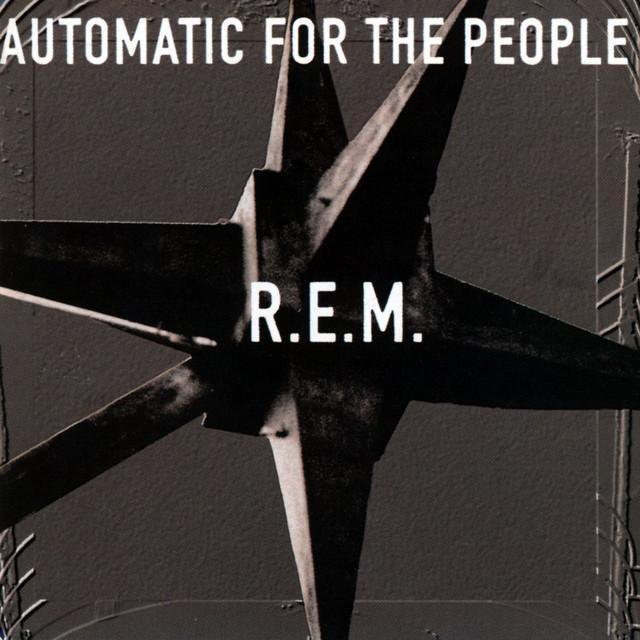
Drive by R.E.M.
The meaning of Drive R.E.M. starts with motion, but it does not stay there. R.E.M.'s 1992 single sounds like a song about movement, youth, and rock culture, yet it also feels uneasy, almost haunted. Released as the lead single from Automatic for the People, it announced that the band was stepping away from the brighter success of Out of Time and into something darker and more reflective.
"Drive" - R.E.M.
Smack, crack, bushwhacked
Tie another one to your racks, baby
Loading lyrics...
Unable to load lyrics
We're unable to display the lyrics at this time. Please try again later.
According to widely cited band commentary, Mike Mills said the song was about telling kids to take charge of their own lives, while Peter Buck stressed that listeners could approach the song on many levels. That mix of direction and ambiguity is exactly why "Drive" still invites debate.
A restless song about agency
On the surface, the lyric speaks to young people. It keeps calling out to Hey kids
, then follows with lines that suggest a world offering little guidance. The repeated idea that nobody tells them where to go or what to do creates a strange tension: freedom sounds exciting, but it also sounds lonely.
That is the heart of the song. It is not a simple celebration of rebellion. Instead, it asks what freedom feels like when adults, politics, and culture all seem unreliable.
Interpretation: The speaker seems less like a preacher and more like someone standing in the same confusion, asking whether action matters and who gets to choose the route.

Watch the official Drive
music video
Why the lyrics feel blunt and slippery
The opening phrase Smack, crack, bushwhacked
lands like a collision. It is one of the song's sharpest moments, and critics and band comments have often linked bushwhacked
to George H.W. Bush and Stipe's political awareness in the early 1990s. That gives the song a political edge, even if it never turns into a direct slogan.
The next images are harder to pin down. The song jumps from commands to questions, then to nursery-rhyme rhythm, then back to unease. Phrases like rock around the clock
and Tick-tock, tick-tock
bring in old rock-and-roll language, but they do not feel nostalgic. They feel pressured, as if time is running out.
Interpretation: R.E.M. may be using familiar youth-culture phrases to show how empty slogans can sound when the world feels unstable.
The title points to movement and choice
The title matters because driving is more than transportation here. In one sense, it suggests action: do not stand still, do not wait for permission, choose a direction. In another sense, it suggests escape. The line built around Maybe I drive to get off
hints at motion used as release, relief, or even numbness.
That double meaning makes the song richer. To drive can mean taking control, but it can also mean trying to outrun confusion. The song never fully decides between those meanings.
This also fits the broader history around the title. R.E.M. were associated with voter-registration efforts tied to the Motor Voter movement, so "Drive" carries a civic echo too: participation, action, and responsibility.
How the music deepens the meaning
A big reason the meaning of Drive R.E.M. feels so powerful is the arrangement. The track begins with a slow, circular acoustic figure, then gradually adds weight. Michael Stipe sings close to a speaking voice, and the echo around him makes the performance feel distant and intimate at the same time.
As the song grows, layered guitars and orchestral color widen the emotional space. Reports on the track's making note that the arrangement was partly inspired by Queen, while reviews at the time highlighted its slow build and sombre atmosphere. The result is a song that feels suspended between lullaby and warning.
That matters because the music never gives the listener a clean release. Even when it swells, it stays heavy. The band turns a simple groove into something almost cinematic, matching the lyric's push-pull between motion and doubt.
Where it sits in R.E.M.'s career
"Drive" was the lead single and opening track from Automatic for the People, released in September 1992. That album followed the major breakthrough of Out of Time, and choosing such a subdued song as the first statement was a bold move.
It worked. The single reached No. 1 on Billboard's Modern Rock chart and helped frame the album's serious tone. The record itself became one of the band's most admired releases, often praised for its maturity and emotional depth.
In that context, "Drive" feels like a gate opening into the whole album. Its weary tone, careful pacing, and refusal to give easy answers prepare listeners for a record preoccupied with time, change, mortality, and responsibility.
Two strong ways to read the song
Reading one: a message to young listeners
This is the clearest interpretation. The song speaks to youth directly, mixes challenge with concern, and suggests that nobody else will provide a map. That fits Mike Mills' comment about taking charge of life.
Reading two: a portrait of cultural drift
There is also a broader reading. The song may be less advice than diagnosis, capturing a generation surrounded by noise, slogans, and political disappointment. In that version, the repeated calls to kids sound anxious, not confident.
Both readings can be true at once. That openness is part of what Buck meant when he said listeners could appreciate the song however they wanted.
Why "Drive" still connects
What keeps "Drive" alive is its balance of clarity and mystery. It clearly speaks about youth, pressure, and action, but it avoids neat conclusions. Instead, it circles around a hard question: what do people do when freedom feels real, but direction does not?
That is why the meaning of Drive R.E.M. still resonates. It is a song about movement in a world that offers few instructions, and about how growing up can feel like being told to go forward without being told where.
Interpretation disclaimer: Song meanings can be subjective. This reading blends documented context, band comments, and close lyrical analysis rather than claiming a single final answer.








