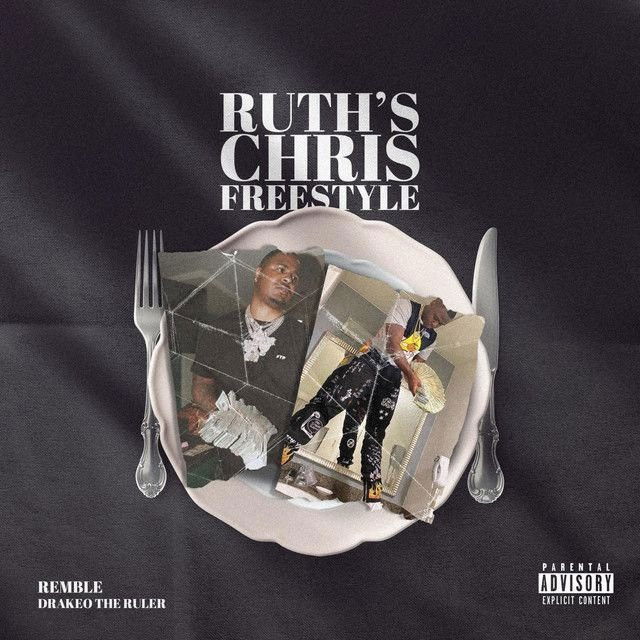
Why 'Ruth's Chris Freestyle' Feels So Cold
The meaning of Ruth's Chris Freestyle Remble, Drakeo the Ruler starts with a sharp contrast: luxury and danger live in the same breath. The song moves from expensive dinners and new cars to paranoia, revenge, and survival. That split is what gives the track its sting.
"Ruth's Chris Freestyle" - Remble, Drakeo the Ruler
Ruth's Chris after the homies drop a new opp (well done, fellas)
New sticks for you if you want to pop off
Loading lyrics...
Unable to load lyrics
We're unable to display the lyrics at this time. Please try again later.
Rather than sounding emotional or chaotic, Remble delivers these lines with eerie calm. That choice matters. It makes the song feel less like a burst of anger and more like a person explaining the rules of a world they think is normal.
The Real Message Hiding Behind the Flexes
At the surface, the song is full of bragging. They talk about status, weapons, enemies, and rising above people who doubted them. But beneath that, the song is really about how success does not erase danger.
A key image is the title itself. The idea of going to Ruth's Chris after violence turns fine dining into a symbol of emotional numbness. When they say Slammed a nigga then went partying at Ruth's Chris
, the point is not just shock value. It shows a mindset where brutality and celebration sit side by side.
Interpretation: the song suggests that in this world, making it out does not mean becoming peaceful. It means carrying trauma, pride, and suspicion into a richer lifestyle.
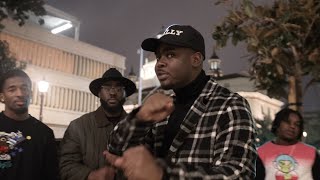
Watch the official Ruth's Chris Freestyle
music video
A Voice That Sounds Calm on Purpose
One reason Remble stands out is delivery. Their flow is clipped, direct, and oddly conversational. That style has often been linked to the offbeat, coded lane opened wider by Drakeo the Ruler, a major figure in modern Los Angeles rap, as noted by outlets like The New York Times and Pitchfork.
That context helps explain the song's tone. Remble does not rap these threats like a screaming villain. They sound organized, amused, and in control. When they say we ain't finna boo-bop
, they reduce physical fighting to something almost childish. In their logic, conflict has already escalated past that.
Why the restraint matters
The most chilling part of the song is how little they raise their voice. The beat leaves room for each line to land, so every threat sounds intentional. Production-wise, the track uses a sparse West Coast foundation: hard drums, wide empty space, and minimal melodic clutter. That emptiness makes the words feel more exposed.
How the Lyrics Build a Street-Life Timeline
The song also works like a compressed life story. It moves through a few key stages:
- They describe present-day fame and attention after dropping music.
- They contrast that with earlier struggle and exclusion.
- They return to current danger, saying enemies still exist.
- They end by mixing money talk with warnings and finality.
That middle section is important. When they mention being the one who didn't fit in
, the song briefly drops the hard exterior. They frame themselves as somebody shaped by rejection, betrayal, and lessons learned too late.
The line about their mother warning them about snakes pushes that idea further. Paraphrased, they admit they ignored good advice and got hurt for it. This gives the song a small but real emotional center: mistrust was not random; it was learned.
Violence as Identity, Not Just Action
A lot of the song's language is about action, but its deeper focus is identity. They are not just saying they can defend themselves. They are insisting that other people should understand exactly who they are.
When they claim don't play with Remble
, it functions like branding as much as a warning. The name becomes a reputation. In street rap, that matters because fear, respect, and myth can be as valuable as money.
Interpretation: this is why the song keeps circling back to what others will or will not do. Remble measures realness against performance. Many rivals talk big, but the narrator presents themselves as someone who acts, remembers, and survives.
What Drakeo's Presence Adds to the Meaning
The title links Remble with Drakeo the Ruler, and that connection matters even beyond direct performance credits. Drakeo's legacy includes dry humor, sideways phrasing, and a style that made menace sound casual. Remble taps that same energy here.
That does not mean the song is only imitation. It means the track belongs to a Los Angeles rap tradition where wit and threat are woven together. Even a phrase like bar for bar
does double duty: it is about rap skill, but it also hints that lyrical dominance and street dominance are being treated as related forms of power.
The Song's Symbols: Steakhouse, Cars, and Weapons
Several images repeat because they carry the song's themes:
- Ruth's Chris: wealth, detachment, and post-conflict reward
- Cars and pull-ups: mobility, pressure, and constant readiness
- Guns: survival, power, and paranoia
- Home references: nowhere is fully safe
- Money storage: success measured physically, in cash and objects
Together, these details create a world where material progress exists, but peace does not. Even victory sounds stressful.
So What Is the Meaning of Ruth's Chris Freestyle Remble, Drakeo the Ruler?
The clearest answer is that the song portrays success as an extension of street warfare, not an escape from it. Remble turns flexes into evidence of what they have lived through, and they present violence, luxury, and ambition as parts of one system.
That is why the song feels so cold. It is not begging for sympathy. It is showing a worldview where danger has become routine and where celebration can happen in the same scene as loss.
Interpretation disclaimer: song meaning is always part fact, part reading. This article reflects one good-faith interpretation based on the lyrics, artist context, and the track's sound.








