Why 'Ridin' the Storm Out' Still Feels Defiant
The meaning of Ridin' the Storm Out REO Speedwagon starts with a real snowstorm, but the song lasts because it feels bigger than that. They built a hard-rock anthem out of being stranded, cold, and forced to wait. In the process, REO Speedwagon turned a bad night into a statement about endurance.
"Ridin' the Storm Out" - REO Speedwagon
On a full moon night in the rocky mountain winter
Wine bottle's are low, watching for the snow
Loading lyrics...
Unable to load lyrics
We're unable to display the lyrics at this time. Please try again later.
According to Songfacts, guitarist Gary Richrath wrote the song after a dangerous Colorado blizzard caught the band during a prank-gone-wrong on tour. The track became the title song of REO Speedwagon’s 1973 album Ridin’ the Storm Out, released December 21, 1973, and produced by Bill Halverson, as summarized in Wikipedia’s album entry.
A Blizzard Song That Became a Life Song
At the most direct level, the song describes people stuck in rough weather, waiting it out. The repeated hook, ridin' the storm out
, is simple, but that is why it works. They are not conquering the storm in some dramatic way. They are surviving it.
That patience matters. The lyric does not rush toward rescue. Instead, it notices small details: low wine bottles, snow outside, moonlight over the mountains. Those details make the scene feel real, but they also show a change in mindset. The narrator stops asking what they are missing elsewhere and starts realizing they may not be missing much at all.

Watch the official Ridin' the Storm Out
music video
The Escape From the City
One of the song’s key ideas is the contrast between the mountains and urban life. The lyric points toward the city as a place of strain, then compares that pressure to the storm outside. In paraphrase, the song suggests that nature may be scary, but the social grind can be worse.
That tension appears in phrases like life in the city
and not missing a thing
. The first phrase stands for stress, speed, and emotional fatigue. The second signals a sudden calm. They are stuck, but they are also free from the usual noise.
Interpretation: this is why the song feels more reflective than a standard road tune. The blizzard becomes a forced retreat, and that retreat reveals what really matters.
A Love Song Hiding Inside the Storm
There is also a relationship at the center of the lyric. The narrator is not alone. A woman beside them offers comfort and direction, and the song frames that closeness as part of finding shelter.
When the lyric mentions finally found our home
, it does not seem to mean a house in the ordinary sense. It suggests emotional grounding. Home becomes a shared feeling, not a fixed address.
That idea gives the song warmth. The storm is still dangerous, but the human connection changes its meaning. Instead of pure isolation, the track becomes about partnership under pressure.
How the Chorus Turns Waiting Into Strength
The chorus is repetitive on purpose. Each return to ridin' the storm out
sounds like a decision being renewed. They cannot stop the weather, so they choose endurance.
This is where the meaning of Ridin' the Storm Out REO Speedwagon becomes universal. Almost everyone knows what it feels like to be caught in conditions they cannot control. The song offers a plain response: hold on, stay steady, and let time do some of the work.
Interpretation: the hook is not passive. It sounds patient, but it is really stubborn. They are still there. They have not folded.
The Sound Makes the Weather Feel Real
Musically, the track helps tell the story. Songfacts notes the famous opening Moog synthesizer played by Neal Doughty, a sound many listeners describe as siren-like or stormy. It gives the song an immediate sense of tension before the guitars fully arrive.
After that intro, the arrangement settles into muscular hard rock. Wikipedia lists the album’s style as hard rock and blues rock, and that mix fits the song well. The guitars push forward, the drums stay firm, and the groove feels less panicked than determined.
That balance matters. If the band had played it as pure chaos, the song might feel like fear. Instead, the performance sounds controlled, as if they are bracing themselves and refusing to break. A contemporary Record World review, quoted by Wikipedia, praised its “good mix of hard rock guitar sounds and harmony vocals,” which gets at the same point.
Why the Live Version Became the Classic
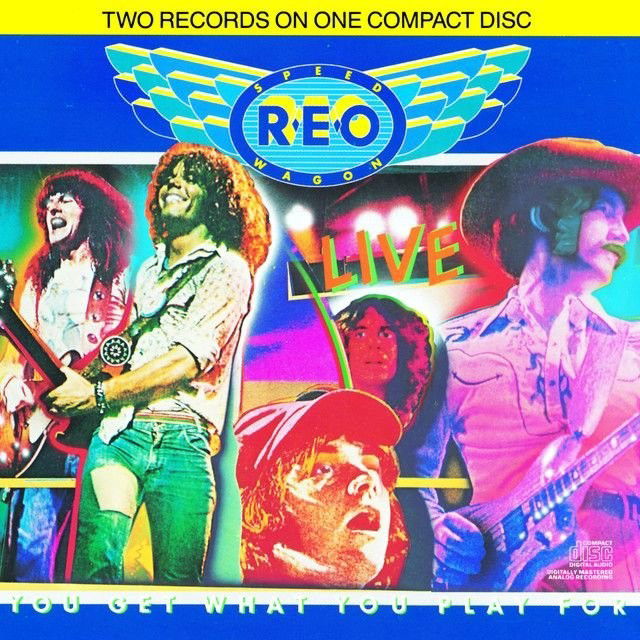
The original 1973 studio cut featured Mike Murphy on lead vocals after Kevin Cronin left before the album’s release, as reported by Songfacts and Wikipedia. But when Cronin returned, a live version on Live: You Get What You Play For became the better-known one and later reached No. 94 in the U.S.
That history shapes the song’s meaning too. Over time, it stopped being just a story from the road and became part of the band’s identity. It was the kind of song that grew stronger in front of crowds, where repetition turned into communal release.
Final Take in the Cold Air
In the end, “Ridin’ the Storm Out” is about weather, but also about endurance, perspective, and finding shelter in another person when the world turns rough. It turns a real blizzard into a broader message: sometimes surviving is its own kind of victory.
This article offers an interpretation based on the lyrics, recording history, and documented context. Like any great rock song, its meaning can shift with the listener.








