Why REO Speedwagon Had to Let Go
The meaning of Time for Me to Fly REO Speedwagon comes down to one hard truth: sometimes love is real, but the relationship still has to end. The song is not about sudden anger or revenge. It is about reaching the point where staying hurts more than leaving.
"Time for Me to Fly" - REO Speedwagon
Been up and down for you
But I just can't get any relief
Loading lyrics...
Unable to load lyrics
We're unable to display the lyrics at this time. Please try again later.
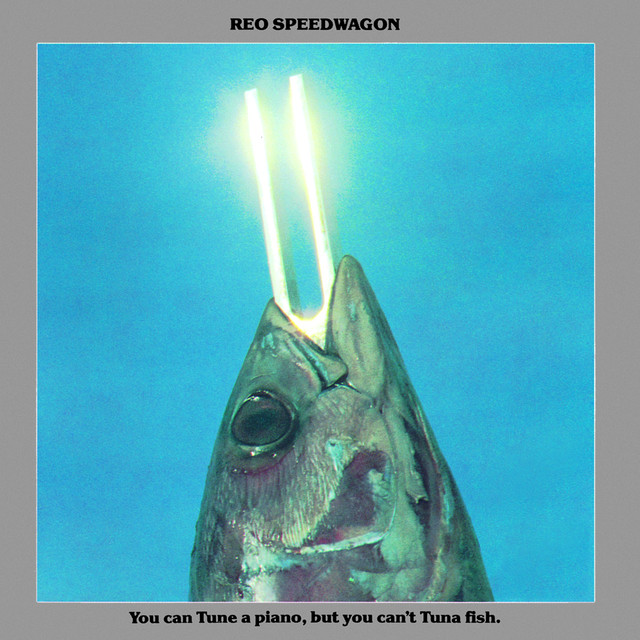
Released in July 1978 on You Can Tune a Piano, but You Can't Tuna Fish, the track was written by Kevin Cronin and became an early breakthrough for the band. It reached No. 56 on the Billboard Hot 100 and helped an album that sold more than 2 million copies become a major step forward for REO Speedwagon. Those facts are widely noted by Songfacts and reference summaries of the single’s chart history.
A breakup song built on clarity, not drama
At its core, the song follows a narrator who has given too much for too long. They describe loyalty, compromise, and emotional strain, then admit that none of it brought peace. When the singer says swallowed my pride
, the point is not just sacrifice. It is repeated self-erasure.
That is why the song feels mature. Instead of blaming the other person for everything, it shows a worn-down relationship where promises no longer match reality. The line would work it out
matters because it captures hope that kept the narrator stuck. They wanted to believe repair was still possible.
Interpretation: The emotional center is not heartbreak alone. It is the moment when denial ends.

Watch the official Time for Me to Fly
music video
The turning point hidden inside the chorus
The chorus gives the song its lasting power because it changes the story from suffering to action. When the narrator declares time for me to fly
, they are not talking about literal flight. They are naming a decision to leave, heal, and recover some sense of self.
That is why the hook still works decades later. The phrase is simple, but it carries mixed feelings. Freedom sounds necessary, yet goodbye still hurts. The song even admits that pain directly before turning back toward release.
Time for me to fly
I've got to set myself free
Those lines are the song’s emotional summary. The relationship may have once felt loving, but now escape is framed as survival.
Kevin Cronin’s real-life context matters
The meaning becomes even clearer with songwriter context. According to a Songfacts interview, Kevin Cronin said the song came from having to move on from his first love, even though he did not want to. He explained that he went to Colorado, found a guitar in an unusual tuning, and the music began to take shape around those feelings.
That background matters because it keeps the song grounded. This is not a fictional breakup sketch. It came from a real conflict between attachment and necessity. Cronin’s story also explains why the song feels both tender and firm. They are not trying to destroy the memory of love. They are trying to outgrow it.
Why the lyrics feel so direct
One reason the song connects so easily is its plain language. There is no heavy symbolism to decode. Instead, the verses move through a clean emotional timeline:
- They describe what they gave.
- They admit the love is not being returned.
- They reject more empty promises.
- They choose freedom.
Even the sharper phrases are easy to grasp. When the narrator says worn-out relation
, the image is almost physical. The relationship is not broken in one dramatic second. It has been rubbed down over time.
Another important phrase is make me cry
. That line contrasts with the partner making them laugh at other times, showing why leaving took so long. The bond is not simple. There were good moments, which makes the final choice more painful and believable.
How the music carries the message
Musically, “Time for Me to Fly” supports its meaning in smart ways. Contemporary reviews praised its melodic vocal and acoustic guitar feel, and that softer texture is important. Rather than sounding explosive, the arrangement sounds steady and human.
That choice fits the lyric. This is not a song about slamming the door. It is about quietly realizing the door must close.
Research on the single also notes that the song was initially resisted because of its simplicity, with Cronin later explaining that its three-chord structure and slower pace did not seem like an REO song at first. But that simplicity is exactly what makes it work. The steady groove and open chorus leave room for the feeling to land.
Interpretation: The production turns private pain into a communal sing-along, which is why it became such a strong live favorite.
Why the song lasted beyond 1978
The track kept finding new audiences. It was re-released in 1980, received MTV exposure through a live video after the channel launched in 1981, and surged again after appearing in Ozark in 2020, when it reached No. 34 on the Billboard Digital Songs chart. Dolly Parton also recorded a bluegrass version, showing how flexible the core message is.
That long life says something important about the song’s meaning. People return to it because the situation never gets old. Many know what it feels like to stay too long, hope too hard, and finally understand that freedom can be sad and necessary at the same time.
The final takeaway on its meaning
So, the meaning of Time for Me to Fly REO Speedwagon is about leaving a relationship that has run out of trust, warmth, and honesty. Its power comes from how clearly it shows the shift from emotional dependence to self-release.
The song does not celebrate pain. It accepts pain as the price of moving forward. That honesty is what makes it endure.
Disclaimer: This interpretation combines lyrical analysis with documented songwriter comments and historical context. As with any song, listeners may hear additional meanings of their own.







