
Why Rich Brian’s “The Sailor” Feels Like a Wake-Up Call
A restless opener with two minds
The meaning of The Sailor Rich Brian starts with conflict. On the surface, the song sounds like a flex-heavy rap performance: hotel rooms, sold-out records, enemies, pressure, and status. But under that layer, it is a song about a young artist who does not fully trust the world around them or even their own success.
"The Sailor" - Rich Brian
Don't they know I'm not for free?
La-la-la-la-la, di-la with me
Loading lyrics...
Unable to load lyrics
We're unable to display the lyrics at this time. Please try again later.
As the title track of The Sailor, released in 2019 as Rich Brian’s second studio album, it introduces the record’s bigger concerns: identity, movement, loneliness, and growth. In a brief Complex interview, Brian said the album was more personal and vulnerable. That context matters here, because this song keeps shifting from boasting to doubt, then from doubt to philosophy.
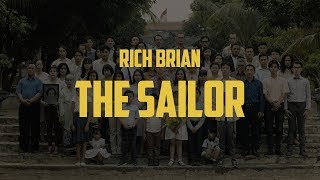
Watch the official The Sailor
music video
What the song is really about
At its core, this track is about success that does not bring peace. Brian presents a speaker who has money, attention, and momentum, but still feels surrounded by fake people, bad habits, and unanswered questions.
Early lines focus on status and suspicion. When they mention a best friend turning snake-like, the point is not just betrayal. It shows how fame changes every relationship. Even the line about verses costing money turns art into a business transaction. In that world, trust becomes hard to keep.
The hook-like opening phrase, not for free
, helps frame that mood. It suggests value, boundaries, and distance. They are no longer available to everyone, emotionally or professionally.
From bravado to burnout
The first half: armor on
The first half of “The Sailor” sounds hard and aggressive for a reason. The speaker keeps control by talking tough. They mention being hella spiritual
, avoiding fights, and refusing to socialize with other rappers. That is part confidence, part defense mechanism.
The song also shows how pleasure and destruction sit side by side. Casual sex, smoking, and money appear, but they do not feel glamorous for long. Instead, they blur into numbness. When Brian says he got used to destruction, he hints that chaos has become normal.
Interpretation: this is less celebration than self-exposure. The swagger is real, but it is also a shield.
The middle: pressure cracks through
The most revealing section may be the one about work pressure. Brian worries that if they do not release music, people will call them lazy. That is a sharp summary of internet-age fame: an artist can be visible and still feel replaceable.
That anxiety makes the song more human. It is no longer just about enemies outside; it is about a voice inside that never stops judging. Even while saying they “just write songs,” they also admit anger and the temptation to turn conflict into entertainment.
The turning point that changes everything
Then the song swerves. After all the heat and ego, Brian describes a plain morning: no food, a quick trip to the store, gum, iced tea, and street air. This ordinary scene slows the track down mentally, even if the beat stays steady.
That is when a young girl appears and asks a series of huge questions. Her words break the whole song open.
“Open your eyes”
“Where do we go when we die?”
This is the song’s one true pivot. The girl may be a literal stranger, but she also feels symbolic. She could represent innocence, conscience, or wisdom arriving from nowhere. Her questions challenge the speaker’s entire value system. Sold-out records and rivalries suddenly look small next to mortality, meaning, and time.
Why the child figure matters
The child is important because she speaks without cynicism. Earlier, the song lives in adult systems: fame, sex, money, image, competition. The girl cuts through all of that with basic but impossible questions.
Her line about the color of blue
without a sky is especially striking. It suggests that meaning depends on context. Things people think they understand may fall apart when their frame disappears. The same applies to fame: who is the artist without the industry around them? Who are they when the applause stops?
Interpretation: the song argues that success is not enough if a person has no deeper answer for why they are living the way they do.
How the production supports the theme
Produced by Bekon and The Donuts, “The Sailor” fits the album’s broader sound: cinematic, textured, and more ambitious than Brian’s earlier work. The beat does not simply hit hard; it leaves room for mood changes.
The drums and low-end give the opening sections force, matching the confrontational writing. But the track also has a floating, slightly dreamlike quality. That helps the final scene land. Instead of sounding like two different songs stitched together, “The Sailor” feels like one long thought spiraling from ego to emptiness to wonder.
Brian’s delivery matters too. They can sound clipped and sharp in the flexing passages, then looser and more conversational when the song turns inward. That shift in voice helps sell the meaning more than any single bar.
Rich Brian’s context makes the song hit harder
Brian was still very young when The Sailor arrived, and the album reached No. 62 on the Billboard 200. That matters because this is not a veteran artist looking back. It is a rising artist feeling the cost of fast success in real time.
Compared with Amen, this album was widely presented as more personal. “The Sailor” proves that right away. The song is not polished into a simple message. It is messy on purpose, because growing up in public is messy.
Final reading: a song about seeing past the flex
The best way to hear “The Sailor” is as a journey from surface power to deeper uncertainty. The first part says, “I have made it.” The last part asks whether “made it” means anything at all.
That is the real meaning of The Sailor Rich Brian: success can protect a person from poverty or obscurity, but it cannot protect them from existential questions. The song’s title suggests movement across open water, and that fits. They are not at home yet. They are still navigating.
Disclaimer: This interpretation is based on the lyrics, credited context, and public comments from Rich Brian. As with any song, listeners may hear different meanings.








