Mary Jane by Rick James
The meaning of Mary Jane Rick James is not especially hidden, but that is part of the song’s charm. On the surface, Rick James sings to a woman named Mary Jane. Under that surface, the song works as a playful, thinly veiled love letter to marijuana, delivered through sweet soul phrasing and a smooth funk groove.
"Mary Jane" - Rick James
Mary I love you, do it girl
Mary Jane, Mary Jane
Loading lyrics...
Unable to load lyrics
We're unable to display the lyrics at this time. Please try again later.
Released on September 9, 1978, as a single from James’s debut album Come Get It!, the track became one of his early signature songs, reaching No. 3 on the U.S. Hot Soul Singles chart and crossing over to No. 41 on the Billboard Hot 100. Rick James wrote it, and the credited producers were Rick James and Art Stewart. Source
A Love Song With a Wink
At its core, the song uses romantic language to describe emotional dependence, comfort, and pleasure. The narrator says he is in love with Mary Jane
, and the phrasing sounds like classic devotion. But the details make the coded meaning clear.
Mary Jane is presented as something that changes his mood, lifts him when he is down, and takes him somewhere blissful. When he says she makes me feel alright
and can take me to paradise
, the song shifts from ordinary romance into intoxication imagery. That is why many listeners hear it as both a seduction song and a marijuana anthem.
Interpretation: The cleverness lies in how little the song needs to explain. James lets the listener sit inside the double meaning rather than spelling it out.
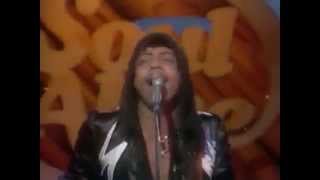
Watch the official Mary Jane
music video
How the Verses Build the Metaphor
The verses keep the personification going. Mary Jane acts like a lover, but not a possessive one. She arrives when needed, improves the speaker’s state of mind, and refuses to be controlled.
One key idea is that he is not the only one
who loves her. That line broadens the song from private desire to shared cultural habit. Mary Jane belongs to many people, not one partner.
Another telling image is that she likes to spread her love
. In a literal romance song, that line might suggest flirtation. Here, it hints that marijuana circulates socially and communally. The song treats that openness as part of her appeal, not a betrayal.
The Chorus Turns Craving Into Conversation
The chorus matters because it turns a coded object into a speaking partner. He keeps asking whether Mary Jane loves him back and warns her not to play games. That call-and-response structure gives the song theatrical energy.
Interpretation: This is more than a joke. By talking to marijuana as if it were a person, James dramatizes dependence and desire. The singer sounds confident, but he also sounds needy. He wants comfort, pleasure, and reassurance.
That emotional tension helps explain the song’s staying power. It is funny, but it also captures the way people describe habits they know very well: as companions, escapes, or reliable mood-shifters.
Why the Groove Softens the Message
One reason the song works so well is its sound. Instead of making the subject feel rebellious or harsh, James wraps it in warm, polished funk and R&B. The rhythm is relaxed, the melody is silky, and the vocals float between flirtation and celebration.
According to the song’s documented background, keyboardist Billy Nunn contributed keyboards, strings, background vocals, and arrangement work that helped shape the record’s texture. Source That matters because the arrangement gives the track a hazy, luxurious feel. The softness of the keyboards and the flowing groove mirror the song’s promised calm and pleasure.
In other words, the production does not just support the lyrics; it acts out their meaning. The music feels like the ease the singer is chasing.
Rick James Context Matters
As one of Rick James’s earliest solo hits, “Mary Jane” helped define his public image: bold, sensual, humorous, and unafraid of taboo material. It fit the late-1970s moment, when funk often mixed hedonism, fantasy, and street-level honesty.
The song’s reputation as a weed anthem was reinforced by his live performances. Reports note that James often performed it with giant joint props and even mimed or took real hits onstage. Source That performance context makes the intended meaning hard to miss.
Still, the track never feels preachy or political. It stays focused on pleasure, mood, and vibe. That is one reason it crossed over beyond novelty status and became a durable part of his catalog.
More Than a Gimmick
If the song were only a pun, it would not have lasted. What gives it depth is how fully it commits to its metaphor. Mary Jane is nurturing, exciting, unpredictable, and public all at once.
There is even a small contradiction at the center. He says he loves her just the same, yet he knows she cannot be tied down. That mix of loyalty and instability reflects the song’s emotional truth. It presents desire as enjoyable, but never fully under control.
The track’s afterlife also shows its influence. Elements from Rick James’s live performances of “Mary Jane” have been sampled by later artists, including Kanye West, Lana Del Rey, Travis Scott, Snoop Dogg, and Kendrick Lamar. Source That ongoing reuse suggests the song’s voice and attitude remained culturally vivid long after 1978.
The Lasting Meaning of “Mary Jane”
So, what is the meaning of Mary Jane Rick James? Factually, it is a funk-R&B song built around a romantic metaphor for marijuana. Artistically, it is about how pleasure gets personified, trusted, and chased.
Interpretation: The song turns a drug into a lover because that is the most emotionally efficient language available. Love songs already contain longing, ritual, comfort, and surrender. James borrows that structure and makes it groove.
That is why “Mary Jane” still lands: it is sly, smooth, and emotionally readable at the same time.
Disclaimer: This interpretation separates documented facts from critical reading. As with many songs, listeners may hear different meanings based on context and experience.







