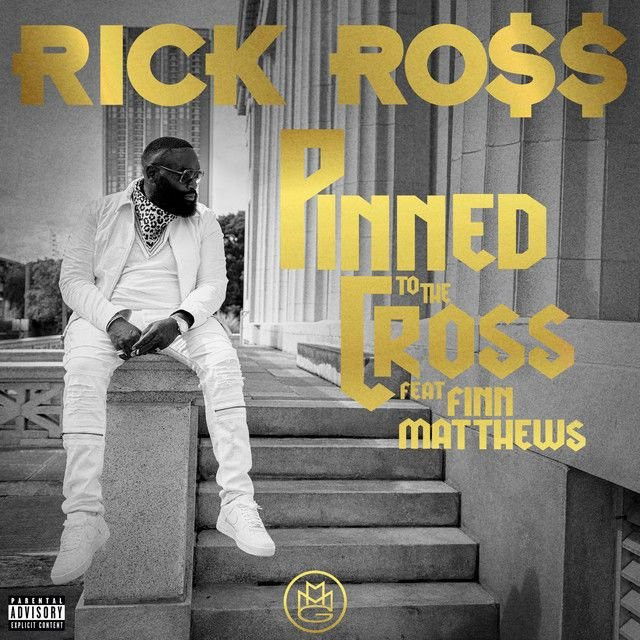
Pinned to the Cross by Rick Ross, Finn Matthews
The meaning of Pinned to the Cross Rick Ross, Finn Matthews starts with a blunt idea: success does not cancel suffering. The song is built around racial injustice, public anger, and the pressure of living inside a system that marks Black life as suspect before a person even speaks.
"Pinned to the Cross" - Rick Ross ft. Finn Matthews
We're now living in a state of public emergency
Middle class and poor people be targeted every day
Loading lyrics...
Unable to load lyrics
We're unable to display the lyrics at this time. Please try again later.
Released in 2020, the track arrived during a period of mass protest and national grief. According to EARMILK, Rick Ross said on Ebro in the Morning that he did not feel right staying silent and wanted to keep Breonna Taylor part of the public conversation. That context matters because the song is not just personal reflection. It is also a response to the political moment.
The core message sits between rage and endurance
At its heart, the song says Black pain is both historical and current. Ross frames that burden as something people are born into, not something they choose. When he says pinned to the cross
, he is not describing one bad day. He is describing a condition of pressure, sacrifice, judgment, and exposure.
That image gives the song its emotional weight. A cross suggests punishment in public view. Ross turns that into a metaphor for systemic racism, where people are watched, blamed, and harmed while being told to stay quiet.
Interpretation: The title also hints at how Black suffering is often made visible only after tragedy. The song pushes back by naming the burden before another headline does.
Watch the official Pinned to the Cross
music video
Ross makes the political deeply personal
One reason the song lands is that Ross keeps switching between the collective and the individual. He talks about feeling abandoned, threatened, and forced to survive. Then he places those feelings next to wealth, fame, and status.
That contrast matters. When he says another black man on the run
, he suggests that movement through the world can still feel defensive, even for someone rich and famous. Money may change the setting, but not the larger social danger.
Later, he presents himself as someone who escaped one trap only to face another. He has gone from hardship to luxury, yet the song insists that racism still shapes the frame around him. That is why the boasts in the verses do not sound like a victory lap. They sound like evidence that success alone cannot buy peace.
Finn Matthews gives the song its soul
Finn Matthews’s chorus changes the song’s temperature. Ross’s verses are tense, confrontational, and crowded with names, grievances, and declarations. Then Finn enters with a softer melody that focuses on survival and beauty made from pain.
The key phrase is made it beautiful
. Paraphrased, the chorus says: they see what people have been through, and they honor the strength it took to turn suffering into dignity. That does not erase the pain. It recognizes resilience without pretending the world was fair.
This is why the hook is so important to the meaning of Pinned to the Cross Rick Ross, Finn Matthews. It keeps the song from becoming only a protest record. It becomes a mourning song too, and even a survival song.
The sharpest lines target systems, not just enemies
Ross includes specific cultural references and insults, but the bigger target is structural injustice. Early in the track, he describes a world where poor and middle-class people are targeted and where hostility is constant. He links street-level danger to state-level power.
When he says let's empower the people
, the song moves from diagnosis to response. That line matters because it rejects passivity. Even when the verses sound cynical about public figures or institutions, the track still argues for action, solidarity, and awareness.
Interpretation: The song’s anger is not random. It is directed at systems that produce fear, division, and spectacle. Ross sounds harsh because the subject is harsh.
The production helps the lyrics feel heavy and exposed
Production is a big part of why the song works. EARMILK reported that the beat came from Fuse of 808 Mafia and AraabMuzik, and described it as built from astral synths, misty snares, and low rumble. That matches what listeners hear: a spacious, haunted instrumental that leaves room for every line to hit.
The beat does not rush. Instead, it hangs in the air, which gives Ross’s voice a sermon-like force. His delivery feels measured, not frantic. That choice supports the song’s message: this is not chaos for chaos’s sake. It is testimony.
Finn Matthews’s vocals then lift the record into a sad, almost spiritual register. The contrast between Ross’s gravity and Finn’s gentleness mirrors the song’s two halves: protest and healing.
Why the song still feels urgent
The song was released by Maybach Music Group and Epic during a national debate over policing and racial violence, as noted by EARMILK. That timing explains why the record feels immediate, but it does not limit its meaning.
Its deeper point is long-term. Ross argues that public injustice is not an exception. It is part of the structure. Even when he celebrates ambition or power, he returns to the idea that hate remains tremendous
and that people are still expected to carry it.
That is what makes the song memorable. It does not present triumph as clean. It presents survival as costly, visible, and unfinished.
What the song finally says
The meaning of Pinned to the Cross Rick Ross, Finn Matthews is that Black endurance should not be confused with acceptance. The song honors resilience, but it also refuses silence.
Ross turns success into a lens, not an escape. Finn Matthews turns grief into empathy. Together, they make a song about being wounded in public and still refusing to disappear.
Disclaimer: This interpretation is based on the lyrics, release context, and reported artist comments. Like most songs, it can support more than one reasonable reading.









