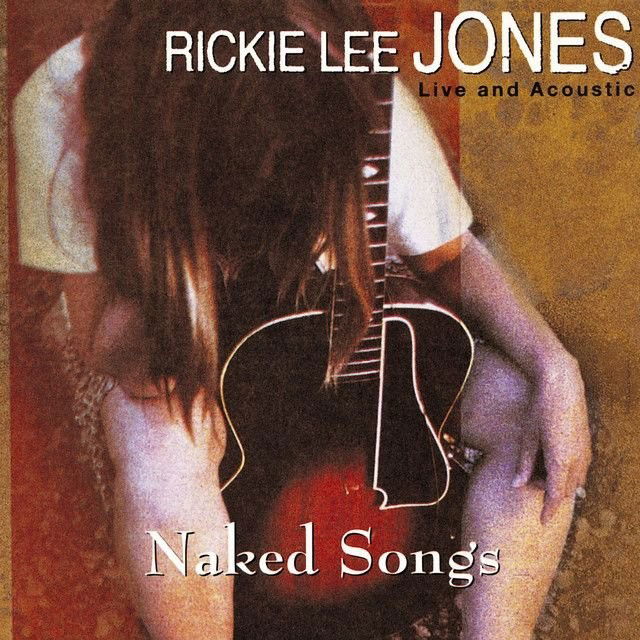
Why Rickie Lee Jones Made Coolsville a Myth
The meaning of Coolsville Rickie Lee Jones starts with a place that feels half real and half invented. In this song, “Coolsville” is not just a neighborhood or a social scene. It sounds more like a state of mind: the version of youth, romance, and confidence they once believed would last.
"Coolsville" - Rickie Lee Jones
Well that's the way we always thought it would be
In the Winston lips of September, how we met
Loading lyrics...
Unable to load lyrics
We're unable to display the lyrics at this time. Please try again later.
Rickie Lee Jones released “Coolsville” on her 1979 self-titled debut album, the same breakout record that helped earn her the Grammy for Best New Artist. Songfacts also notes that Time dubbed her “The Duchess of Coolsville,” which shows how tightly this song fit her early image. The track also reflects the beat-poetry streak that shaped her style, according to Songfacts.
A Lost Paradise Dressed as a Hangout
At its core, the song looks back at a time when a small group felt unbeatable. The opening names a few characters and quickly creates a private world, the kind of world only insiders fully understand. When the chorus says we was Coolsville
, it sounds proud at first, but the pride is already tinged with distance. They are not saying they are cool. They are saying they were.
That shift matters. The song is full of memory, but memory here is unstable. It turns old confidence into something fragile. “Coolsville” becomes the name for a past self, a past romance, and maybe even a vanished downtown culture.
Interpretation: Jones uses “Coolsville” as a myth of belonging. It is the place people create in hindsight when they want to believe there was once a perfect circle, a perfect love, or a perfect version of themselves.
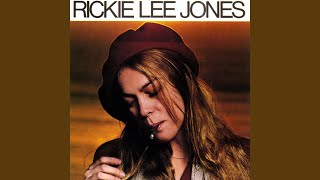
Watch the official Coolsville
music video
The Story Moves From Swagger to Disappointment
The verses trace that fall in quick, slippery images. Early on, the scene feels cinematic, stylish, and sure of itself. Then the language gets more tense and awkward. One of the key lines is it never fits
, which suggests that whatever they are trying to force into place—love, identity, adulthood, desire—does not settle cleanly.
That emotional mismatch deepens in the middle of the song. The narrator describes wanting more, giving a little, and still losing ground. Jones turns romance into a game of risk and bluff with the phrase trumped all my tricks
. The card-table image is important because it makes intimacy feel competitive. Instead of simple heartbreak, the song shows a struggle for power, charm, and control.
Three emotional beats in the lyric
- The group identity: a shared past where everyone seemed dazzling.
- The romantic contest: attraction becomes strategy and disappointment.
- The aftermath: the old place still exists in memory, but not in the same way.
That is why the song feels both dreamy and bruised. It remembers glamour, but it also remembers the cost of believing in it.
What “Coolsville” Probably Means
There are a few strong ways to read the song, and they can all be true at once.
A place of youth and scene-making
One reading is social. “Coolsville” stands for the bohemian circle Jones came out of: hip friends, downtown style, cigarettes, talk, music, and self-invention. Songfacts quotes Jones saying in a 2011 Mojo interview that the character in the song represents one side of her personality, “the coolest you think you are.” That makes the song partly about performance and persona, not just memory.
A relationship that could not hold
Another reading is romantic. The song’s emotional center is not the group but the mismatch between two people. The repeated invitation to return suggests longing, yet the lyric also knows return is never simple. By the time they hear the real thing
, reality has already replaced fantasy.
A self they cannot fully recover
The deepest reading may be personal. “Coolsville” can be heard as a name for a younger self: daring, stylish, and protected by attitude. The song asks whether maturity brings wisdom or just sameness. That is why the later lines feel resigned rather than dramatic.
How the Sound Carries the Meaning
The arrangement helps explain the song’s emotional pull. “Coolsville” sits in a rock framework, but it moves with a loose, jazzy feel that matches Jones’ phrasing. She sings as if speaking from inside a memory, gliding between confidence and shrugging hurt.
The groove never rushes to a climax. Instead, it hangs back, giving the song room to sound conversational and elusive at once. That matters because the lyric is not a straight story. It is a collage of recollection, attitude, and coded feeling.
Jones also performed the song on Saturday Night Live in April 1979, a detail noted by Songfacts. That performance helped cement the “Coolsville” persona in public: smoky, stylish, and knowingly theatrical.
Well the real thing come and the real thing go
Well the real thing is back in town
This brief passage captures the song’s central tension. Reality keeps arriving and leaving, but the dream of “Coolsville” stays emotionally active.
Why the Song Still Connects
Part of the meaning of Coolsville Rickie Lee Jones is that most listeners know this feeling, even if they never lived her exact world. Many people have a version of “Coolsville” in their past:
- a friend group that once felt magic
- a romance that seemed smarter than it was
- a phase of life that now looks brighter in memory
Jones gives that feeling a stylish name, but she does not romanticize it completely. The song knows coolness can be a mask. It knows scenes fade. It knows people outgrow roles they once played beautifully.
The Last Word on Coolsville
“Coolsville” is about the gap between the life they imagined and the life that arrived. It turns nostalgia into something more complex than simple longing. The song honors the thrill of being young, chosen, and “in,” while also admitting that such worlds are often built on pose, timing, and wishful thinking.
Interpretation disclaimer: Song meaning is never fully fixed. This reading is based on the lyric, performance, and available artist context, but listeners may hear “Coolsville” as social satire, romantic memory, or a portrait of self-invention.







