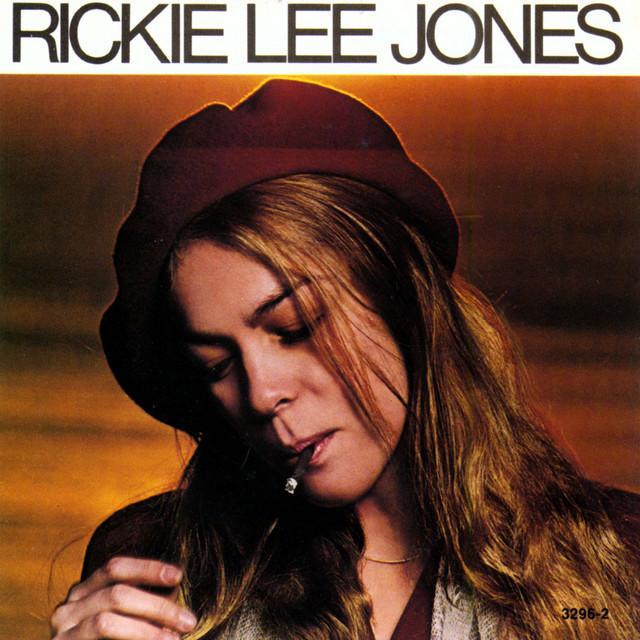
Danny's All-Star Joint by Rickie Lee Jones
A street-corner movie in three minutes
The meaning of Danny's All-Star Joint Rickie Lee Jones comes from its mix of charm, slang, and hard reality. On the surface, the song feels loose and funny, like a late-night story told by someone who knows every face in the room. Under that bounce, though, it is a portrait of people living close to poverty, drifting through a small urban community held together by ritual, attitude, and tiny acts of mercy.
"Danny's All-Star Joint" - Rickie Lee Jones
They got a juke box that goes doyt-doyt
The vice is nice, they stay in the back all day
Loading lyrics...
Unable to load lyrics
We're unable to display the lyrics at this time. Please try again later.
Rickie Lee Jones wrote the song and released it on her 1979 self-titled debut album, a record that helped establish her as one of the era's most distinctive new voices. That album was produced by Lenny Waronker and Russ Titelman, whose polished but flexible approach gave Jones room to sound jazzy, talkative, and unpredictable. Those basic facts shape the song's meaning because the production never irons out the street-life detail; it frames it.

Watch the official Danny's All-Star Joint
music video
The real subject is community on the margins
The setting is a place called Danny's, introduced with the playful phrase downstairs at Danny's all-star joint
. The room feels cheap, noisy, and alive. There is a jukebox, coffee, pinball, kitchen talk, and people coming in with little money and a lot of stories.
Interpretation: The song is not really about one event. It is about a whole ecosystem of outsiders. Jones sketches regulars, hustlers, and young strays in a way that feels affectionate but unsentimental. They are not romantic heroes. They are tired, broke, and still trying to perform some version of cool.
That is why the language matters so much. Slang like shoop coupe
and the comic sound of doyt-doyt
make the scene feel handmade and local. The words sound fun, but they also show how people invent style when they do not have much else.
Cecil holds the room together
One of the key figures is Cecil, who serves coffee and seems to know everybody. The narrator pushes money at him, but he refuses to take it. That small detail tells readers a lot. In this world, dignity and generosity matter, even when cash is scarce.
Later, Cecil also helps a kid who says he has no money and wants something simple to drink. Instead of turning him away, Cecil quietly gives him help. The gesture is not sentimentalized. It is just part of how this place works.
Interpretation: Cecil represents a rough kind of grace. He is not soft, and the song does not present him as a saint. But he keeps the room human. In a setting filled with “under-riders” and dead-beat energy, he becomes the person who makes survival feel communal instead of lonely.
A snapshot of people barely getting by
The middle of the song broadens from one diner scene into a wider social map. The “under-riders on the boulevard” suggest people existing beneath mainstream success. They move through the city with little power, looking worn down and almost ghostly.
Jones sharpens that feeling with a striking line about being a quarter past left alive
. It sounds witty at first, but it carries real pain. The phrase suggests someone who feels used up, off schedule, and only partly present in their own life.
I ain't got no dough, Joe
I just want some o.j.
Those short lines sum up the song's emotional method. The speaker sounds funny and casual, but the need is real. Hunger, lack, and dependence sit right beneath the banter.
Why the sound matters as much as the words
Musically, the track moves with a light, swinging feel that draws from pop, jazz, and a kind of beat-poetry phrasing. Jones often sings as if they are half-speaking, half-dancing around the beat. That delivery makes the song feel like overheard nightlife rather than formal storytelling.
The arrangement matters because it avoids melodrama. Instead of dark, heavy music announcing tragedy, the instruments keep things nimble. That contrast is central to the song's meaning. The room sparkles, but the people in it are struggling.
Interpretation: This mismatch between sound and subject is deliberate. It mirrors how people in hard situations often survive through humor, style, and performance. They keep talking, flirting, and joking because stopping would mean facing the full weight of their lives.
Artist context helps explain the style
Jones's debut was widely praised for its originality and helped earn major award recognition at the end of the 1970s. Critics often noted how her writing blended character study, jazz rhythm, and Los Angeles street imagery. This song is one of the clearest examples of that style because it feels less like a standard pop single than a mini film made of voice, groove, and detail.
That context matters for the meaning of Danny's All-Star Joint Rickie Lee Jones because the song works through observation, not thesis. Jones does not stop to explain the social message. They let the setting reveal it: a place where people are broke, hungry, funny, proud, and not fully defeated.
The deepest meaning: tenderness without illusion
In the end, the song's power comes from how it balances toughness and tenderness. It sees people who look worn out, maybe even lost, but it never strips them of personality. Danny's is messy, comic, and sad all at once.
Interpretation: The song suggests that marginal places can still hold beauty. Not polished beauty, but lived-in beauty: free coffee, shared slang, one more quarter in the machine, one more night spent among people who understand the rules.
That is why the track still feels fresh. It captures a whole social world in flashes. The song is less a message than a mood-rich witness statement about survival.
Disclaimer: This interpretation is based on the lyrics, recording context, and widely discussed themes in Rickie Lee Jones's work. As with any song, listeners may hear different meanings in its images and characters.








