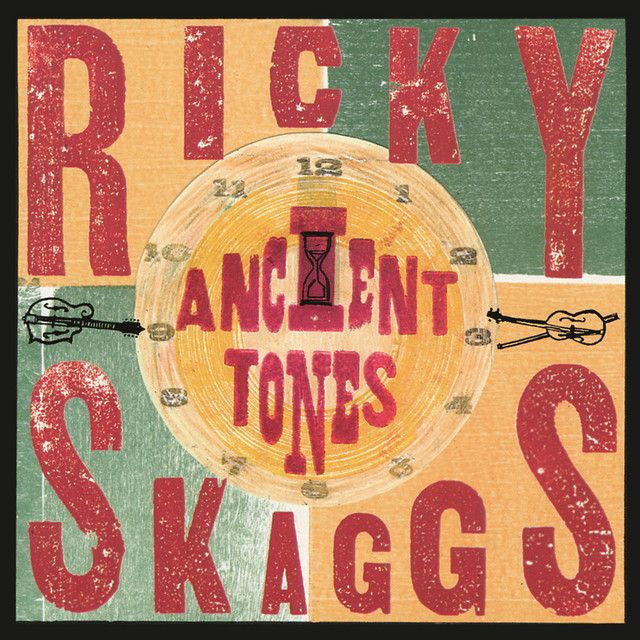
Pig In A Pen by Ricky Skaggs, Kentucky Thunder
A playful old song with more going on
The meaning of Pig In A Pen Ricky Skaggs, Kentucky Thunder starts with a joke, a flirt, and a slice of rural life. On the surface, the song sounds simple: a singer talks about a pig, farm work, food, weather, travel, and a girl he likes. But that loose string of images is the point. This is an old-style bluegrass and mountain song built from everyday details that show how love, work, and motion all mix together.
"Pig In A Pen" - Ricky Skaggs, Kentucky Thunder
Corn to feed 'Em on
All I need's a pretty little girl
Loading lyrics...
Unable to load lyrics
We're unable to display the lyrics at this time. Please try again later.
Rather than telling one tight story, the lyric moves like conversation on a porch or verses traded at a jam. Each scene adds to a picture of a young man whose world is practical and romantic at the same time. He has chores to think about, but he is also thinking about who will miss him when he leaves.

Watch the official Pig In A Pen
music video
What the song is really about
At its heart, the song is about courtship in a working rural world. The narrator does not speak in grand poetry. Instead, they describe ordinary things: feeding animals, planting, baking, dressing for rain, and getting ready to travel. Those details make affection feel lived-in, not idealized.
A key early image is pig at home in a pen
. Before or after romance, there is responsibility. The singer has something to care for, and that becomes a funny way to introduce what he lacks: a partner to help hold life together while he is away.
Interpretation: The song suggests that love is not separate from daily survival. In this world, attraction includes usefulness, timing, and shared labor. That does not make the feeling cold. It makes it grounded.
The verses build a portrait, not a plot
The lyric jumps between scenes, but the emotional pattern stays clear. First comes the home place and its needs. Then come visions of work and sweetness, including the plan to raise a barrel of Sorghum
. That image matters because sorghum is both literal and symbolic. Literally, it is a crop turned into syrup. Symbolically, it stands for making life sweeter through labor.
The song then turns toward the girl. He recognizes her by sight, especially the gingham gown
, a small detail that gives the verse texture and place. This is not abstract desire. It is local, visual, and social.
Next come changing weather and movement. A dark cloud's arisin'
signals rain, but it also adds motion and uncertainty. Soon after, the singer imagines food being made and a trip beginning.
Bake them biscuits, lady
We're Alabamy bound
Those lines compress two big ideas: home comfort and restless travel. The song loves both.
Love that swings between charm and trouble
One of the smartest parts of the lyric is how it shows a relationship through reaction. When the girl sees him coming, she praises him. When she sees him leaving, she calls him the worst. That flip is funny, but it also reveals the emotional cost of a wandering young man.
This is where the song gains depth. He is attractive because he arrives with energy, attention, and romance. But he also leaves. The contrast between “sweetest” and “meanest” turns the song into a sketch of unreliable charm.
Interpretation: The narrator may not be cruel, but they are hard to hold onto. The girl’s changing view suggests that desire and frustration are linked. In a few short verses, the song captures how someone can be lovable and disappointing at once.
Why Ricky Skaggs and Kentucky Thunder fit it so well
Ricky Skaggs has long been one of bluegrass music’s strongest traditionalists and modern ambassadors. Their work with Kentucky Thunder is known for sharp ensemble playing and deep respect for older material. That matters here because “Pig In A Pen” is not just a lyric on paper. Its meaning depends on speed, bounce, and the communal feel of bluegrass performance.
The song is associated with Carter and Ralph Stanley as writers, linking it to an older Appalachian tradition shaped by family music, dance rhythm, and plainspoken storytelling. The Stanley Brothers helped define that tradition, and Skaggs’s version carries it forward with polish rather than museum stiffness.
How the sound carries the meaning
Bluegrass instrumentation gives the lyric its emotional shape. Fast picking turns the domestic images into something lively instead of heavy. Mandolin chop and banjo drive keep the song moving, which fits a narrator who is always about to go somewhere. Fiddle and harmony vocals add warmth, so even the teasing lines feel social rather than bitter.
That matters for the meaning of Pig In A Pen Ricky Skaggs, Kentucky Thunder. If these same words were sung slowly, they might sound lonely or harsh. In a brisk bluegrass setting, they sound witty, flirtatious, and full of motion.
The performance style also reflects the lyric’s structure. Because the verses feel like linked snapshots, a tight band arrangement helps hold them together. The result is a song that feels effortless, even though the musicianship is exact.
Themes hiding in plain sight
Several themes run through the song:
- Work and survival: animals, crops, weather, and food shape daily life.
- Courtship: affection is shown through noticing, teasing, and parting.
- Restlessness: the singer is never fully settled.
- Sweetness and strain: love feels good, but it also brings hurt.
The recurring domestic images are especially important. Biscuits, bonnets, and sorghum are not decorative details. They root the song in a culture where love happens inside chores, travel plans, and seasonal change.
Final takeaway
The meaning of Pig In A Pen Ricky Skaggs, Kentucky Thunder lies in its balance of humor and truth. It sounds light, but it quietly shows how romance works in a world shaped by labor, distance, and habit. The singer is charming, needed, and hard to trust all at once.
That mix is why the song lasts. It turns simple rural images into a lively portrait of affection on the move.
Disclaimer: This interpretation is based on the lyrics, bluegrass tradition, and known artist context. As with many folk-rooted songs, listeners may hear different meanings in the same lines.








