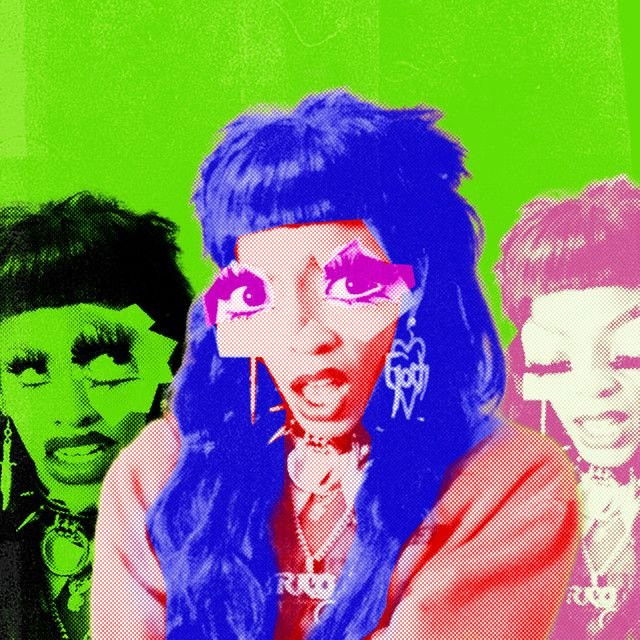
Why 'Popstar' Shows Rico Nasty's Fame Trap
The meaning of Popstar Rico Nasty is bigger than a brag track. On the surface, the song sounds glossy, catchy, and confident. Under that shine, though, it sketches a life where attention is constant, trust is thin, and success creates as many problems as it solves.
"Popstar" - Rico Nasty
Your nigga text me every time I drop
Popstar, Rockstar, Popstar, Rockstar
Loading lyrics...
Unable to load lyrics
We're unable to display the lyrics at this time. Please try again later.
Rico Nasty has long built music around contradiction. According to public bios and career summaries, they rose from Maryland’s rap scene into a style that blends trap, punk, and pop energy, often described through their self-defined “sugar trap” approach and their mix of melodic hooks with aggressive delivery. That wider context matters here because “Popstar” feels like a clean example of that split identity: sweet enough to sing along with, sharp enough to push people away.
Beneath the Glitter, the Song Is About Control
At its core, “Popstar” is about what happens when someone becomes highly visible and decides to protect their space. The hook repeats the identity labels Popstar, Rockstar
, which makes fame sound almost like a costume and a job title at the same time.
Interpretation: Rico frames celebrity as a public role they can wear, but not always enjoy. The song keeps returning to the image because that role shapes everything else: romance, shopping, travel, envy, and burnout.
They brag, yes, but the bragging has a purpose. When the song mentions luxury style, including Balenciaga
, it is not just about expensive taste. It signals status, self-invention, and the way fame gets read through image before anything deeper can be known.
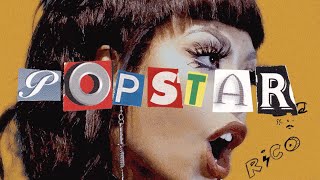
Watch the official Popstar
music video
The Verses Turn Fame Into Exhaustion
The most revealing lines are not the flashy ones. Rico also describes people draining their energy, watching them too closely, and assuming their smile means life is easy. That detail changes the mood of the whole song.
Instead of saying fame is fun, they suggest fame is work. When they say people think things are sweet, the idea is that outsiders misread confidence as comfort. The song pushes back against that misunderstanding.
A key moment is the complaint about being on the road and losing sleep. That turns the track from celebration into testimony. Touring, attention, and demand have made the “popstar” life tiring, not dreamy.
A Quick Map of the Song’s Emotional Movement
- The opening establishes power and desirability.
- The middle reveals annoyance, spending habits, and emotional overload.
- The later verse turns defensive, almost daring others to try living this life.
- The relationship lines then show how fame disrupts closeness.
That structure matters because the song keeps widening its point. It starts with image, then moves to labor, then to loneliness.
Love Becomes Another Casualty
One of the sharpest ideas in “Popstar” is that romance becomes unstable around celebrity. Rico suggests admirers want proximity to the image, not necessarily the real person. The line about someone wanting to roll with a star figure shows attraction to access and status, not just affection.
The most emotionally direct section comes near the end, when Rico warns against attachment to a star persona.
Never fall in love
with a Popstar
This is the article’s clearest emotional pivot. The idea is not simply “dating is hard.” It is that fame can train a person to detach. Rico makes that plain with the striking phrase addicted to goodbyes
, which suggests self-protection has become a habit.
Interpretation: They are not only rejecting others; they may also be admitting that success has made intimacy feel risky or even impossible.
Why the Hook Sounds So Simple
The chorus is repetitive on purpose. By circling back to Popstar, Rockstar
, the song mimics branding. It sounds like a chant, a headline, and a mask.
That repetition also reflects how celebrities get flattened into a type. Rico becomes an image that others consume, text, follow, and project onto. In that light, the hook is both triumphant and unsettling.
This double effect fits Rico Nasty’s broader artistry. Their catalog often jumps between cartoonish confidence and real vulnerability, and major profiles of their work have noted the collision of gruff delivery and melodic, more playful textures. “Popstar” sits right in that lane.
How the Sound Carries the Message
Production-wise, the track’s bounce helps hide its stress points. The beat feels light and sticky, making the record easy to replay. But Rico’s vocal tone keeps the song from becoming pure bubblegum.
They deliver the hook like a slogan, then slip frustration into the verses. That contrast is crucial. The bright rhythm sells the dream; the voice exposes the cost.
This is also where Rico’s pop-punk influence matters. Public interviews and career coverage have linked them to artists like Avril Lavigne and to a general rock-star attitude. So when “Popstar” pairs pop and rock identities, it is not random wording. It reflects their artistic brand: catchy, chaotic, stylish, and a little confrontational.
A Strong Alternate Reading
There is another valid way to hear the song. Instead of seeing it mainly as a critique of fame, some listeners may hear it as a statement of mastery. In that reading, Rico is not trapped by celebrity; they are learning how to use it.
The spending, the fashion, and the emotional distance then become tools, not symptoms. They are choosing to stay hard to reach because access has value.
Both readings can coexist. That tension is what gives the song bite.
The Real Takeaway From "Popstar"
The meaning of Popstar Rico Nasty lies in that clash between glitter and guard rails. It is a song about being admired, overexposed, envied, and emotionally unavailable all at once.
Rico Nasty turns a catchy fame anthem into something more complicated: a portrait of success that looks exciting from far away and draining up close.
Disclaimer: This interpretation is based on the released lyrics, performance, and publicly available artist context. As with any song, meaning can vary from listener to listener.









