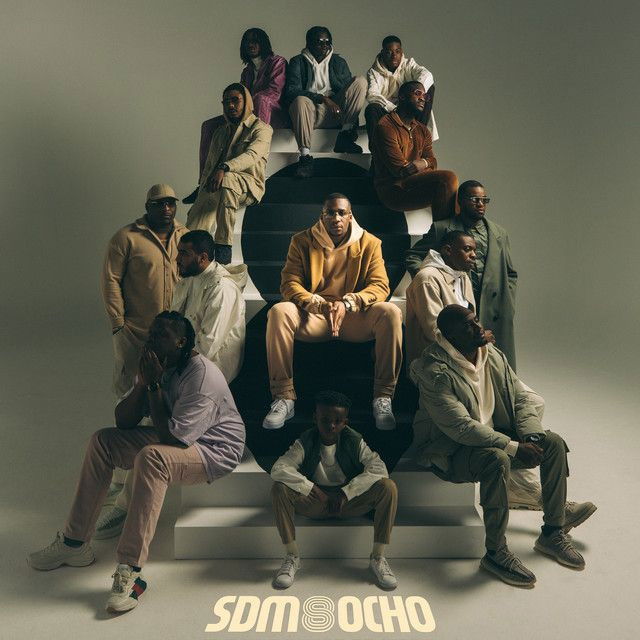
Why SDM’s “Rihanna” Sounds Like a Warning
The meaning of Rihanna SDM becomes clear fast: this is not a love song or a celebrity tribute. It is a rap performance about control, fear, and status. SDM uses the title as bait, then flips it into a darker joke. What sounds at first like a pop-culture nod becomes a statement about violence, territory, and reputation.
"Rihanna" - SDM
Maintenant, chez eux, c'est chez nous
Ocho, ouais, ouais, ouais (8 seconds, eh)
Loading lyrics...
Unable to load lyrics
We're unable to display the lyrics at this time. Please try again later.
SDM is a French rapper known for hard-edged delivery and street-centered writing, especially through the Booska-P and major-platform coverage that tracks his rise in French rap. The songwriting credits provided here list Beni Mosabu and Leonard Manzambi, which fits SDM’s legal name and a co-writer credit. That matters because the song feels carefully built around image: every bar pushes the same idea of dominance.
The Real Point Behind the Title
The smartest move in the song is the title itself. SDM builds the hook around a rhythmic sound effect, then says it is pas Rihanna
. In plain terms, they are rejecting a glamorous pop association and replacing it with the sound of a gun.
That is the core of the meaning of Rihanna SDM. The song turns a famous global name into contrast. Rihanna represents pop polish, melody, and mainstream recognition. SDM uses that reference to say their world runs on other rules.
Rom-pom-pom-pom
c'est pas Rihanna
This short refrain matters because it is both catchy and threatening. It works almost like a trapdoor: the listener expects one thing, then gets another.

Watch the official Rihanna
music video
Territory, Presence, and Group Identity
A big part of the track is about entering spaces and taking them over. Early on, SDM says chez eux, c'est chez nous
, which frames the song as an announcement of expansion. They are not just surviving in a place; they are claiming it.
That line also shows the voice of the song. Even when SDM sounds like one person, the lyrics often speak as a crew. The repeated “we” energy makes the threats feel organized, not personal. This is less diary entry, more collective warning.
Another line compares the artist’s positioning to Xavi, the soccer midfielder, in dans l'axe comme Xavi
. The image suggests precision, field vision, and control of the center. Even the sports reference supports the same theme: they know where they are, and they dictate the play.
Violence as Image and Language
Much of the song’s power comes from how directly it links status to danger. Expensive cars, imported fashion, and calm self-confidence sit next to threats of retaliation. That pairing is central to modern street rap, where luxury is not shown as peace but as proof of having made it through risk.
Interpretation: SDM is not describing wealth as comfort. They are describing wealth as armor. The German car, Milan clothes, and drug-trade references are all trophies in a world where respect must be defended.
The lyric about arriving and making people stay home, with the COVID comparison, uses dark humor to describe fear spreading through a neighborhood. That image is less about literal disease than about presence: when they appear, others retreat.
There is also a harsh lesson in the line about kindness making people treat someone like a joke. That helps explain the song’s emotional logic. It sees aggression not as excess, but as necessary posture.
How the Chorus Holds the Song Together
The hook repeats almost unchanged, and that repetition is important. It keeps circling through three ideas:
- visible success
- quick escalation
- a final warning sound
That structure gives the song its force. First comes the display: the car and clothes. Then comes the condition: if someone moves wrong, consequences follow. Finally comes the sound effect that turns swagger into threat.
In other words, the chorus is the whole worldview in miniature.
Sound, Production, and Delivery
Even without detailed official production credits in the provided context, the record clearly fits the polished, heavy low-end style common in contemporary French trap. The beat likely matters as much as the words. The engine-like momentum under the hook mirrors the references to the car, while the clipped drum pattern leaves room for SDM’s voice to land hard.
Their delivery is crucial to the meaning of Rihanna SDM. They rap with control rather than panic. That calm tone makes the threats feel more serious. They do not sound emotional or messy; they sound certain.
Interpretation: That composure is part of the message. In this song, real power is shown not by yelling, but by staying cool while describing chaos.
Rihanna as Pop Symbol, Not Subject
The title also works because Rihanna is such a recognizable name in global pop. Her 2011 hit “S&M,” released as a single from Loud, became a No. 1 hit in the United States and was widely discussed for its provocative branding and video imagery, according to major chart and release summaries such as Billboard and reference databases. SDM seems to borrow that sonic memory, then weaponize it.
That does not mean the song is about Rihanna the person. It means her name functions as cultural shorthand. The reference lets SDM create instant contrast between pop spectacle and street menace.
Final Take on the Meaning
The meaning of Rihanna SDM is about making fear part of identity. The song presents a world where status, movement, and violence all blend together. Its title is clever because it promises celebrity and delivers intimidation.
At its strongest, “Rihanna” shows how one pop reference can be turned into a street-rap thesis. The result is blunt, catchy, and built to sound like a takeover.
Disclaimer: This interpretation is based on the lyrics provided, artist context, and common rap conventions. As with any song, some meanings remain open to listener interpretation.







