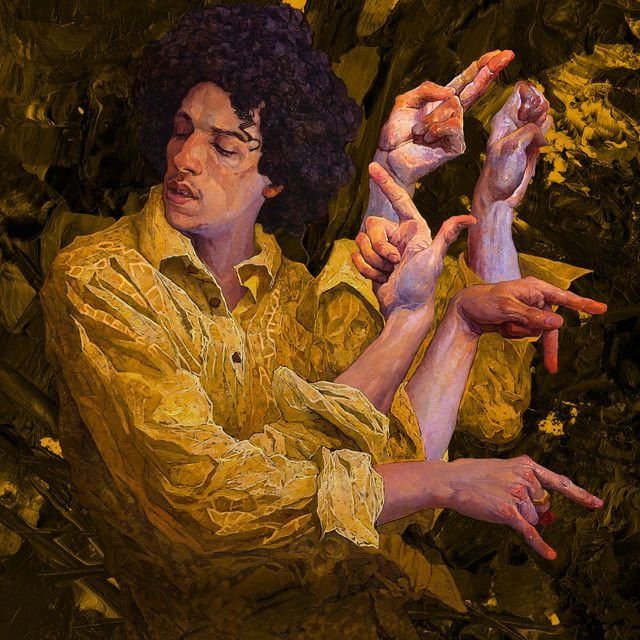
ARE YOU A STAR? by Rilès
A seduction story with a warning inside
The meaning of ARE YOU A STAR? Rilès starts with a simple idea: desire can feel magical right before it turns destructive. The song sounds like a hookup anthem on the surface, but its story keeps getting darker. What first looks like passion becomes a trap, and the person at the center of that fantasy starts to resemble the narrator's own worst impulses.
"ARE YOU A STAR?" - Rilès
This bitch is my reflection
I swear I'm shocked I can't even find my words
Loading lyrics...
Unable to load lyrics
We're unable to display the lyrics at this time. Please try again later.
That is why the repeated line about reflection matters so much. When they call the other person my reflection
, the song suggests that this encounter is not only about another body. It is also about seeing lust, ego, weakness, and self-deception staring back.

Watch the official ARE YOU A STAR?
music video
Rilès turns temptation into a mirror
Rilès is a Franco-Algerian artist from Rouen who is known for writing, producing, and often mastering his own work, while also directing and editing videos independently, according to public biographical summaries. That kind of control matters here because the song feels tightly designed, not accidental. The performance is raw, but the structure is careful.
Released in 2019, the song belongs to the period around Welcome to the Jungle, when Rilès was already known for making English-language music that mixed rap, pop, and dark, theatrical storytelling. Their self-built style helps explain why this track feels so cinematic. Even when the lyrics are blunt, the bigger goal seems psychological.
The plot moves from craving to horror
First beat: hunger, boredom, and weak judgment
The opening verse shows someone alone, restless, and vulnerable. They are not just physically hungry; they are emotionally open to bad choices. They try to reason with themselves, but their habits win. Scrolling, smoking, and giving in replace self-control.
A key phrase is bye my ethic
. In plain terms, they know they are crossing a line and do it anyway. That confession sets up the rest of the song: this is not romance built on trust, but a surrender to appetite.
Second beat: pleasure feels unreal
When the chorus arrives, the language gets dreamy. The encounter seems perfect, almost too perfect. The repeated idea that this is it
sounds less like truth and more like someone convincing themselves they have found what they need.
What I want's what you want
This bitch is my reflection
Those two short lines carry the song's core tension. The fantasy works because the other person appears to desire exactly the same thing. But that neat symmetry is suspicious. Interpretation: the narrator may be projecting their own needs onto the other person instead of seeing them clearly.
Third beat: the fantasy becomes demonic
Midway through, the song leans into horror imagery. A voice arrives at the door like a devil's invitation, and the sexual energy becomes more violent and unstable. The details are vivid, but the point is not shock for its own sake. The point is escalation.
When the song mentions Sheitan
, it brings in the idea of evil as temptation. Whether listeners take that literally or symbolically, the effect is the same: desire now feels possessed. It is no longer a private thrill. It has become a force pulling them somewhere dangerous.
Final beat: the trap is revealed
The last section flips the mood. The partner's eyes seem empty, a knife appears, and the fantasy turns into fear. The line You're never gonna leave
lands like the real meaning of the whole story. What looked like freedom was captivity.
Interpretation: this ending can be read two ways at once. It may describe a literal nightmare encounter, or it may dramatize addiction itself. In that reading, the seductive figure is the voice of craving saying: once they return, it will keep them.
What the chorus really means
The chorus is catchy, but it is also misleading by design. It repeats mutual desire as if the problem is solved. Both want the same thing; both need the same thing; both are perfectly matched. But the verses keep proving that this logic is false.
That is why my reflection
is the song's most important phrase. The partner may be less a full character than a mirror for the narrator's inner life. Lust, greed, numbness, and pain all come back at them in another form. They are chasing someone, but really they are chasing themselves.
Sound and production help sell the meaning
The production supports that emotional slide from thrill to dread. The beat has a hypnotic, late-night pull, which fits the story's cycle of temptation and return. Repetition in the hook creates the feeling of being stuck in a loop.
Rilès often builds songs with sharp vocal contrasts, moving between melodic phrases and more urgent rap delivery. Here, that approach mirrors the split inside the narrator. Soft, dreamy parts suggest surrender, while clipped, tense passages sound like panic and compulsion.
Because Rilès is known for heavy creative control over their music and visuals, the track's mood feels intentional. The polished surface makes the chaos underneath hit harder. The song wants listeners to feel seduced before they realize they are hearing a warning.
A bigger theme: fame, ego, and being seen
The title also opens another reading. Interpretation: “star” may not just mean a glamorous lover. It can point to ego, validation, and the need to be desired. One line suggests the other person feels like the narrator is special, almost famous. That matters because attention itself can be intoxicating.
In that sense, the song is about more than sex. It is about the hunger to feel chosen, powerful, and alive, even for one night. But the song argues that this kind of validation burns out fast. The high is brief; the aftermath stays.
Why the song still hits
Part of what makes the meaning of ARE YOU A STAR? Rilès so memorable is that it refuses to stay one thing. It is erotic, ugly, funny, scary, and self-aware all at once. It knows temptation can feel thrilling. It also knows people often recognize a bad idea and still move toward it.
That honesty gives the song its force. Rather than celebrating excess, it stages the way excess sells itself. The fantasy says heaven. The ending says nightmare.
Final takeaway
At its core, the song is about desire that looks perfect because it reflects the self back in flattering form. Then it shows the cost of mistaking appetite for connection.
This article offers an interpretation based on the lyrics, performance, and known artist context. Songs can support more than one meaning, and listeners may hear different layers in Rilès's work.








