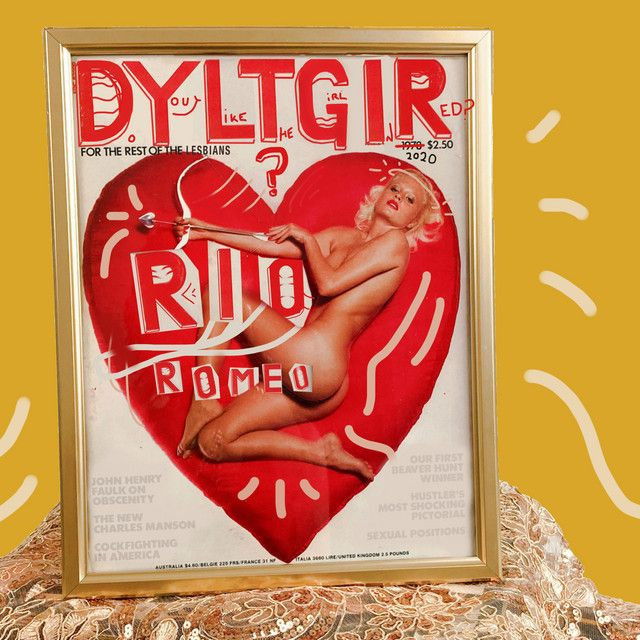
Why "Dyltgir?" Turns Panic Into a Punchline
The meaning of Dyltgir? Rio Romeo comes down to one big feeling: the terror of asking someone out when the stakes feel personal, queer, and impossible to read. The song tells a full story, but it never loses the rush of a single awkward moment. It is funny, messy, and a little painful.
"Dyltgir?" - Rio Romeo
Twa
Triet
Loading lyrics...
Unable to load lyrics
We're unable to display the lyrics at this time. Please try again later.
Written by Rio Baxter, the song works because it treats embarrassment as both a joke and a real emotional risk. Under the punchlines, there is a simple fear: what if honesty makes them look foolish?
The Real Heart of the Song
At its core, this is a song about trying to ask a coded question without fully saying the thing they mean. The narrator is clearly attracted to someone, but instead of making a smooth move, they circle around it, panic, and blurt out something half-hidden.
That is why the reference to girl in red
matters so much. In popular queer culture, that phrase can signal lesbian or sapphic identity without saying it directly. So when the narrator asks it, they are not making random small talk. They are trying to figure out whether this crush is even possible.
Interpretation: the song is less about confidence than about queer uncertainty. It captures the moment when desire has to pass through code, nerves, and fear of misreading another person.

Watch the official Dyltgir?
music video
A Story Told Like a Spiral
One reason the song feels so vivid is that it unfolds almost like a short comedy sketch.
The main beats of the plot
- The narrator is out late and enjoying a new kind of freedom.
- They hear someone speak and get emotionally shaken.
- They try to ask a flirtatious but coded question.
- The interaction goes badly, or so they think.
- The next day brings a message and a twist: they had already met.
That middle section is the song's engine. The repeated panic of What do I do
shows someone stuck between attraction and action. They are not just shy. They are overwhelmed by the pressure of choosing the right words.
Then comes the comic crash. After trying to be direct, the narrator is met with laughter and assumes the worst. But the later DM changes the meaning of the whole scene. What looked like rejection turns out to be confusion.
Why the Twist Matters
The song's funniest moment is also the one that reveals the most. The narrator learns they already went on a date with this person and even shared a more intimate history. Their shocked reaction makes the scene absurd, but it also exposes how unreliable memory can be when attraction and anxiety collide.
The lyric about having the memory of a goldfish
turns self-criticism into humor. Instead of acting cool, the narrator admits they messed up. That honesty is a huge part of the song's charm.
Interpretation: the twist does more than add comedy. It suggests that modern dating can feel so fragmented and fast that even meaningful encounters become blurry. The song laughs at that, but it also sounds a little sad about it.
Freedom, Nerves, and Queer Code
Early in the song, the narrator contrasts the present with a past relationship that sounded controlling. They mention someone who wanted them home early, while the current night feels open and exciting. That small detail matters.
It frames the crush as part of a wider emotional shift. They are not only flirting. They are stepping into a freer version of themselves, one where they can stay out, take risks, and ask vulnerable questions.
When they finally say I really like you
, the moment lands because the song has built up so much fear around it. Their words are plain, but the feeling behind them is huge.
How the Sound Supports the Meaning
Even without full production credits widely documented, the songwriting itself points to a performance style built around theatrical timing. The mention of a baby grand
in the room is not just scene-setting. It highlights the song's musical personality: dramatic, cabaret-like, and slightly exaggerated.
That fits Rio Romeo's broader style, which often blends intimacy with wit and expressive vocal delivery on their official platforms like YouTube and streaming profiles. In this song, the rhythm of the lines feels almost conversational, as if the narrator is replaying the night in real time.
The repeated exclamations and sudden turns in tone help the song sound like a mind racing faster than the body can keep up. That nervous energy is the point. The music does not smooth out the awkwardness; it stages it.
Comedy With a Slightly Sharp Edge
Near the end, the narrator tries to explain why they did not recognize the other person. That explanation is framed as a joke, and the song even calls attention to how questionable it sounds.
This is important because it keeps the narrator from seeming fully innocent or fully in control. They are not just the lovable awkward one. They are also capable of saying something clumsy and insensitive.
Interpretation: this self-aware ending gives the song more depth. Instead of wrapping up in a neat romantic way, it leaves listeners with a familiar truth: attraction can make people funny, but it can also make them thoughtless.
Why the Song Connects
The meaning of Dyltgir? Rio Romeo stands out because it captures a very specific kind of vulnerability: the fear of asking a queer question in public, with no guarantee of safety, success, or mutual understanding. It turns that fear into a joke without dismissing it.
That balance is why the song feels memorable. It is a flirtation song, a panic song, and a self-own all at once. They tell the story with speed and humor, but underneath it is a real desire to be known.
Final Take
For most listeners, the song is about more than one awkward night. It is about how people test the waters of desire when they cannot quite say everything directly. The comedy keeps it light, but the emotional truth gives it weight.
As with any lyric analysis, this reading is an interpretation, not a confirmed statement of Rio Romeo's intent.








