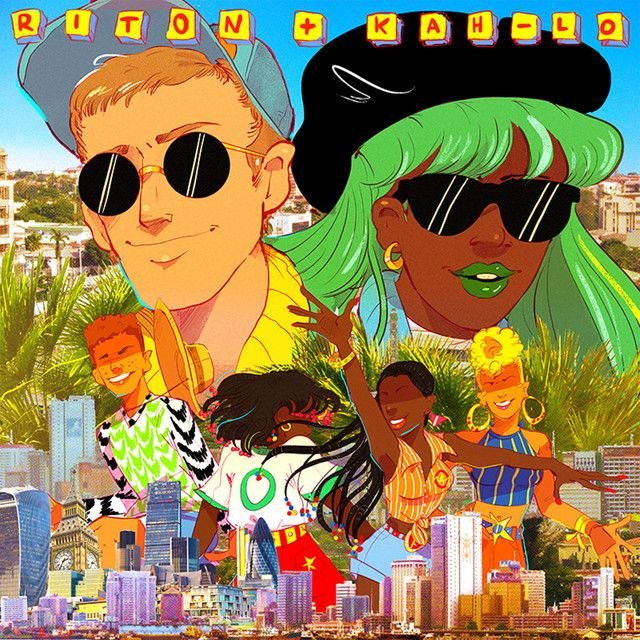
Why "Fake I.D." Turns the Club Into a Test
The meaning of Fake I.D. Riton, Kah‐Lo starts with a party, but it does not end there. On the surface, the song is a fast, funny club track about drinks, dancing, and brushing off weak energy. Under that surface, it is also about social filtering: who belongs, who gets ignored, and who controls the room.
"Fake I.D." - Riton, Kah‐Lo
Tell the man not to waste your time
If the man broke, the man he a joke
Loading lyrics...
Unable to load lyrics
We're unable to display the lyrics at this time. Please try again later.
Riton, the British producer Henry Smithson, and Kah-Lo, the Nigerian singer-songwriter Faridah Oyindamola Demola-Seriki, built a creative partnership around sharp hooks and club-ready minimalism, as seen in coverage of their breakout work together from outlets like Billboard and NME. That background matters here. They tend to write songs that feel simple at first, then reveal a strong point of view through repetition, rhythm, and attitude.
The Real Message Hides in the Party Talk
At its core, the song presents nightlife as a place of instant judgment. The speaker and her crowd are not looking for romance or deep connection. They are looking for momentum. If a man is dull, cheap, or awkward, he is out.
That is why lines like girls wanna have fun
and if the man don't dance
matter. They are not just playful commands. They set the rules of the space. In this world, fun is not passive. People must contribute to the energy or be replaced.
Interpretation: The song treats the club almost like a competition. Charm alone is not enough. Money, rhythm, confidence, and timing all count. The repeated dismissals make the nightlife scene feel like a social audition.
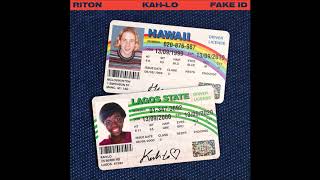
Watch the official Fake I.D.
music video
A Chorus About Access, Image, and Mischief
The hook centers on fake ID
, which gives the song its title and its edge. On the most literal level, it points to underage club culture and the thrill of getting into adult spaces before one is legally allowed. That reading fits the track's rebellious tone.
But the phrase may also suggest performance. A fake ID is not just a tool; it is a temporary identity. It lets someone enter a new world by acting older, bolder, and more experienced than they really are.
Gotta work real hard
Streets are your catwalk
That brief section broadens the meaning. The song starts sounding less like random party talk and more like a manual for nightlife self-invention. They work, dress up, step outside, and turn public space into a stage.
How the Verses Build a Social Hierarchy
The verses move in blunt, chant-like bursts. They talk about drinking, dancing, and rejecting people who slow the night down. Phrases such as not to waste your time
and get the man gone
show how little patience the speaker has.
This is important to the meaning of Fake I.D. Riton, Kah‐Lo because the song keeps linking pleasure with standards. The club is supposed to feel free, but that freedom comes with rules. The right people elevate the night. The wrong people kill it.
Three key ideas in the lyrics
- Fun is selective. Not everyone is invited to stay.
- Movement equals value. Dancing stands in for confidence and chemistry.
- Style is power. Image, money, and attitude shape who gets noticed.
Interpretation: There is a satirical edge here too. The standards are so blunt that they can sound exaggerated on purpose, almost like the song is parodying club snobbery while also enjoying it.
The Production Makes the Meaning Feel Physical
Riton's production style often leans on house rhythms, spare grooves, and looped vocal phrases, a combination noted in profiles of his dance work by sources such as BBC Music and major dance press like Mixmag. That approach fits this song perfectly.
The beat is built to feel repetitive in a good way. Instead of telling a detailed story, it locks the listener into a cycle. That matters because the song itself is about ritual: lining up, getting in, scanning the room, dancing, drinking, dismissing, repeating.
Kah-Lo's vocal delivery also carries meaning. She often sounds more like a ringmaster than a confessor. Her tone is dry, cool, and amused. That distance keeps the song from feeling emotional or vulnerable. It feels controlled.
Two Strong Readings of the Song
There are at least two useful ways to hear it.
Reading One: A pure club anthem
In the simplest reading, the song is just a fun, cheeky dance track. It celebrates girls' night energy, quick wit, and the freedom to reject bad company. That reading is supported by the repetitive structure, the drink references, and the constant focus on dance-floor chemistry.
Reading Two: A mask worn for nightlife
A deeper reading hears the fake ID as a symbol of transformation. The night asks people to perform a version of themselves that is louder, sharper, and more glamorous. The song's confidence then becomes both empowering and slightly artificial.
That second reading fits especially well with the fashion-like lines and the emphasis on display. They are not just going out. They are stepping into a role.
Why the Song Still Works
What keeps the track memorable is its mix of humor and authority. It never overexplains itself. Instead, it uses small commands, repeated slogans, and a hard beat to create a whole social world.
So the meaning of Fake I.D. Riton, Kah‐Lo is not simply about sneaking into a bar. It is about entrance, judgment, and performance. It shows nightlife as a space where identity can be tried on, tested, and thrown away by morning.
That is why the song still hits: it turns a simple chant into a portrait of modern going-out culture.
Disclaimer: This interpretation is based on the released lyrics, performance style, and publicly known artist context. As with most songs, listeners may hear different meanings.








