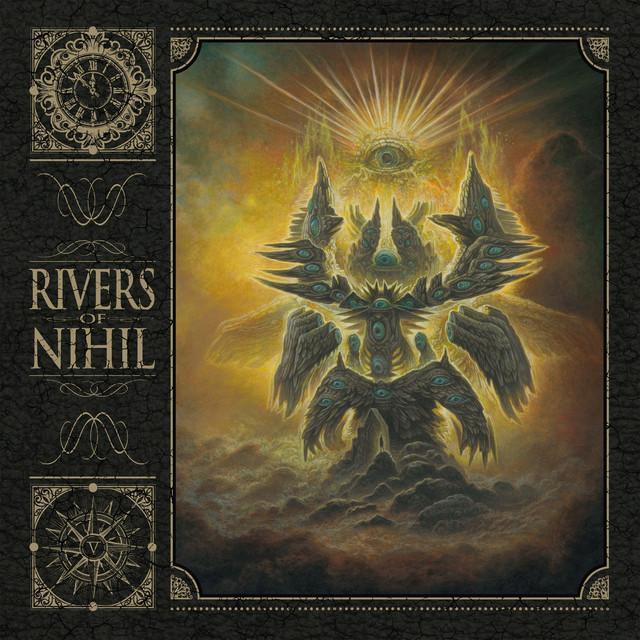
Why 'The Logical End' Hits So Hard
The meaning of The Logical End Rivers of Nihil comes down to a painful but grounded idea: death is unavoidable, but love, memory, and example can still outlast it. The song sounds like a farewell, yet it does not collapse into despair. Instead, it tries to meet loss with honesty.
"The Logical End" - Rivers of Nihil
A listless gaze through tear stained eyes
(A father shares his warm goodbye)
Loading lyrics...
Unable to load lyrics
We're unable to display the lyrics at this time. Please try again later.
Rivers of Nihil are known for mixing technical death metal with melodic and atmospheric ideas, a sound documented across their official history and releases at Metal Blade Records and the band’s official site. That matters here, because the song’s meaning lives in the tension between crushing heaviness and emotional warmth.
A Goodbye That Refuses Illusion
At its core, the song presents someone watching a loved one die and trying to stay composed. Early on, the image of tear-filled eyes and a parent’s farewell makes the scene feel intimate. The narrator is not dealing with a distant idea of mortality. They are in the room with it.
The key phrase stay logical
is not about becoming cold. It sounds more like survival advice. They are telling themselves not to let grief erase truth. That is why the song keeps returning to honesty, especially in the contrast between truth and lies.
The Chorus Turns Acceptance Into the Theme
The refrain gives the song its title and emotional center. When the singer says the logical end
, they frame death as the natural finish to a human life. That phrasing is stark, but the surrounding lines soften it with gratitude.
The message is essentially this: they will not pretend the loss is anything other than real, but they also will not reduce the person to that ending. Calling the loved one a godsend
shifts the song from fear to thanks. In other words, acceptance does not cancel affection.
Grief Without Pretending
One of the strongest ideas in the lyric is that pain should not be covered with comforting falsehoods. The song says truth hurts, but deception lingers longer. That contrast is simple and effective.
Interpretation: this suggests the narrator would rather face death directly than hide behind denial. In grief songs, artists often choose either raw emotion or stoic distance. Here, Rivers of Nihil try to hold both at once.
Who They Are Singing To
The lyrics point most clearly toward a father or father figure. The line about a father’s goodbye makes that plain, and the phrase my hero fade away
deepens it. This is not just a family member; this is someone admired, someone who shaped the speaker’s values.
That detail changes the song’s scale. Losing a parent is not only losing a person. It can feel like losing a guide, a model, even a version of the self. The repeated advice to keep one’s head up and remain strong sounds like inherited wisdom being passed on in real time.
Memory, Legacy, and the Fear of Vanishing
Midway through, the song widens from one death to a larger question: what happens to a person after they are gone? The narrator wonders whether memory will dissolve into sorrow or remain as a light.
When I fade away
Will all my memories dissolve
Or will I be a light?
That guides the way
This is the song’s clearest philosophical turn. It stops being only about mourning the dead and starts asking what kind of imprint any life leaves behind.
Interpretation: the answer the song leans toward is hopeful. A person may die, but their care, lessons, and character can continue through others. That is why the ending feels less like surrender than transmission.
The Strange Image of Empires and Castles
One lyric introduces castles of man
and the building of another empire. On first read, it sounds unusual beside the family grief. But it fits if heard as a statement about human legacy.
People keep building after loss. Families, communities, and even identities are constructed from what previous generations leave behind. The song seems to argue that as long as people carry memory forward, they resist a final ending in the emotional sense.
How the Music Carries the Meaning
Rivers of Nihil’s style helps sell the song’s emotional split. Their music often combines aggressive riffs, progressive structures, and strong melodic passages, as noted by coverage from outlets like Metal Injection and Loudwire when discussing the band’s broader catalog.
In this song, that blend matters. The heavier sections suggest the force of grief and the body-blow of mortality. The more open, melodic moments create room for memory and tenderness. The repeated vocal lines feel almost like self-command: keep standing, keep breathing, keep moving.
That musical push-and-pull makes the message feel believable. If the song were only brutal, it would risk sounding numb. If it were only soft, it might lose the reality of death. Instead, they let both feelings exist together.
The Most Likely Meaning of The Logical End Rivers of Nihil
The best reading is that the song is about accepting a loved one’s death while trying to preserve what they gave to the living. It acknowledges sorrow, refuses denial, and asks whether memory can become guidance.
That is why the final repetitions of don’t fade away
matter so much. They sound like a plea, but also like a vow. The person may be physically gone, yet they do not fully disappear if their presence continues in memory and action.
Final Take
The meaning of The Logical End Rivers of Nihil is not just that death comes for everyone. It is that truth, gratitude, and legacy can meet death without lying about it. The song hurts because it stays honest, and it comforts because it suggests that love leaves a shape behind.
Disclaimer: This interpretation is based on the released lyrics, the band’s known style, and reasonable critical reading. Like most songs, it can support more than one meaning.








