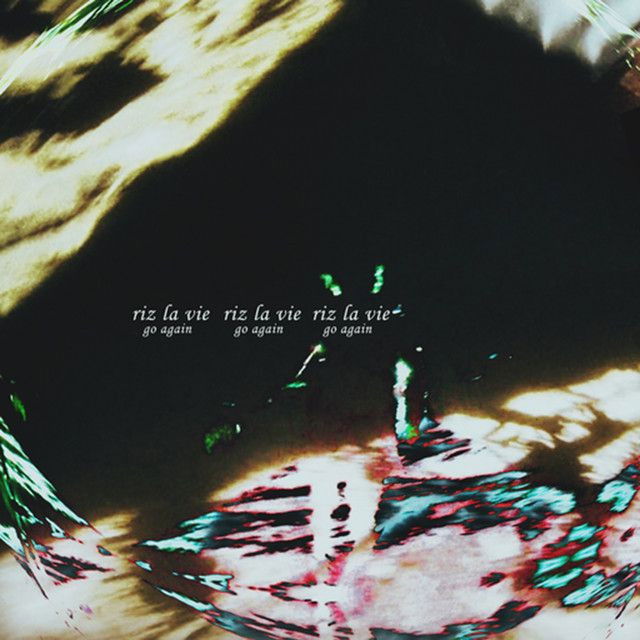
Why 'Go Again' Feels Stuck Between Hope and Hurt
The meaning of Go Again RIZ LA VIE comes down to a simple but painful idea: they want to return to something familiar, even while suspecting it cannot truly be restored. The song circles around memory, routine, and emotional backtracking. It sounds light on the surface, but underneath, it carries regret.
"Go Again" - RIZ LA VIE
To the spot where we liked last time
I bet it's no different
Loading lyrics...
Unable to load lyrics
We're unable to display the lyrics at this time. Please try again later.
RIZ LA VIE is an indie-pop artist and songwriter, and the song is credited to him as its writer. In the information provided here, no official album, release date, or producer credit is confirmed, so those details should be treated as unknown rather than assumed.
A Return That Already Feels Different
At the center of the song is the repeated wish to go again
. On one level, that means revisiting a place they used to enjoy. On another, it suggests trying to replay a relationship dynamic that once felt easy.
The opening lines frame that tension clearly. They think the old spot is probably no different
, yet almost every detail around it has changed. Friends are gone, the music is not the same, and even their own energy has shifted. That contrast matters.
Interpretation: the song is not really about a location. It is about the false comfort of repetition. They hope that redoing the ritual might restore the feeling, but the lyrics keep showing why that is unlikely.

Watch the official Go Again
music video
The Hook Turns Nostalgia Into Denial
The refrain is where the song sharpens its message. They remember a promise to keep going together, and the phrasing suggests momentum, devotion, and maybe even youthful confidence. But then the song adds friction.
When they say things became all caught up
and later tangled
, the emotional picture changes. What once felt like movement now feels like confusion. The hook is catchy, but its meaning is not carefree.
What the chorus really reveals
The repeated return to the same idea shows a mind looping. Instead of moving on, they keep testing the past to see whether it can still hold them. That is why the chorus feels both warm and sad at once.
Small Details Show a Relationship Wearing Down
One of the strongest parts of the lyric is how ordinary details carry emotional weight. Their feet have been dragging instead of dancing. That is an easy image to picture, and it tells the story without overexplaining it.
The change from movement to heaviness suggests burnout. Earlier, they could dance through the moment. Now, even getting there feels like effort. In a few words, the song turns physical motion into a sign of emotional fatigue.
Another striking moment comes when they say they finally scrubbed the dirt off
. That line implies recovery after disappointment. It sounds like they are trying to clean off the residue of hurt, maybe after being ignored or left emotionally stranded.
Who They Seem to Be Singing To
The song shifts between shared memory and private accusation. It starts in a collective voice, with “we” making plans and remembering what used to work. Then it narrows toward “you,” especially when they admit the other person never reached me
.
That move matters. It shows that the nostalgia is not neutral. There is a wound inside it.
Interpretation: they may be speaking to a former partner, but the song also leaves room for a broader reading. It could be about any bond that once relied on habit and shared spaces, then slowly broke under distance and missed connection.
How the Images Build the Song's Meaning
Several motifs hold the song together:
- Places: the familiar spot stands for a memory they want to test.
- Music and dancing: these reflect how easy the relationship once felt.
- Dragging feet: this shows emotional resistance and exhaustion.
- Dirt and the driveway: these suggest aftermath, neglect, and the long trip away from closeness.
Near the end, the image of someone swerving away and taking a long way home gives the song one final ache. It suggests avoidance. Instead of coming back directly, the other person drifts off course.
We said we'd go until we can't go
All caught up and now it's tangled
That short passage captures the whole emotional arc: a vow of togetherness turning into confusion.
Why the Sound Likely Matters as Much as the Words
Even without full production credits here, the writing suggests a song that works best with contrast: a smooth groove carrying uneasy feelings. That kind of setup is common in indie-pop and alt-R&B, where bright melody can make heartbreak hit harder rather than softer.
The dance references are important. If the instrumental has a laid-back bounce, it would underline the song's main contradiction: the body remembers joy while the mind knows something has changed. In that sense, the production would not just support the lyrics. It would deepen them.
The Best Way to Read the Ending
The meaning of Go Again RIZ LA VIE is not that love can always be restarted. It is closer to this: people often revisit old scenes because they want proof that the past still exists. The song gently argues that this rarely works.
Still, it is not cynical. They do not mock the wish to return. They understand it. That is why the song lands with such a human feeling. It knows that even after disappointment, people keep trying the old road one more time.
Final Take on the Song's Heart
RIZ LA VIE builds a song about repetition, but not in a simple romantic way. They show how routine can become longing, and how longing can become denial. The listener hears someone reaching backward, hoping the old rhythm still lives somewhere.
Interpretation disclaimer: This article offers a close reading of the lyrics and available song details. Unless the artist has explained a line directly, any deeper meaning should be treated as interpretation, not confirmed fact.








