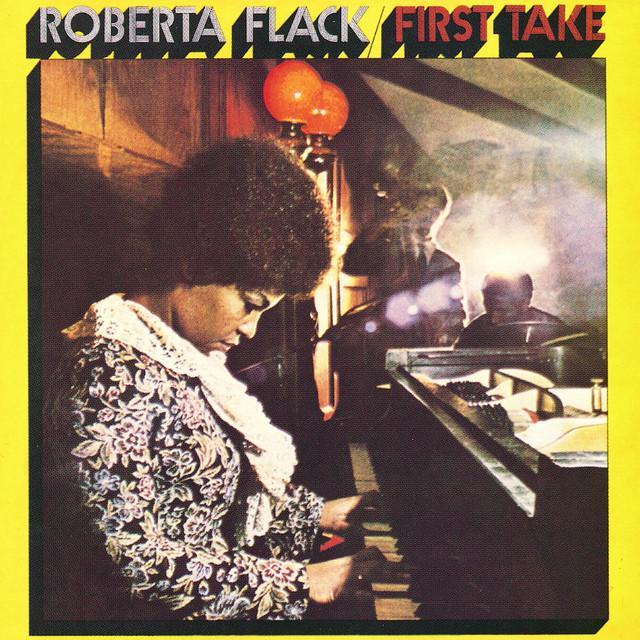
Why Roberta Flack's Love Song Feels Sacred
The meaning of The First Time Ever I Saw Your Face Roberta Flack comes from a simple idea delivered with unusual depth: love can make one moment feel bigger than the whole world. Roberta Flack's recording turns a quiet ballad into something almost spiritual. Instead of rushing toward romance, they let each image breathe, so the song feels less like a confession and more like a memory being held with care.
"The First Time Ever I Saw Your Face" - Roberta Flack
I thought the sun rose in your eyes
And the moon and the stars were the gifts you gave
Loading lyrics...
Unable to load lyrics
We're unable to display the lyrics at this time. Please try again later.
A Love Song Built on Firsts
Factually, the song was written by Ewan MacColl and later recorded by Roberta Flack, whose version appeared on her debut album First Take in 1969 and later became a major hit after it was used in Clint Eastwood's film Play Misty for Me. It went on to top the Billboard Hot 100 and win Record of the Year at the Grammys.
At the level of meaning, the song is about three first experiences: seeing someone, kissing them, and sharing physical closeness. Each one grows in emotional intensity. When the singer sees the loved one, the feeling is cosmic; when they kiss, it feels physical and overwhelming; when they lie together, it becomes timeless.
This is why the song feels so complete. It moves from sight, to touch, to emotional union. The romance does not seem casual. It sounds total.
Watch the official The First Time Ever I Saw Your Face
music video
How the Images Turn Love Into the Universe
One reason the lyric hits so hard is its scale. The beloved is not just attractive. Their presence seems to change nature itself. Short phrases like the sun rose
and the moon and the stars
make the loved one feel like a source of light in a dark world.
That imagery matters because it tells listeners how the singer sees love: not as comfort alone, but as creation. The partner gives shape and brightness to emptiness. Even when the wording is grand, the feeling stays intimate because the song keeps returning to a single face, a single mouth, a single heartbeat.
Interpretation: This mix of huge images and private detail suggests that deep love changes perception. The outside world stays the same, but to the person in love, everything looks newly lit.
The Physical Moments Stay Tender, Not Flashy
The second and third verses move closer to the body, yet the song never feels crude. A phrase like earth move
turns a kiss into a bodily shock, while heart so close to mine
frames intimacy as emotional nearness, not conquest.
That balance is important. The lyrics describe desire, but they do so with softness and reverence. Even the comparison to a trembling bird presents touch as delicate and powerful at once. The singer seems stunned by vulnerability.
And I knew our joy
would fill the earth
Those brief lines capture the song's emotional leap. A private moment suddenly feels universal. What happens between two people becomes a vision of lasting joy.
Why Roberta Flack's Performance Changes the Meaning
Roberta Flack's version is not just famous because of the lyric. It is famous because of how they sing it. The tempo is very slow, the piano is spacious, and the arrangement leaves room for silence. That restraint shapes the message.
If the song were sung faster, it might sound merely sentimental. Flack's patient phrasing makes every word feel considered. They do not push emotion outward. They draw listeners inward.
The production also supports that intimacy. The recording uses a gentle soul approach rather than dramatic orchestral excess. The result is close, warm, and private. In genre terms, it sits in R&B/soul, but its emotional pacing borrows from art song and folk ballad traditions too.
A Song With a Strong Backstory
Context helps explain why the song feels so personal. Ewan MacColl wrote it for Peggy Seeger, and the lyric began as an expression of devotion rather than a commercial pop exercise. That origin gives the words their directness.
Roberta Flack then transformed it. Their version reached a wider American audience and became culturally iconic in the early 1970s. Because of that, many listeners now hear the song through Flack's voice first, even though they did not write it.
That matters for interpretation. The lyric may begin on the page with one writer's intention, but the emotional meaning most people know comes from Flack's delivery: calm, dignified, and deeply inward.
Two Strong Ways to Read the Song
There is a clear surface meaning here: a person remembers the first moments of falling completely in love. That reading is well supported by the sequence of images and the repeated focus on one beloved face.
Interpretation: Another reading is that the song treats love as a kind of awakening. The face, kiss, and embrace are not just romantic milestones. They are moments that teach the speaker how to feel wonder again. In that sense, the song is about transformation as much as romance.
Both readings can be true at once. That is part of the song's lasting power.
Why the Song Still Resonates
The reason this ballad endures is simple: it does not confuse intensity with noise. The meaning of The First Time Ever I Saw Your Face Roberta Flack lies in its patience. It trusts that quiet emotion can feel immense.
For many listeners in the United States and beyond, the song remains a standard because it treats love as something serious, tender, and almost holy. It speaks softly, but it leaves a mark.
Disclaimer: This article offers a good-faith interpretation of the song's themes and artistic effect. Meaning can vary by listener.







