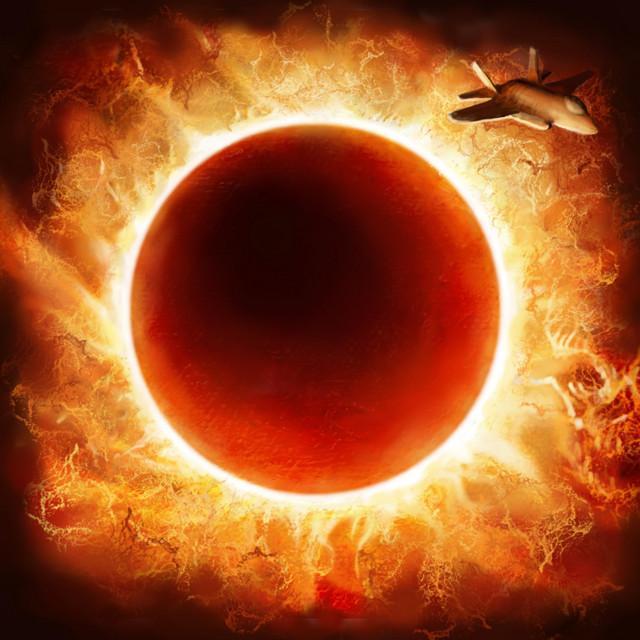
Why “M.A.D. WORLD” Feels Like Controlled Chaos
The meaning of M.A.D. WORLD Robscure, Nahte Renmus, Art Morera starts with a blunt idea: the world feels irrational, overheated, and hard to trust. Instead of describing that feeling in calm language, the song throws the listener into it.
"M.A.D. WORLD" - Robscure, Nahte Renmus, Art Morera
Everybody knows things are mad
Madness
Loading lyrics...
Unable to load lyrics
We're unable to display the lyrics at this time. Please try again later.
That matters. The track does not only say life is chaotic; it sounds chaotic too. Through dense bars, nervous energy, and images of smoke, fire, and collapse, the artists build a rap song that feels like social commentary and mental overload at the same time.
The Core Message Hiding in Plain Sight
At the center of the song is a simple refrain: mad mad mad world
. Before and after that hook, the verses pile up images of confusion, danger, and pressure. The artists seem to argue that insanity is no longer an exception. It has become the atmosphere.
Interpretation: They are not diagnosing literal madness in a medical sense. They are using “mad” as a moral and social judgment. The systems around them seem reckless, people chase power, and everyday life feels unstable.
The opening samples sharpen that point by talking about maniacs, power, and people acting irrationally. Those lines frame the whole song as a critique of public life, not just a personal rant. In other words, the track starts with the claim that disorder is built into the world itself.
A Voice Caught Between Witness and Participant
One of the song’s smartest moves is that the rappers do not stand outside the chaos like perfect observers. They sound caught inside it. Early on, a line like all we wanted was peace
suggests a simple hope, but the verse quickly swerves into aggression, frustration, and wild imagery.
That contrast gives the song tension. They want calm, but they speak in explosions. They want clarity, but their thoughts arrive in flashes.
The speaker they create
Across the song, the voice feels:
- alert to social decay
- proud of lyrical skill
- tempted by anger
- aware that creative energy can become destructive
That is why lines about pens, flames, and fuses matter so much. When one verse lands on tick tick tick tick BOOM!
, the song turns thought into detonation. Writing becomes a pressure release, but also a weapon.
Fire, Smoke, and Heat: The Song’s Main Symbol System
If listeners want one key to the meaning of M.A.D. WORLD Robscure, Nahte Renmus, Art Morera, it is the repeated fire imagery. Nearly every section returns to burning, smoke, sparks, or heat.
Interpretation: Fire works in three ways here.
First, it represents destruction. The world is not just troubled; it feels flammable. A phrase like scorchin' the sky
makes the crisis feel global, not local.
Second, fire represents performance. Battle rap and elite lyricism often use heat as a metaphor for skill. The rappers present themselves as artists whose words burn, cut, and leave marks.
Third, fire represents emotion. Anger, numbness, and intensity all blur together. When the song connects pain to motion and creation, it suggests that emotional damage can fuel artistic output.
How the Verses Build a Broken Landscape
The first verse moves through smog, smoke breaks, trains of thought, and explosive punchlines. The effect is urban, crowded, and restless. Nothing sits still for long. References bounce from pop culture to transit to mythic-scale disaster.
The second verse gets even more fragmented. Its language feels compressed, almost overloaded, as if the mind itself is struggling to keep order. This is one reason the song feels convincing: the form mirrors the stress.
Don't know who struck first
but we scorchin' the sky
That brief moment captures the wider message. Nobody can even agree on the start of the conflict, yet destruction is already underway. Cause and effect get blurry, but damage is obvious.
Why the Hook Hits So Hard
The chorus is simple on purpose. After all the complicated verses, the repeated hook gives the listener a plain conclusion. The world is mad. That repetition turns private frustration into a shared condition.
It also makes the song memorable. In rap, a dense verse can impress, but a clean hook carries the theme home. Here, the chorus acts like a headline after a flood of details.
Sound and Delivery Matter as Much as the Words
Even without extensive public production notes, the performance itself reveals a lot. The beat and vocal attack suggest intensity over softness. The flows are tight, fast, and packed with internal rhyme, making the track feel breathless.
That style fits the message. A smoother delivery would weaken the song’s argument. Instead, the artists rap like people trying to outrun collapse while documenting it.
For factual credits, the listed writers are Arthur Morera, Ethan Sumner, and Robin Hartzell. Public song data can be checked through platforms like Genius and artist pages such as Spotify, though deeper intent is best confirmed by the artists themselves.
The Best Way to Read “M.A.D. WORLD”
The strongest reading is that the song lives in two lanes at once. One lane is social: leaders, systems, and public culture feel irrational. The other is personal: living in that environment can make the mind race, harden, or burn out.
That dual reading is why the track lands. It never feels like abstract philosophy. It feels lived in.
In the end, “M.A.D. WORLD” argues that chaos is everywhere, but it also shows how artists transform that chaos into style, rhythm, and warning. Their answer to an unstable world is not silence. It is louder truth.
Disclaimer: This article offers interpretation based on the lyrics, performance, and available credits. Song meaning can remain open, and the artists’ own explanation would carry the most weight.







