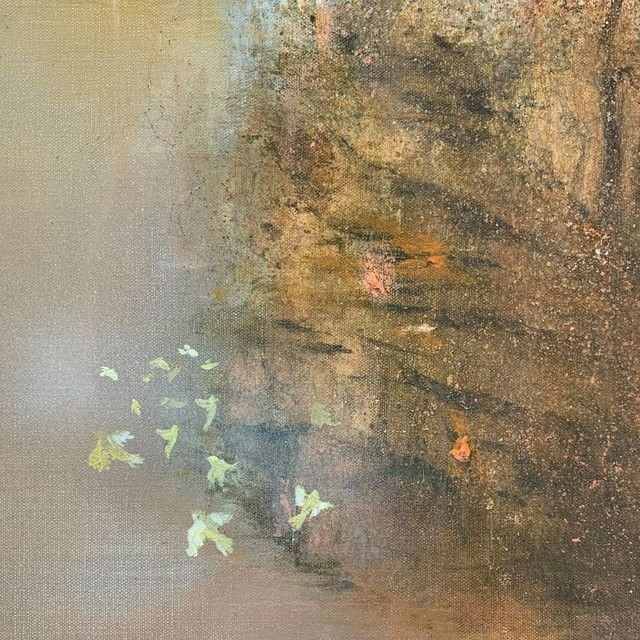
Childhood by Roo Panes
The meaning of Childhood Roo Panes centers on a simple but moving idea: innocence is not only something people lose. It can also be something they choose to recover, protect, and practice.
"Childhood" - Roo Panes
Every day's a wild wood
Always learning, always yearning
Loading lyrics...
Unable to load lyrics
We're unable to display the lyrics at this time. Please try again later.
Roo Panes, the stage name of Andrew David Panes, is an English folk singer-songwriter known for reflective writing and acoustic, string-led arrangements. His catalog has often been described as introspective and rooted in folk textures, and "Childhood" fits that profile well. According to widely available discography information, the song appeared on Nightjar and the Nightingale in 2022 and later on The Summer Isles in 2023.
A Song About Wonder After Disillusionment
At its heart, "Childhood" is about carrying early wonder into adult life without pretending pain does not exist. The opening refrain frames that clearly with every day's a childhood
and every day's a wild wood
. Those phrases turn childhood from a past life stage into a way of meeting the world.
Interpretation: They are not saying adulthood disappears. They are saying each day still holds first lessons, first fears, and first joys. The song treats living itself as ongoing initiation.
That idea matters because the verses do not stay innocent for long. The speaker remembers family love, cradle songs, and a father teaching kindness. Then the song introduces the harder truth that the world is not gentle all the time.

Watch the official Childhood
music video
Memory, Family, and the First Moral Lessons
The first verse builds a childhood scene through sensory details. Sun, spring air, a plum tree, and music by the cradle create a sheltered world. These are not random pretty images. They show how identity begins in the body, in place, and in family care.
When the speaker recalls being taught kindness, the song quietly suggests that moral memory lasts longer than disappointment. Even after life becomes difficult, those early lessons remain a compass.
This is one reason the song feels warmer than many nostalgia tracks. It is not obsessed with returning to the past. It is more interested in what the past still gives the present.
The Cuckoo Bird Changes Everything
The sharpest turn comes with the image of the cuckoo bird. The lyric mentions a bird that takes from songbirds before their song can be heard. Paraphrased, it is a picture of beauty interrupted, voice stolen, innocence cut short.
before the cuckoo rang the bell
That short moment works like an alarm. Childhood is no longer only a garden of safety. It becomes the period before betrayal, grief, or harsh knowledge enters.
Interpretation: The cuckoo may stand for many things: cruelty, adulthood, social reality, or simply the first realization that life is unfair. The line matters because it gives the song conflict. Without it, "Childhood" would just be pastoral nostalgia.
Instead, Panes lets innocence and disillusionment sit side by side.
Why the Chorus Feels Bigger Each Time
The chorus repeats the same central claim, but its meaning changes as the song goes on. Early in the song, always learning, always yearning
sounds playful and open. Later, after heartbreak enters, the same line sounds more resilient.
That shift is crucial to the meaning of Childhood Roo Panes. The chorus becomes a decision. Life brings trouble, heartbreak, and self-doubt, but the speaker still chooses beauty, memory, and openness.
When they say they will keep singing beauty's song, the message is not naive. It is an answer to damage. Beauty becomes a form of resistance, not escape.
Nature Imagery as a Map of Growth
Panes often works in a classical-folk style with natural imagery, and this song uses that language with care. Blossoming, fruit, sun, rain, and seasons are all tied to human development.
The final verse offers the clearest version of this idea with truth's the rain
and mercy seasons growing pains
. In plain terms, truth can be cold or uncomfortable, like weather. Mercy, though, helps pain become growth instead of just injury.
Interpretation: The song suggests maturity is healthiest when truth and tenderness work together. Too much innocence leaves people unprepared. Too much hardness leaves them closed off.
That balance is why the ending does not deny stains or scars. It admits them, then says renewal is still possible.
How the Sound Supports the Lyrics
Even without reproducing the full arrangement on the page, the song's likely folk setting matters to its meaning. Panes is known for acoustic-led music and often for string arrangements, and he also plays 12-string acoustic guitar in his broader work. That musical background helps explain why "Childhood" feels intimate rather than dramatic.
A song like this benefits from gentle pacing, open harmonies, and a voice that sounds close to the listener. Those choices make the reflection feel lived-in. Instead of turning the song into a grand statement, the production lets it feel like remembered wisdom.
This fits Panes' larger style. His songs often sound like private thoughts carried by organic instrumentation, which suits a lyric about memory, family, and spiritual renewal.
A Final Reading of the Song's Hope
By the close, the song has moved through wonder, loss, heartbreak, and return. Its deepest claim is not that people can go back. It is that they can go forward with a softer heart.
That is what makes "Childhood" more than a memory song. It argues that innocence can mature rather than vanish. To be young again
is not to forget suffering. It is to keep responding to life with awe, honesty, and mercy.
For many listeners, that is the lasting power of the meaning of Childhood Roo Panes: it presents childhood as a daily moral and emotional practice, not a closed chapter.
Disclaimer: This interpretation is based on the released lyrics, established artist context, and musical style. As with any song, meaning can remain personal and open to different readings.








