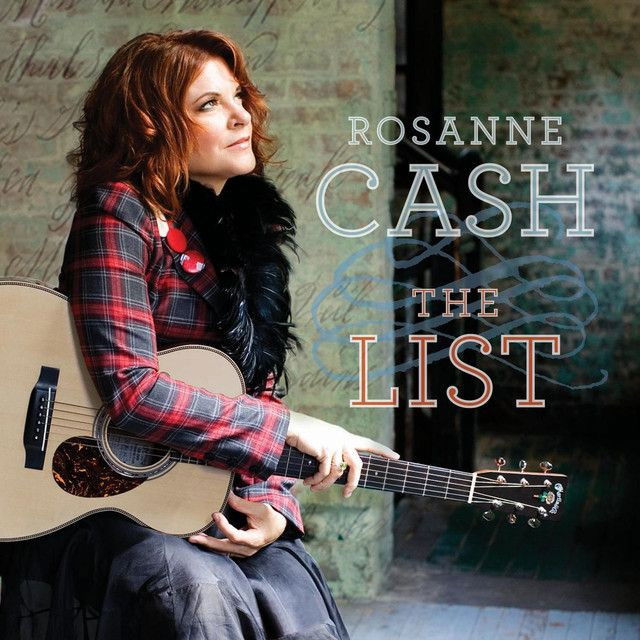
Motherless Children by Rosanne Cash
Why This Song Hits So Hard
The meaning of Motherless Children Rosanne Cash starts with a simple truth: losing a mother can leave a person emotionally unmoored. The song does not hide behind fancy images or complicated plotting. Instead, it states its grief plainly and lets repetition do the heavy lifting.
"Motherless Children" - Rosanne Cash
Motherless children have a hard time when mother is dead, lord.
They don't have anywhere to go;
Loading lyrics...
Unable to load lyrics
We're unable to display the lyrics at this time. Please try again later.
That plain style matters. Rosanne Cash has long been known for writing across country, folk, pop, and Americana, and their career has often balanced strong storytelling with emotional precision, as noted in this Rosanne Cash biography. Here, they and co-writer John Leventhal strip the message down to its bones.
The result is a song about absence, not just death. It shows what happens after the loss: confusion, movement without direction, and the feeling that no other family role can fully replace what is gone.

Watch the official Motherless Children
music video
The Core Meaning Beneath the Refrain
At its center, the song argues that a mother’s care is unique. The repeated line about being motherless children
is not only descriptive. It becomes an emotional condition, almost an identity forced on the people left behind.
The lyric says these children have a hard time
, and the song keeps returning to that fact rather than trying to solve it. This is important. The writing does not promise healing by the final verse. It stays with pain and makes listeners sit inside it.
Interpretation: The song is less about childhood in a literal sense than about vulnerability. Even adults can become “children” again when grief removes the person who made the world feel safe.
How the Verses Build the Idea of Loss
Each verse widens the picture. First comes the image of children with nowhere stable to land, moving door to door
. In plain language, the song connects bereavement with displacement. Grief is not shown as a private thought; it becomes a social and physical experience.
Then the song turns to father and sister. Both are treated with sympathy, not blame. The father will do his best, and so will the sister, but there are still things they cannot fully know. That is one of the song’s strongest moves. It does not insult other family members. It simply says love can exist alongside limitation.
This short multi-line passage captures that structure:
Father will do the best he can
So many things a father can't understand
That moment broadens the song from personal sorrow to family reality. People step in after loss, but stepping in is not the same as filling the space.
The Voice and Point of View
The song mostly speaks in general terms rather than from a named character’s diary. That makes it feel older, almost traditional. It sounds like shared wisdom passed down through hard experience.
Because the wording is direct and communal, the song can speak for many listeners at once. They are not hearing one highly specific memoir. They are hearing a truth claim about family, grief, and the emotional labor mothers often carry.
Interpretation: This broad voice may be why the song feels almost hymn-like. The use of “Lord” gives the grief a spiritual echo, as if the singer is not only mourning but also testifying.
How Rosanne Cash’s Context Shapes the Meaning
Rosanne Cash’s background gives the song extra weight. They are a major American songwriter whose work often engages memory, family history, and emotional inheritance. They also worked closely with John Leventhal for many years as a creative partner and co-writer; Leventhal is a key collaborator in later-career albums including The River & the Thread.
Even without claiming the song is directly autobiographical, listeners can hear how naturally Cash handles family themes. Their catalog often treats kinship as both comfort and burden. In that larger context, “Motherless Children” sounds like a roots song with deep personal understanding behind it.
It also fits the tradition of country and American roots music, where plainspoken lyrics often carry the deepest hurt. Rather than dramatizing grief with big gestures, Cash and Leventhal trust repetition, family roles, and a few sharp details.
How the Sound Carries the Sorrow
Production matters to the meaning of Motherless Children Rosanne Cash because the song’s likely power lies in restraint. On the page, the lyric is repetitive. In performance, repetition can become ritual.
A song like this works best with sparse arrangement, steady tempo, and room around the vocal. That kind of setting lets every repeated statement land harder. If the instrumentation leans country, as the provided credits indicate, listeners can expect acoustic textures, gentle rhythmic support, and a vocal approach that values phrasing over vocal acrobatics.
Interpretation: The musical mood likely mirrors the lyric’s wandering feeling. Instead of building toward triumph, the sound probably circles back, reinforcing how grief revisits the same thought again and again.
What the Song Finally Says
In the end, the song’s message is both sad and compassionate. It says that after a mother dies, people may still be loved, helped, and cared for, but something foundational has changed. The line about nobody treats you like a mother will
is the song’s emotional thesis.
That is why the song lingers. It honors the people who try to help, while still telling the truth about what cannot be replaced. For many listeners, that honesty is the whole point.
The meaning of Motherless Children Rosanne Cash is not hidden. It is a clear-eyed meditation on grief, family roles, and the unique emotional shelter a mother can provide.
Disclaimer: This interpretation is based on the lyrics provided, known facts about Rosanne Cash’s career, and common themes in roots songwriting. As with any song, listeners may hear additional meanings.








