Why “Seasons of Love” Still Measures Life
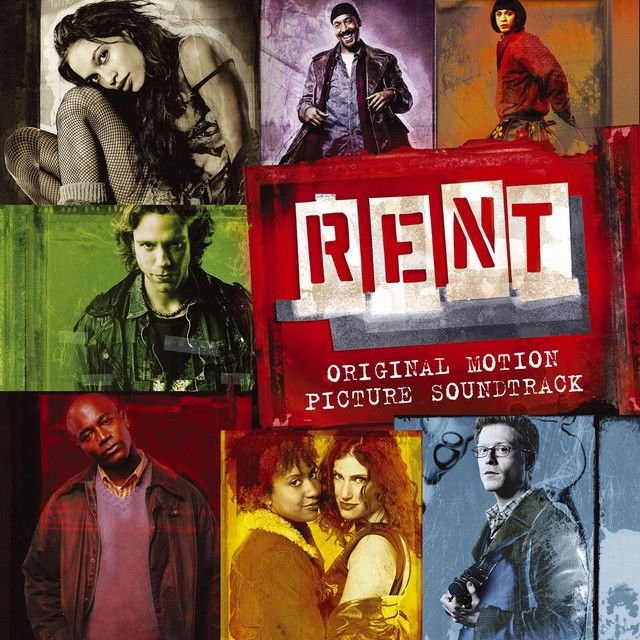
The meaning of Seasons of Love Rosario Dawson, Taye Diggs, Idina Menzel, Jesse L. Martin, Adam Pascal, Tracie Thoms, Anthony Rapp, Wilson Jermaine Heredia starts with a simple question: how should people measure a year? The song answers that question in a way that feels both personal and communal. Instead of judging life by success, money, or status, it points toward care, memory, grief, friendship, and love.
"Seasons of Love" - Rosario Dawson, Taye Diggs, Idina Menzel, Jesse L. Martin, Adam Pascal, Tracie Thoms, Anthony Rapp, Wilson Jermaine Heredia
Five hundred twenty-five thousand moments so dear
Five hundred twenty-five thousand six hundred minutes
Loading lyrics...
Unable to load lyrics
We're unable to display the lyrics at this time. Please try again later.
Written by Jonathan Larson for Rent, and later performed by the film cast, the song became one of the best-known modern musical numbers. In the 2005 film adaptation, it works like a frame around the story, asking the audience to step back from the plot and think about what really gives life value. That wider view is the heart of the song.
A Year Turned Into a Moral Question
The opening counts the minutes in a year, using the famous number five hundred twenty-five thousand six hundred
. Before the song gets emotional, it gets mathematical. That is important. It grounds the idea in something objective and ordinary: time passes the same way for everyone.
Then the lyric turns and asks How do you measure
a life. That shift from counting minutes to weighing meaning is the whole point. A calendar can track time, but it cannot explain whether that time mattered.
This is why the song lists everyday markers like cups of coffee
, laughter, distance, and struggle. Those details make a year feel lived in. They suggest that a life is not built only from milestones. It is also built from routines, pain, little joys, and the moments people share without realizing how much they count.
The Chorus Gives the Answer
After asking what matters, the chorus offers the song’s thesis: measure in love
. That line is simple enough for anyone to understand, but it is not shallow. It does not deny hardship. It places love beside hardship as the thing that gives experience meaning.
How about love?
Measure in love
This brief call-and-response feels almost like a public invitation. The song is not ordering people to think a certain way. It is asking them to consider a better scale.
Interpretation: The repeated question makes love sound like both a choice and a challenge. It is easy to say that love matters. It is harder to build a life around it.
Loss, Friendship, and the World of Rent
The song means even more because of where it comes from. Rent is set among artists and friends living with poverty, uncertainty, and the AIDS crisis. Jonathan Larson’s musical was inspired in part by Puccini’s La Bohème, but moved the story into late-20th-century New York. The Jonathan Larson biography page notes his central role in reshaping musical theater with Rent.
Inside that context, “Seasons of Love” is not a vague anthem. It is a response to mortality. When the lyric asks how to measure a year in the life
, it carries the pressure of people who know time can be cut short.
That gives extra force to lines about truth learned, tears cried, damage done, and death. The song does not pretend all years are happy. It openly includes grief and failure. Yet it still argues for remembrance, celebration, and love among friends. In other words, the answer is not naive optimism. It is resilient human connection.
How the Verses Build a Human Portrait
The second verse broadens the scope from a year to a whole human life. It asks how to measure the life of a woman or a man, then weighs inner growth against emotional pain, moral failure, and mortality. That contrast matters.
On one side, there is learning and feeling. On the other, there are mistakes and death. The lyric refuses a clean or sentimental picture of life. People grow, break things, cry, love, and disappear. The song gathers all of that into one frame.
Interpretation: This is why the message lands so strongly. Love here does not mean romance alone. It also means compassion, memory, forgiveness, solidarity, and the decision to honor people even when life is messy.
Why the Sound Feels Like a Ceremony
The production helps carry the meaning. Unlike many plot-heavy musical songs, “Seasons of Love” is built like an anthem. Its gospel-pop style, steady pulse, layered vocals, and rising harmonies make it feel collective rather than private.
The ensemble singing is especially important in the film version with Rosario Dawson, Taye Diggs, Idina Menzel, Jesse L. Martin, Adam Pascal, Tracie Thoms, Anthony Rapp, and Wilson Jermaine Heredia. No single voice dominates for long. That choice supports the message: love is not just one person’s feeling. It is something shared by a community.
The arrangement also moves with calm confidence. It is not rushed, even though the song is about time. That creates a subtle effect. The music seems to pause the clock long enough for reflection. The singers are not trying to outrun time. They are trying to understand it.
Why the Song Endures
Part of the song’s staying power is its flexibility. It works at graduations, memorials, charity events, and theater auditions because its message applies to many kinds of life change. Almost everyone has asked some version of its central question.
It also balances uplift and sorrow well. Some inspirational songs feel too clean. “Seasons of Love” lasts because it keeps pain inside the picture. It remembers loss, then answers it with togetherness.
Final Take
The meaning of “Seasons of Love” is that time alone is not enough to define a life. What matters is how people care, remember, endure, and give of themselves while time is passing.
That is why the song still resonates. It turns a year into a mirror and asks what, in the end, is worth counting.
Disclaimer: This interpretation is based on the lyrics, the context of Rent, and the song’s performance history. As with any art, listeners may hear additional meanings.








