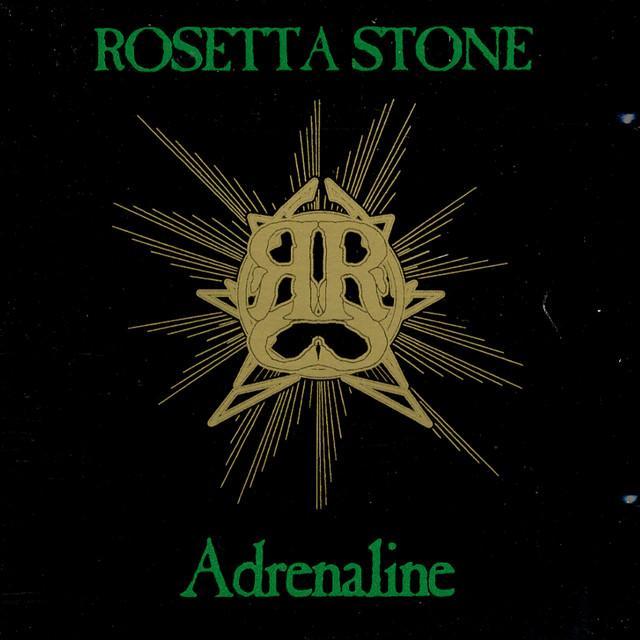
Adrenaline by Rosetta Stone
The Rush at the Center
The meaning of Adrenaline Rosetta Stone starts with a simple idea: the song turns a bodily rush into something spiritual, dangerous, and addictive. It is not just about excitement. It is about what happens when intensity feels so strong that it seems holy.
"Adrenaline" - Rosetta Stone
Breathing deep religiously.
Dust.
Loading lyrics...
Unable to load lyrics
We're unable to display the lyrics at this time. Please try again later.
Rosetta Stone were part of the UK goth scene, and Rosetta Stone built a sound that mixed gothic rock with post-punk and, later, more electronic textures. According to the band history, “Adrenaline” was their most successful 12-inch single in 1991. That matters, because the song sounds designed to grab the body first and the mind second.
From the opening, the lyrics frame adrenaline as both gift and invasion. The singer describes the rush as almost sacred, then quickly shows how that same force can splinter, cut, and push someone beyond safety. That tension drives the whole track.

Watch the official Adrenaline
music video
Sacred Language, Unsafe Energy
One of the most striking things in the song is its religious wording. Phrases like Another gift from God
and Breathing deep religiously
make the rush feel blessed. The singer does not describe adrenaline as random chemistry. They make it sound like revelation.
But the song never lets that reading stay pure. Almost right away, the images turn sharp and unstable. Dust breaks apart inside the body. Speed and intensity become the real forces in charge. In that sense, the lyrics suggest a person giving themselves over to an experience that feels cleansing, even if it is also harmful.
Interpretation: this is one reason the song feels so gothic. It treats ecstasy and damage as neighbors. The same force that lifts a person toward transcendence also strips away caution.
What the Verses Seem to Show
A body crossing a line
The verses move like quick flashes rather than a full story. They show a speaker entering an altered state, then losing fear inside it. The repeated images of speed, edges, and cutting imply that the thrill depends on risk.
The key hook, I'm on Adrenaline
, works on two levels. On the surface, it means they are flooded with adrenaline. But the wording also sounds like being on a substance, as if the feeling itself has become a drug. That blurs the line between natural response and chosen intoxication.
The phrase Cloud nine, white line
pushes that ambiguity further. It can suggest euphoria, danger, and possibly self-destructive habits, all at once. The song never explains it directly, which is why the line remains powerful.
Eyes, Soul, and the Edge
Midway through, the lyrics mention eyes as windows to the soul, then move straight into images of razor lines and standing near a ledge. That shift is important. The song begins with inner truth, then places that truth in a moment of physical peril.
Here is the clearest snapshot of the song's emotional world:
No fears for consequence remain
The razor cuts
We're free again
Paraphrased, the idea is that freedom arrives only after fear disappears, and that freedom may come through pain. This is not presented as calm healing. It is an extreme, almost violent release.
Interpretation: the ledge and razor imagery may be literal, but they also work as symbols of emotional brinkmanship. The singer may be describing the kind of high where someone feels most alive when closest to collapse.
Why the Chorus Feels So Compulsive
The chorus repeats the title over and over, and that repetition matters as much as the words themselves. It mirrors how adrenaline works in the body: quick, overwhelming, hard to step out of. Instead of developing a detailed argument, the song traps the listener inside a loop.
That is why the track feels less like a narrative and more like a state of mind. Every return to I'm on Adrenaline
sounds both triumphant and alarming. The listener hears release, but also dependence.
This dual feeling helps explain the song's appeal. It gives the thrill of surrender while letting unease stay in the background.
How the Sound Carries the Meaning
Rosetta Stone came from gothic rock, but even in their early period they were good at making guitars, bass, and drum programming feel physical. The band's profile notes a setup built around guitars, synths, and a drum machine nicknamed “Madame Razor,” which is a fitting detail for a song full of blade imagery.
On “Adrenaline,” the production supports the lyric theme in three main ways:
- Driving rhythm: the pulse suggests racing nerves and an elevated heartbeat.
- Guitar texture: the guitars feel sharp and bright, matching words about cuts and edges.
- Hypnotic repetition: the repeated hook recreates obsession instead of just describing it.
The result is a song that does not stand outside the feeling and analyze it. It throws the listener into it. That is a big part of the meaning of Adrenaline Rosetta Stone: sound and lyric tell the same story of attraction to intensity.
Two Strong Ways to Read It
There is no single confirmed meaning in the lyrics provided, so the best reading is layered.
Interpretation 1: a song about thrill addiction. The speaker seems hooked on danger itself. Images of speed, edges, and consequence-free release suggest someone chasing the moment when fear turns into pleasure.
Interpretation 2: a song about emotional or spiritual overload. Because the lyrics use soul and God language, the rush may represent a desperate attempt to feel purified, reborn, or fully awake after emotional numbness.
These readings can exist together. In fact, that overlap is likely the point. The song implies that some highs feel holy precisely because they are risky.
Why It Still Stands Out
“Adrenaline” remains one of Rosetta Stone's signature songs because it captures a core goth idea in a very direct form: beauty and danger can arrive together. It is catchy enough to feel immediate, but strange enough to stay unsettled.
For listeners searching the meaning of Adrenaline Rosetta Stone, the best answer is that the song explores the seductive power of intensity. It shows how a rush can feel like salvation, even while the imagery warns that such freedom comes at a price.
Disclaimer: This article offers informed interpretation based on the lyrics, recording context, and known band history. Song meaning can remain open, and different listeners may hear it differently.







