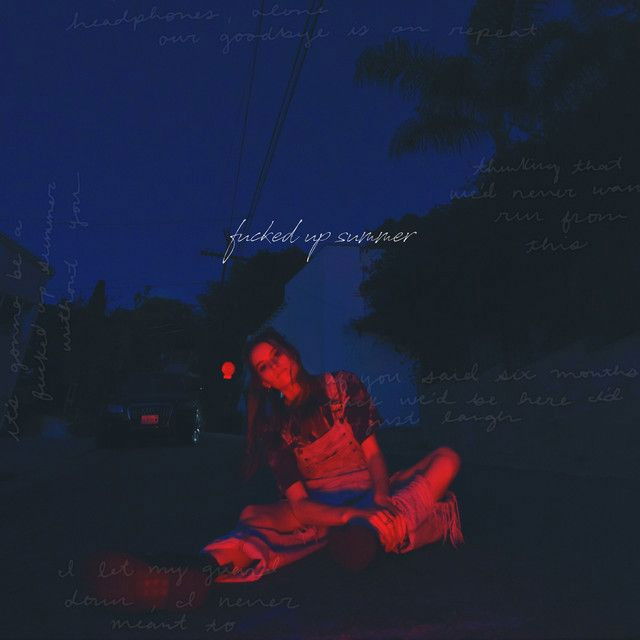
Fucked Up Summer by Rosie Darling
Breakups don’t take holidays. Rosie Darling’s single pins that truth to a timestamped season, turning sunny months into a mirror for grief. For readers looking for the meaning of Fucked Up Summer Rosie Darling, this guide unpacks how the lyrics, images, and production lock together to capture post-breakup whiplash.
"Fucked Up Summer" - Rosie Darling
Takin' me away from you
My bracelet, shoelaces
Loading lyrics...
Unable to load lyrics
We're unable to display the lyrics at this time. Please try again later.
When Sunshine Feels Heavy: The Song’s Core
At heart, this is a song about the mismatch between the world outside and the world inside. Summer promises freedom and fun, but the chorus admits it’s a fucked up summer
when someone is missing. The track follows a narrator who can’t stop replaying what was lost, even as new places, parties, and cities pass by.
Interpretation: Darling frames grief as a seasonal glitch. The brighter the day, the more the absence shows. That tension drives the refrain and gives the title its punch.

Watch the official Fucked Up Summer
music video
A Voice in Transit, Talking to the Past
The narrator speaks in first person to an ex, often mid-journey. Picture them in a back seat, taxi
, staring past streetlights. They try to regulate their mind by literally mapping exits, confessing they count the exit signs
. It’s a small, telling habit: control the route when the heart feels out of control.
They keep tokens of the relationship (bracelets, laces), and the keepsakes blur comfort and sting. The song shows how memory embeds in objects—and how hard it is to put those down.
Snapshots That Build the Story
Across the verses and hook, a few crisp scenes sketch the emotional arc:
- Runaway movement: cabs and highways suggest escape that never lands.
- Rituals of closeness: a flash of intimacy in
kissing your tattoos
makes the loss feel physical, not abstract. - Numbing attempts: the line about being
drunk in the bathroom
marks an unglamorous coping moment—alone, overwhelmed, offstage. - False restarts: headphones on, a goodbye on loop, hoping for sleep that won’t come.
- Constant motion: “a new city every night” hints at travel, maybe work, but emotional baggage stays checked in.
Each image is short, lived-in, and cinematic. Together, they make a travelogue of heartbreak.
Why the Hook Hits Harder Each Time
The chorus repeats with minor twists, but the message stays clear: the season is spoiled by longing. That cycling form mirrors obsessive thought patterns—returning to the same emotional intersection no matter which street they take. The repetition doesn’t just state pain; it documents how pain echoes.
Interpretation: The hook works like a diary entry scrawled across multiple days. Saying it again is part comfort, part curse.
Symbols That Do the Heavy Lifting
- Exit signs: Practical markers become a coping mechanism. Counting is a grounding technique and a metaphor for scanning for escape.
- Tattoos: Permanent ink stands for attachment. To kiss them is to touch commitment; losing that leaves phantom warmth.
- Malibu: A postcard setting that should feel carefree now carries weight, proving place can’t fix feeling.
- Headphones and replay: Technology becomes a grief ritual—looping the last goodbye.
- The haunting:
your ghost follows me
captures how memory inhabits rooms, rides in cars, and sleeps in hotel beds.
These motifs keep the song grounded in everyday reality while pointing to themes of attachment, dissociation, and restless motion.
Sound Choices That Match the Feeling
Darling’s vocal sits close and conversational, almost like a late-night call you shouldn’t make. The tempo sits in a midrange that lets lines breathe; it’s not a ballad collapse, but it’s not club-tempo denial either. Airy synths and reverb widen the space around her voice, echoing the lonely rooms and long roads in the lyrics.
When the hook lands, the melody lifts and the mix swells—stacked vocals, brighter top-end, and a firmer beat. That dynamic pop bloom heightens the diary-like confession and turns private ache into a shout-along line. The production makes the personal feel communal, which is why the title phrase stays in your head.
Alternate Readings Worth Considering
- Interpretation: Codependency snapshot. The repeated confession suggests identity blur—without the other person, the narrator can’t locate a stable self. The summer then symbolizes a season of forced self-redefinition.
- Interpretation: Touring blues. “A new city every night” may point to life on the road. The song could be about how mobility—meant to be exciting—intensifies isolation after loss.
Both readings fit because the lyrics stay specific to objects and moments rather than names or backstory, leaving room for the listener’s life to fill in the blanks.
The Line That Stays
The meaning of Fucked Up Summer Rosie Darling finally rests on one idea: love rewires routine. When it ends, even sunshine is suspect. By bottling that contradiction into vivid snapshots and a soaring hook, the song gives language to a season many have lived through—and survived.
Disclaimer: Song interpretations are subjective and based on lyrical and sonic analysis; only the artist and credited collaborators can confirm intent.








