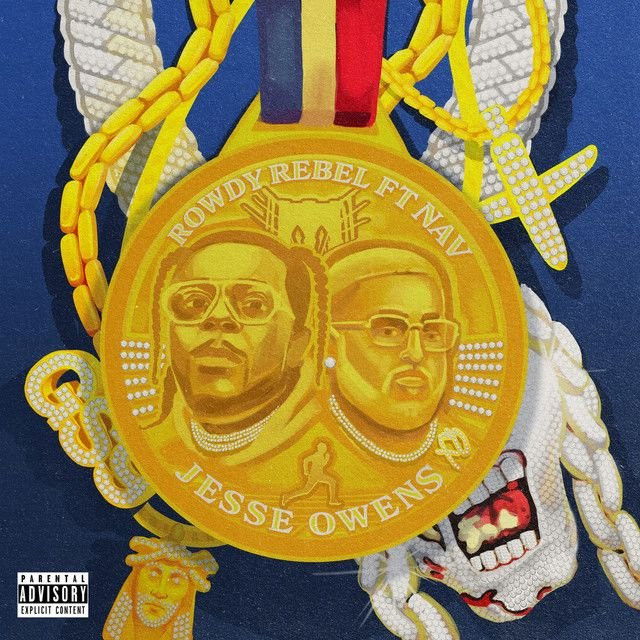
Why “Jesse Owens” Feels Like a Victory Lap
The meaning of Jesse Owens Rowdy Rebel, NAV starts with one big idea: this is a comeback song dressed like a flex anthem. On the surface, they rap about money, jewelry, women, and weapons. Under that surface, the track is really about returning with force, proving they still matter, and moving so fast that nobody can catch up.
"Jesse Owens" - Rowdy Rebel ft. NAV
Ayy, come on (grrt-baow)
Ayy (come on)
Loading lyrics...
Unable to load lyrics
We're unable to display the lyrics at this time. Please try again later.
Rowdy Rebel released “Jesse Owens” with NAV on February 12, 2021, just about two months after his prison release on December 15, 2020. That timing matters. According to publicly available career records, Rowdy Rebel served about six years before returning to music, and “Jesse Owens” was one of his earliest major post-release statements. That gives the song extra weight: they are not just bragging, they are reintroducing him.
The real message hiding inside the flexes
The hook gives away the central theme. When Rowdy says he is back in my zone
, they present a rapper who sees himself as locked in again after interruption. The phrase is simple, but it frames the entire song. This is about regained focus.
Then comes the title image: like I'm Jesse Owens
. They use the Olympic legend as a symbol of speed, excellence, and undeniable victory. In plain terms, Rowdy says he made money very quickly after landing back in the game. The comparison is not meant as a biography lesson; it is a shorthand for explosive momentum.
Interpretation: the song treats success like a race they are determined to win. Every detail—cash, chains, foreign cars, crew loyalty—supports that image of acceleration.

Watch the official Jesse Owens
music video
A post-prison reset, not a reflective memoir
What makes the song interesting is what it does not do. They do not slow down for deep confession. Instead, Rowdy Rebel turns reentry into aggression and confidence. He mentions being fresh out the can
, but he does not dwell on pain for long. They immediately shift back to movement, status, and readiness.
That choice fits Rowdy Rebel’s wider public story. He first broke out with Brooklyn’s GS9 movement and later returned to national attention through Pop Smoke’s “Make It Rain,” his first Billboard Hot 100 entry, before launching his own next chapter. In that context, “Jesse Owens” sounds like a statement that prison did not erase his identity.
Why the song feels tense instead of celebratory
Even while they boast, the track is full of paranoia and threat. The lyrics keep circling conflict, retaliation, and being prepared. When Rowdy warns against start no commotion
, they are not asking for peace. They are saying any disruption will be answered.
That creates a key tension in the song: success is never shown as safe. Wealth and danger sit side by side. The same verse that talks about money growth also talks about staying armed and alert.
How NAV fits the record’s meaning
NAV’s presence matters because he helps widen the track from a local comeback to a bigger rap-world alliance. Rowdy Rebel comes from Brooklyn drill and GS9. NAV comes from moody trap and melodic rap, with a style often centered on money, numbness, and luxury. Together, they make the song feel like a business partnership as much as a street record.
In the chorus, Rowdy says they are on a mission
to get cash. That line is important because it turns the collaboration into a shared objective. NAV is not there to change the story. They reinforce it: both artists frame success as relentless accumulation.
Interpretation: NAV helps make the song less personal and more symbolic. It becomes a two-man statement about momentum, not just one artist’s diary.
The hook turns speed into identity
The chorus is catchy because it repeats a few core images: focus, money growing, jewelry glowing, and going straight up. None of that is subtle, but it is effective. The repetition makes the song feel like a chant of self-belief.
Straight to the top
where we goin'
That brief moment sums up the track’s emotional logic. They are not describing a complicated destination. They are announcing upward motion as a fact.
This is why the Jesse Owens reference works so well. The point is not only speed. It is speed with direction. They are running toward the top, not just running away from the past.
Sound, production, and the cold mood
Even without full production credits widely confirmed in the provided context, the record clearly leans on a hard-edged trap/drill palette: heavy bass, sharp drums, and a chilly melodic backdrop. That sound matters to the meaning.
The beat leaves open space around the vocals, which makes every threat and boast hit harder. There is very little warmth in the instrumental. Instead, it feels icy, matching lines about frozen jewelry and emotional hardness.
That coldness supports the song’s worldview. They do not present success as joy or peace. They present it as armor. Diamonds shine, but they also act like proof of survival.
Symbols that carry the song
A few recurring motifs shape the track:
- Speed: the Jesse Owens comparison turns fast money into a mythic image.
- Ice and glow: chains and watches symbolize visibility, rank, and reward.
- Weapons: these suggest that status must be defended.
- Teams and sets: GS9 and XO references connect personal success to group identity.
Together, those motifs show a world where power must always be displayed. They are not just rich; they must look untouchable.
Final takeaway on the song’s meaning
The meaning of Jesse Owens Rowdy Rebel, NAV is less about one historical figure and more about what that name represents: speed, dominance, and winning under pressure. Rowdy Rebel uses that image to frame his reentry after prison as a sprint back into relevance.
At the same time, the song never lets listeners forget the cost of that mindset. Its lyrics tie success to vigilance, violence, and performance. Interpretation: that makes “Jesse Owens” both a brag record and a survival anthem.
This reading is an interpretation based on the lyrics, artist context, and the song’s sound; listeners may reasonably hear different emphases in the track.








