Why 'Listen To Your Heart' Still Hurts
The meaning of Listen To Your Heart Roxette comes down to one painful moment: someone must decide whether love is still real, or whether it is time to let go. Roxette turn that private question into a huge pop ballad, but the feeling at its center is simple. A relationship has dimmed, memories still matter, and the heart may know more than reason does.
"Listen To Your Heart" - Roxette
I get a notion from the look in your eyes, yeah
You've built a love but that love falls apart
Loading lyrics...
Unable to load lyrics
We're unable to display the lyrics at this time. Please try again later.
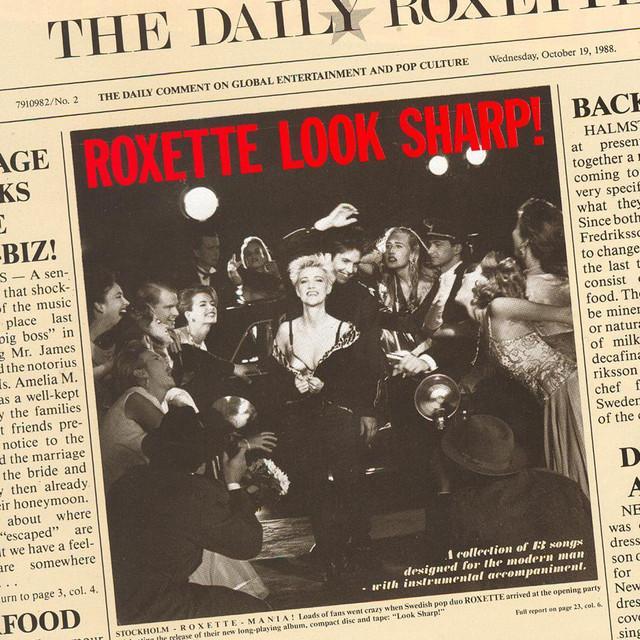
Released by Roxette in 1988 on Look Sharp! and written by Per Gessle and Mats Persson, the song became one of the duo's biggest global hits. Roxette's rise in the late 1980s is well documented in official band history and chart records, which show how strongly this track traveled beyond Sweden into the U.S. pop mainstream.
A Love Song About the Edge of Goodbye
At its core, the song is not about perfect romance. It is about uncertainty. The speaker notices signs that something has changed. Early lines point to a smile and a look that hide pain, suggesting that the person being addressed is trying to hold together a love that is already breaking down.
That is why the song feels heavier than a standard love ballad. It is not celebrating love in the present tense. It is watching love become fragile. When the chorus says Listen to your heart
, it is not offering a sweet cliché. It is giving urgent advice before a life-changing choice.
Interpretation: the song speaks to someone who already knows the relationship is in trouble but has not fully admitted it yet. The heart, in this case, is not blind passion. It is the last honest voice left.

Watch the official Listen To Your Heart
music video
Who They Are Singing To
The lyrics use direct address, but the emotional setup is layered. The speaker seems close enough to see the other person's distress, yet distant enough that they cannot decide for them. That tension matters.
When the song mentions before you tell him goodbye
, it frames the whole story around a looming farewell. The speaker is not commanding someone to stay. They are asking them to pause and be truthful with themselves first.
The Emotional Timeline in Brief
- The speaker sees hidden hurt.
- They recognize a love that is falling apart.
- They remember better, brighter days.
- They urge one final act of honesty.
- The decision remains open.
That last point is key. The song does not fully answer whether the person should leave or stay. Its power comes from leaving that choice unresolved.
Why the Chorus Feels So Universal
The chorus is famous because it turns a personal crisis into language almost anyone can use. A person does not need the full story to understand the feeling. They only need to know what it means to stand between memory and reality.
The line there's nothing else you can do
sounds extreme, but that is part of the drama. In real life, people do make lists, ask friends, and try to think clearly. But songs often compress emotion, and Roxette capture the moment when analysis stops helping.
Interpretation: the chorus is less anti-logic than anti-denial. It says that once the truth is felt deeply enough, avoiding it becomes impossible.
The Images That Carry the Message
The verses use simple but effective imagery. A smile hides trouble. A once-bright love turns dark. Precious moments are lost like they were pulled away by water. These are easy pictures, but they work because they mirror emotional erosion.
One especially important phrase is voices that want to be heard
. That suggests inner conflict. There are feelings, memories, and doubts all competing for attention, yet the person cannot easily speak them aloud.
Another strong image is love that was wilder than the wind
. That line reaches back to passion and freedom. It shows that the relationship was not always tired or painful. The past was vivid, which makes the present loss hurt more.
How Roxette's Sound Deepens the Meaning
Part of the meaning of Listen To Your Heart Roxette comes from its production. The song is built like a power ballad, with broad keyboards, steady drums, and a vocal performance that keeps growing in force. Marie Fredriksson sings with both control and ache, making the advice in the lyric feel lived-in rather than abstract.
That matters because the arrangement turns inner doubt into something cinematic. The track starts from emotional observation, then rises into a chorus big enough to feel like fate. This was one of Roxette's great strengths as a duo: Per Gessle wrote hooks with pop clarity, while Marie Fredriksson gave them emotional weight.
Two Strong Ways to Read the Song
There are at least two fair readings of the song:
- Interpretation 1: It encourages someone to save a relationship if real feeling still remains.
- Interpretation 2: It encourages someone to leave, but only after making sure the goodbye is emotionally honest.
Both readings fit because the song never says that the heart will choose reunion. It only says the heart should be heard.
Why the Song Still Connects
This song lasts because it understands a common human problem: people often know something emotionally before they can explain it. Roxette gave that feeling a huge melody and a clear message, but they did not oversimplify the pain.
In the end, the meaning of Listen To Your Heart Roxette is about emotional truth at the moment of decision. It is about listening closely when love becomes hard to name and even harder to keep.
Disclaimer: This interpretation is based on the released lyrics, Roxette's recorded performance, and widely known career context. Like many pop songs, its meaning can remain open to personal reading.








