
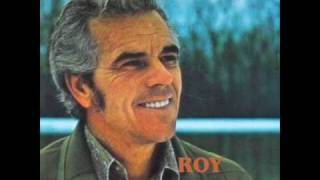
Jody and the Kid by Roy Drusky
They don’t write time capsules much better than this. Written by Kris Kristofferson and first popularized by Roy Drusky in 1968, “Jody and the Kid” compresses a whole life—childhood, first love, parenthood, and absence—into a few vivid scenes. If you’re searching for the meaning of Jody and the Kid Roy Drusky, it’s a story about how a community’s memory can bless you and break you in the same breath.
"Jody And The Kid" - Roy Drusky
Waitin' patient by the China berry tree
With her feet already dusty from the pathway to the levee
Loading lyrics...
Unable to load lyrics
We're unable to display the lyrics at this time. Please try again later.
A Riverbank Memory That Grows Into a Life
At its heart, the song traces a relationship from youthful shadowing to adult intimacy and, finally, to a bittersweet echo. A little girl follows the narrator to the levee, and townspeople notice. Years later, she becomes his partner; later still, he walks that same path with their child. The refrain everyone once used as a warm nickname now stings.
Interpretation: The core meaning is the passage of time and how love turns into lineage. The community’s pet phrase becomes a mirror—what was once pride is now a reminder of what’s missing.
Watch the official Jody And The Kid
music video
Who Tells the Story, and Why It Stings
The narrator speaks in first person, grounded in simple, local details: the China berry tree
, the dusty path, the river levee. Those images are anchors of place—unfancy and unforgettable. The town’s voice arrives in a single line that serves as the hook and emotional barometer:
Looky yonder there goes Jody and the kid
Early on, that line reads like a smile. By the final verse, it lands as a little ache. They still say it, but the we—this couple—has become he and a child.
From Tagging Along to Family Ties: The Timeline
- Childhood: She trails him to the riverbank, feet dusty,
blue jeans rolled
—an image of innocence trying to keep up. - Young love: As years pass, the two are seen
holding hands
along the levee. The town watches affectionately. - Coming of age: The lyric marks her transformation—she’s
changing to a woman
—and the narrator says he’s become a man. Private tenderness replaces childhood mimicry. - Present day: He returns on Sundays with
another little girl who follows me
, reflecting the cycle of life. The refrain returns, but it’s lonelier now.
Interpretation: The song compresses decades into a handful of Sunday walks. It’s not about big drama; it’s about ordinary rituals that become sacred in hindsight.
Symbols That Do the Heavy Lifting
- River and levee: Durable landmarks that don’t move, even as people do. They measure change by staying the same.
China berry tree
: A humble meeting place. It signals childhood routine and a small-town loop where everyone knows.Blue jeans rolled
: Practical, visual shorthand for a kid trying to be part of the grown-up world.- Sunday walks: Ritual and remembrance. Sunday carries a quiet church-bell tone—community, rest, and reflection.
- The refrain: A communal nickname that morphs from a badge of togetherness into a public reminder of loss.
How the Sound Frames the Story
Drusky’s version leans into the late-’60s Nashville Sound: a gentle waltz feel with soft piano, a restrained rhythm section, and light strings. His smooth baritone sits calm and centered, letting the pictures do the work. The brief piano interlude underlines the pause between memory and present, like a breath you take before saying something difficult.
Interpretation: The polished arrangement sands down sharp edges, making the grief bearable. Instead of high drama, the track offers steady warmth, which deepens the nostalgia and keeps the story universal.
From Drusky’s Hit to Kristofferson’s Own Cut
Fact: Kristofferson wrote “Jody and the Kid” and later recorded it himself in 1971. Before that, Roy Drusky’s 1968 single turned the song into a radio staple. Kristofferson’s rendition carries his huskier storyteller tone, while Drusky’s reads like a front-porch memory with studio shine.
Interpretation: Hearing both shows how delivery steers meaning. Drusky emphasizes tenderness; Kristofferson leans into the ache. Either way, the song’s spine—small details, big feelings—stays intact.
Two Plausible Readings of the Ending
- Loss through death: The absence feels permanent; the community’s refrain keeps her memory alive, which can be both comfort and wound.
- Separation or drift: Life happened; she’s gone another way. The phrase lives on as a town habit, a reminder that the past doesn’t stop when people change.
Both readings fit because the lyric resists hard answers. That ambiguity is why listeners can pour their own history into the levee walk.
The Takeaway They’ll Remember
If you want the meaning of Jody and the Kid Roy Drusky in one line: it’s a love song about time. The town’s voice blesses a couple, then haunts a father—proof that memory is a chorus you can’t always choose.
Disclaimer: Song meanings are interpretive and may differ from the artist’s intent.