
Why Roy Orbison’s “Dream Baby” Feels So Restless
Roy Orbison recorded plenty of songs about longing, but few sound as deceptively light as “Dream Baby (How Long Must I Dream).” For listeners searching for the meaning of Dream Baby (How Long Must I Dream) Roy Orbison, the key is simple: it is a love song about frustration, not comfort. The singer is stuck between fantasy and reality, asking when desire will finally become a real relationship.
"Dream Baby (How Long Must I Dream)" - Roy Orbison
Dream baby got me dreamin' sweet dreams the whole day through
Dream baby got me dreamin' sweet dreams in nighttime too
Loading lyrics...
Unable to load lyrics
We're unable to display the lyrics at this time. Please try again later.
Released as a non-album single in 1962 and written by Cindy Walker, the song became one of Orbison’s major early hits, reaching No. 4 on the Billboard Hot 100 and No. 2 in both the UK and Australia, according to Wikipedia’s song entry. That success matters because it shows how well the song translated a private feeling into a pop hook that many people recognized at once.
A Love Song About Being Trapped in Waiting
At its core, “Dream Baby” is about a person who cannot stop imagining life with someone they love. The problem is that dreaming is all they have. The repeated plea how long must I dream
turns the song from sweet daydreaming into emotional suspense.
The narrator is not celebrating fantasy. They are exhausted by it. When the song says the whole day through
and later points to nighttime too, it suggests that this crush has taken over every hour. Love is no longer a passing thought; it has become a loop.
Interpretation: This is why the song feels more anxious than innocent. The title includes the word “dream,” but the emotional center is really about delay. The singer wants change, not just romance in their imagination.
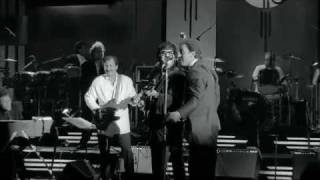
Watch the official Dream Baby (How Long Must I Dream)
music video
Cindy Walker’s Sharp, Simple Writing
A big reason the song works is Cindy Walker’s economy as a songwriter. She says a lot with very little. Rather than filling the lyric with detailed scenes, she builds the song around one clean problem: the beloved exists vividly in the singer’s mind, but not yet in their arms.
That is why lines like that won’t do
hit so well. It is a plain phrase, but it shifts the song. Instead of passive pining, the narrator makes a judgment. Dreaming is no longer enough.
The Speaker’s Emotional Arc
The song moves fast, but it still has a clear emotional shape:
- The singer admits they are constantly dreaming.
- They reveal the dream is tied to love.
- They reject fantasy as a substitute for reality.
- They beg for those dreams to come true.
That final turn gives the song its emotional kick. The phrase make my dreams come true
sounds familiar in pop music, but here it lands as a desperate request, not a cliché.
Why the Chorus Sounds Sweet but Feels Urgent
One of Orbison’s great strengths was making sadness sound beautiful. “Dream Baby” uses that gift in a compact, radio-friendly form. The hook repeats sweet dream baby
, which sounds tender on the surface, almost playful. But repetition changes its meaning.
Each return to that phrase feels less like flirtation and more like obsession. The singer keeps circling the same words because they are emotionally stuck. They cannot move forward until the dream becomes real.
Sweet dream baby
how long must I dream
Those two short lines hold the whole song together. One is affectionate; the other is impatient. Put together, they create the tension that makes the record memorable.
The Sound Tells the Story Too
The production matters just as much as the lyric. Recorded on January 9, 1962, at RCA Victor Studio B in Nashville and released on February 10 by Monument Records, the track pairs Orbison’s yearning voice with an upbeat rockabilly frame, as documented in recording details. Producers Fred Foster and Roy Orbison keep the arrangement lean and lively.
That contrast is the secret. The rhythm moves briskly, the guitar lines bounce, and Boots Randolph’s sax helps give the song lift. Instead of dragging under the weight of longing, the record pushes forward. It sounds like a heart that will not sit still.
This matters because the narrator is restless. A slower arrangement might have made the song purely sad. Here, the beat suggests hope and agitation at once. They are lovesick, but they are still leaning toward the future.
Orbison’s Vocal Balancing Act
Orbison does not oversing the track. He keeps the delivery controlled, which makes the yearning sharper. Rather than sounding broken, they sound caught between confidence and need.
That balance fits the lyric perfectly. The singer is vulnerable enough to beg for love, but direct enough to say fantasy alone is unacceptable. Orbison’s voice keeps those two feelings in play at the same time.
A Small Story With a Universal Theme
Part of the lasting appeal of “Dream Baby” is how universal its situation is. Many love songs focus on heartbreak after something ends. This one focuses on the stage before love becomes real. It captures the ache of wanting, hoping, and waiting.
Interpretation: The song can also be heard as being about emotional projection. The beloved may be real, but the relationship still exists mostly in the singer’s mind. In that reading, the song is not only about romance. It is about the gap between desire and reality.
That may explain why the song traveled so well and inspired covers by artists from Glen Campbell to Del Shannon. Its setup is timeless: someone imagines a future so intensely that imagination starts to feel like a burden.
What “Dream Baby” Ultimately Means
The meaning of “Dream Baby (How Long Must I Dream)” Roy Orbison comes down to this: love becomes painful when it cannot leave the mind and enter real life. The song turns a catchy hook into a portrait of longing that feels both bright and uneasy.
Its genius is in that mix. The words are simple, the melody is inviting, and the arrangement is energetic. Yet underneath all of it is a person asking how long hope can survive without fulfillment.
That tension is what gives the song its staying power.
Disclaimer: This interpretation is based on the released lyrics, recording context, and historical sources. As with most songs, listeners may hear meanings that go beyond or differ from this reading.







