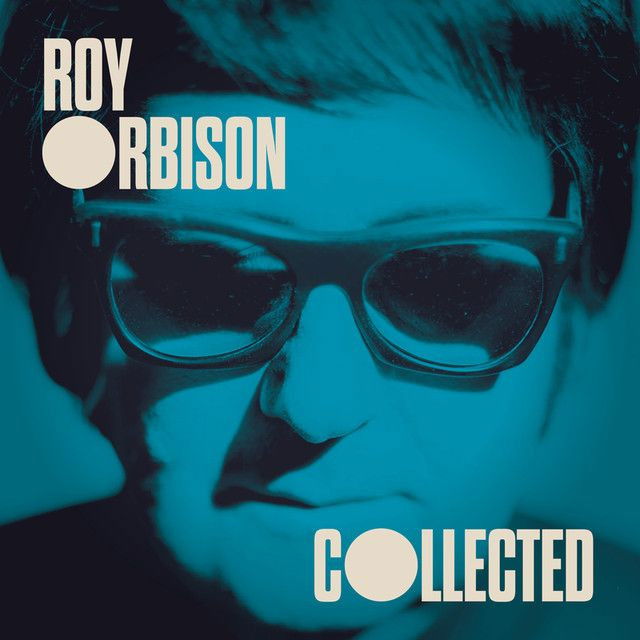
Why Roy Orbison's '(Say) You're My Girl' Feels So Urgent
A love song with a complication
The meaning of (Say) You're My Girl Roy Orbison starts with a simple scene and then turns uncomfortable. The singer asks for a dance, learns that the woman has just been hurt by another man, and quickly reveals that he has loved her all along. That gives the song both sweetness and selfishness.
"(Say) You're My Girl" - Roy Orbison
How have you been, girl?
Hold me, and then girl
Loading lyrics...
Unable to load lyrics
We're unable to display the lyrics at this time. Please try again later.
On the surface, it sounds like a direct plea for romance. But underneath, it is also about timing, rivalry, and desire breaking through good manners. The narrator wants to comfort her, yet he also sees an opening. That tension is what makes the song interesting.

Watch the official (Say) You're My Girl
music video
What is happening in the lyrics?
The song unfolds almost like a short conversation at a dance hall. It begins politely, with a request to dance and a check-in on how she has been. Then the narrator finds out she and another man are over, and the emotional temperature rises fast.
A key turning point comes when he learns the other man was unfaithful. He reacts with shock and anger, but the lyric also shows a personal conflict: that man is my best friend
. In one line, the song turns from flirtation into betrayal and moral messiness.
From there, the singer stops pretending he is only being kind. He admits, in effect, that he has been waiting for this chance. When he asks her to be my girl
, the hook is not casual. It is the release of feelings he has been holding back.
The heart of the song: comfort mixed with hunger
A narrator who means it—but also rushes it
One reason the song feels emotionally real is that the narrator is not cool or controlled. He is overwhelmed. He hears bad news and instantly tries to turn heartbreak into a new beginning.
That is why phrases like I've waited for this day
matter so much. They show that this is not a random flirtation. He has wanted her for a long time. At the same time, that confession can sound awkward, because her breakup is still fresh.
Interpretation: the song is about genuine love arriving at the worst possible moment. The narrator believes he can treat her better, but he is also thinking about his own wish coming true. Roy Orbison often sang from a place of longing and vulnerability, and this song fits that pattern even when it is more forward than his sad ballads.
How specific details build attraction
The lyric does not stay only in emotional language. It also moves into physical admiration, praising her big eyes
and other features before praising her personality too. That mix tells listeners that his love is both idealized and immediate.
This matters because the song is not abstract. He is not singing about love in general. He is singing about one woman standing right in front of him, in a room where music is playing and choices are being made. The invitation to dance the night away
suggests escape, but also a kind of public claim: if she says yes, everybody will see the change.
Orbison context helps explain the emotion
Roy Orbison was known for emotionally exposed songs and a voice that could carry heartbreak without losing strength. According to his career history at Wikipedia, 22 of his singles reached the Billboard Top 40 from 1960 to 1966, and his best work from the Monument era often paired vulnerability with dramatic arrangements.
That context matters here. Even when Orbison sings something assertive, listeners tend to hear the ache underneath. He was unlike many early rock singers because he often sounded wounded, tender, and intense all at once. In songs shaped by the Monument team, including producer Fred Foster and engineer Bill Porter, his records often used strings, close backing vocals, and rising drama rather than a rough rockabilly attack. That broader production style helps explain why a direct song like this can still feel romantic instead of purely possessive.
How the sound carries the meaning
Even without a full production breakdown here, the writing points toward a lively, dance-floor setting. The opening invitation, the repeated title line, and the push toward nighttime dancing give the song motion. It is not still and lonely; it is active and immediate.
That energy changes how the lyrics land. If these same words were sung slowly, they might sound darker. In a brighter arrangement, they feel like an urgent leap into possibility. Orbison's vocal style likely does the rest: his phrasing often made desire sound vulnerable rather than arrogant.
A song about love—or about winning?
This is where the most useful reading becomes a little complicated.
Interpretation 1: the song is sincere. The narrator has loved her quietly, sees that she has been mistreated, and finally tells the truth. In this reading, the repeated claim you're my girl
is less about ownership than longing for commitment and reassurance.
Interpretation 2: the song is also about seizing a chance. He hears she has been cheated on and moves quickly, almost too quickly. In that reading, the song captures a messy human reaction: someone else loses, and he sees a path to getting what he wants.
Both readings can be true at once. That is why the song still has bite.
Hello, may I have this dance with you?
Tell me, now, is it true?
Those brief lines show the whole structure: invitation first, revelation second. Romance in this song depends on bad news.
Final takeaway on the song's meaning
The meaning of (Say) You're My Girl Roy Orbison is not just that a man wants the woman he loves. It is that he has wanted her in silence, learns she has been hurt, and rushes to turn sympathy into love. The song lives in that uneasy space between devotion and opportunity.
That mix of tenderness, jealousy, and sudden hope gives it its charge. They are hearing a narrator who may truly love her, but who also cannot hide how badly he wants this moment to become his.
Disclaimer: This interpretation is based on the released lyrics, Roy Orbison's wider artistic style, and available historical context. Song meaning can remain open to different readings.








