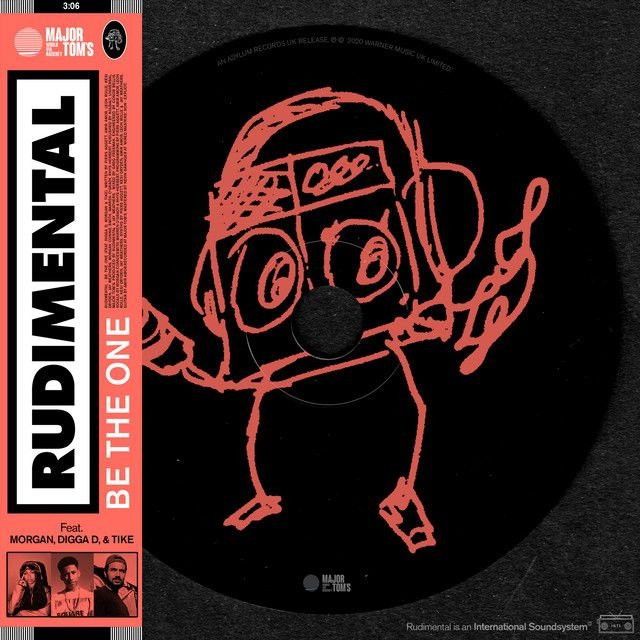
Why 'Be the One' Hits as a Boundary Song
The meaning of Be the One Rudimental, MORGAN, Digga D, TIKE comes down to a hard emotional truth: wanting someone back is not the same as trusting them again. The song lives in that painful space between chemistry and self-protection.
"Be the One" - Rudimental, MORGAN, Digga D, TIKE
Oh-oh, oh, oh, oh-oh
Every time you show up, yeah
Loading lyrics...
Unable to load lyrics
We're unable to display the lyrics at this time. Please try again later.
Released in December 2020 and later included on Rudimental’s 2021 album Ground Control, the track brought together the group’s dance-floor polish with a more tense, modern edge. According to Rudimental’s documented history, the British group built their name on blends of drum and bass, soul, house, and electronic music, making them a strong fit for a song that sounds emotional but still moves fast (Wikipedia).
A breakup song with one foot on the doorstep
At its core, the track is about refusing to reopen a relationship just because the other person has come back around. The main voice knows the pattern: this person appears, stirs up old feelings, then asks for another chance. But the singer is no longer willing to confuse desire with commitment.
That is why lines like always after midnight
matter so much. Paraphrased, the song suggests this person only reaches out in off-hours, when loneliness is high and accountability is low. That detail turns a simple apology into a warning sign.
The same goes for just words
. The lyric reduces all those love claims to talk without action. In plain terms, the song says promises are cheap when the relationship history says otherwise.

Watch the official Be the One
music video
The emotional argument inside the verses
One reason the song works is that it does not present healing as easy. The singer still feels the pull of the past. There is memory, attraction, and maybe even affection left. But they now measure the relationship against something bigger: self-worth.
That shift is clearest in know my worth
. Paraphrased, the speaker has stopped asking whether the other person wants them and started asking whether that person is actually good for them. That is a major emotional upgrade.
Two voices, two shades of pain
Interpretation: The song seems to hold more than one point of view. One side is firm and guarded, stressing betrayal and boundaries. Another side sounds more reflective, even guilty, especially in the section about how both people were hurt.
That matters because it keeps the song from becoming a simple villain story. Instead, it sounds like two people who cannot repair what they broke, even if some feelings remain.
Too much been saidtoo much been done
Those short lines, taken together, sum up the emotional timeline. The problem is not one mistake. It is accumulated damage.
What the hook really asks
The repeated question about whether someone could be the one
is more serious than it first sounds. On the surface, it sounds romantic. Underneath, it is almost a test.
The song is not asking, “Do you want me?” It is asking, “Can you finally show up in a real way?” That difference is the heart of the track.
Interpretation: The chorus may be intentionally double-edged. It leaves room for hope, but it also sounds skeptical. The repetition makes the question feel less like a dreamy fantasy and more like a challenge the other person keeps failing.
Digga D’s verse adds pride and distance
Digga D’s feature shifts the song’s center of gravity. His verse is less about tender repair and more about motion, status, memory, and self-definition. That contrast is useful.
Instead of softening the song, the verse hardens it. It adds a sense that identity outside the relationship matters too. Pride, place, reputation, and survival all sit beside romance. In other words, the track is not only about love gone wrong; it is also about the kind of self a person builds after disappointment.
This blend was part of the single’s appeal when Rudimental released it with MORGAN, TIKE, and Digga D in late 2020, a collaboration noted in coverage around the Ground Control era (Wikipedia). Rudimental’s history of pairing emotional singers with rappers makes this balance feel intentional.
Why the production makes the message stronger
Rudimental have long worked in high-energy genres, and that style matters here. The beat pushes forward, but the vocals carry hesitation and bruised feeling. That contrast mirrors the song’s theme: outward momentum, inward doubt.
The polished electronic rhythm keeps the track catchy, while the vocal delivery gives it emotional friction. MORGAN’s singing brings ache and clarity; the rap sections bring edge and realism. Together, they make the song feel like a late-night argument turned into a club record.
Final take on the song’s meaning
The meaning of Be the One Rudimental, MORGAN, Digga D, TIKE is not really about reunion. It is about standards. The song recognizes attraction, history, and regret, but it keeps coming back to one idea: love that only appears when convenient is not enough.
That is why the track lands with so many listeners. It turns a familiar breakup setup into something sharper. They are not just mourning what happened. They are deciding what they will no longer accept.
Disclaimer: This interpretation is based on the released lyrics, performance choices, and publicly available artist context. As with most songs, listeners may hear meanings that differ from this reading.








