Why 'Peter Piper' Is a Hip-Hop Masterclass
When people ask about the meaning of Peter Piper Run–D.M.C., the short answer is simple: it is a victory lap for rap technique, DJ skill, and old-school hip-hop confidence. The song sounds playful because it borrows from nursery rhymes and folk tales, but beneath that humor is a serious display of control.
"Peter Piper" - Run–D.M.C.
Humpty Dumpty fell down, that's his hard time
Jack B. Nimble, what, nimble, and he was quick
Loading lyrics...
Unable to load lyrics
We're unable to display the lyrics at this time. Please try again later.
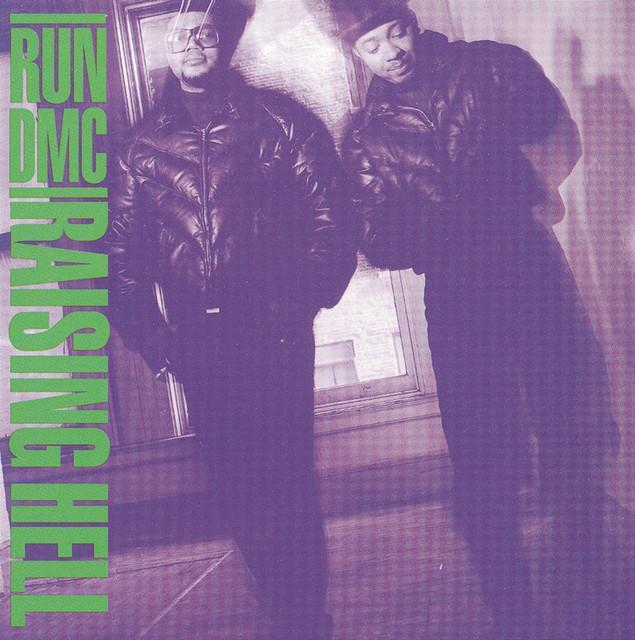
Released on Raising Hell in 1986, Peter Piper
became one of the clearest examples of how Run-D.M.C. could make minimal production feel huge. According to Songfacts, the track also works as a showcase for Jam Master Jay, with Run and DMC using their verses to praise his turntable ability while he drives the record forward.
A Children’s Rhyme Turned Into Street-Level Bragging
At the heart of the song is a clever switch. Run-D.M.C. take familiar childhood characters and turn them into a language game for hip-hop. They mention figures like Humpty Dumpty, Bo Peep, and Pinocchio, but not to retell those stories. Instead, they use those references as building blocks for punchlines, comparisons, and boasts.
That is why the song opens with the famous tongue-twister idea of Peter Piper picked peppers
and immediately twists it into a rap claim. The point is not the nursery rhyme itself. The point is that Run can out-rap the old rhyme and remake it in his own image.
Interpretation: this gives the song two layers at once:
- It sounds funny and familiar.
- It proves that rap can transform common language into art.
That mix of play and precision is a big part of the song’s appeal.
Watch the official Peter Piper
music video
Jam Master Jay Is the Real Hero
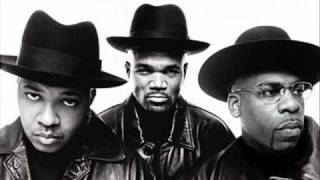
A key part of the meaning of Peter Piper Run–D.M.C. is that it doubles as a tribute to Jam Master Jay. Again and again, the song shifts from fairy-tale wordplay to direct praise of the group’s DJ. They call him the king of the crossfader
and frame his skill as almost magical.
This matters because early hip-hop was never only about the MC. The DJ was central. In Peter Piper
, Jay is not a background player; he is the engine. The lyrics keep insisting that his cuts, timing, and speed make the whole performance possible.
One compact passage sums that up:
Everything that he touched, turned to gold
That line paraphrases the song’s larger message: Jay’s touch improves everything around him. It is mythmaking, but it is also a statement about group identity. Run-D.M.C. present themselves as strong because all three members matter.
Why the Beat Feels So Sharp
The production carries the song’s meaning as much as the words do. Songfacts notes that the beat draws from Bob James’ 1975 track Take Me to the Mardi Gras, especially its famous bell sound. Those bells became a staple in hip-hop history, and Run-D.M.C. reportedly linked them to the phrase “Hell’s Bells,” tying the sound to the Raising Hell album.
The effect is powerful because the beat is not crowded. It leaves space. That sparseness puts pressure on every rhyme and every scratch. When the group boasts, the production makes those claims sound earned rather than buried under decoration.
Interpretation: the hard, open beat mirrors the group’s style—direct, stripped-down, and confident. They do not need lush arrangements to prove their strength.
The Song Is a Flex, but It Is Also a Statement
On one level, this is a classic brag rap. The group says they are better, faster, sharper. Even the fairy-tale comparisons become ways to put other performers below them. When they flip the idea of the big bad wolf
and explain that bad means good, they are playing with language while also defining their own style.
But there is a larger message too. In the mid-1980s, Run-D.M.C. were helping move hip-hop deeper into the mainstream. Songfacts says the song charted at No. 62 and highlights how it showcased sampling and turntable manipulation as major elements of the era. So the record is not just personal bragging. It is also a demonstration of what hip-hop can do.
They take old stories, a classic sampled groove, and live DJ technique, then fuse them into something modern. That makes the song feel like a mission statement: rap is inventive, musical, funny, and technically demanding.
What the Nursery-Rhyme Motif Really Means
The repeated storybook imagery gives the track unity. These references are not random. They create a world where childhood memory meets streetwise performance. That contrast helps the group sound accessible and intimidating at the same time.
In plain terms, they are saying: they can use even the most innocent material and still dominate it. A line like the turntables might wobble
turns a simple image into a claim of balance and control. Things may shake, but they do not collapse.
That image also fits the group’s wider persona. Run-D.M.C. often sounded grounded, tough, and impossible to knock over.
Why “Peter Piper” Still Matters
The song has lasted because it captures several truths about early rap in one performance: verbal agility, group chemistry, DJ excellence, and the art of making less feel like more. After Jam Master Jay’s death in 2002, many stations played the song in tribute, according to Songfacts. That detail adds emotional weight in retrospect, because the track preserves him at full command.
For modern listeners, the meaning of Peter Piper Run–D.M.C. is not hidden. It is right on the surface, delivered with swagger. They are celebrating skill—especially Jay’s—and proving that hip-hop can turn folklore, rhythm, and attitude into a single, unforgettable statement.
Final Take
So what is Peter Piper
really saying? Factually, it is a rap showcase built on nursery-rhyme references, a famous sampled bell pattern, and repeated praise for Jam Master Jay. Interpretation: it also argues that mastery can look effortless, playful, and cool.
That is why the song still hits. It teaches while it boasts, entertains while it demonstrates, and makes technical excellence sound like fun.
Disclaimer: This interpretation is based on the lyrics, historical context, and documented production details. As with any song, listeners may hear meanings that differ from this reading.







