Why ‘Run’s House’ Still Claims the Room
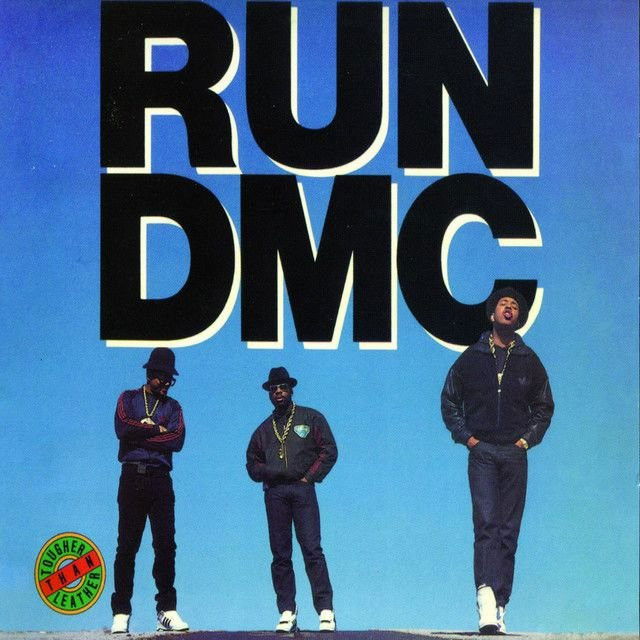
The meaning of Run's House Run–D.M.C. starts with a simple idea: this is a declaration of ownership. Not ownership of a building, but of a stage, a sound, and a moment in hip-hop history. Released in 1988 as the lead single from Tougher Than Leather, the song became that album’s highest-charting single and reached No. 10 on the Hot R&B/Hip-Hop chart, helping prove the group still knew how to command attention after Raising Hell.[^1]
"Run's House" - Run–D.M.C.
But I want y'all to know one thing-this is....<DMC> My House
And when I say who's house, y'all know what time it is.
Loading lyrics...
Unable to load lyrics
We're unable to display the lyrics at this time. Please try again later.
More than anything, “Run’s House” sounds like a coronation speech delivered over drums and swagger. Run–D.M.C. are not asking for permission. They are telling listeners who runs the room.
The Main Idea Behind the Boast
At its core, the song is about authority in rap. The famous call-and-response hook, Who’s house?
followed by Run’s house!
, turns the track into a public ceremony. The crowd is not just listening; they are confirming Run’s status out loud.
That matters because the verses build a case for why that title belongs to them. They frame themselves as artists who helped move rap from something critics dismissed into something powerful and crowd-moving. When the song refers to people who said rap was worthless, it is pushing back against early doubt and claiming victory over it.
Interpretation: the “house” works as a metaphor for hip-hop itself. Run is saying that when it comes to this arena, they helped build it, define it, and headline it.
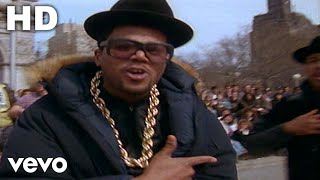
Watch the official Run's House
music video
A Victory Lap After Hip-Hop Doubt
One of the song’s sharpest themes is respect. Early in the track, Run points to a time when outsiders mocked rap, then contrasts that with the success and influence Run–D.M.C. now hold. That is why lines about being number one for fun
do more than brag. They present dominance as earned through performance, style, and cultural impact.
This was not an empty claim in 1988. By then, Run–D.M.C. had already helped bring hip-hop into the mainstream through crossover hits, MTV exposure, and major brand visibility, especially with Adidas.[^2] “Run’s House” turns that larger story into a battle cry.
The song also separates their success from street posturing. Run stresses skill, crowd control, and reputation over violence. Even when the verses sound aggressive, the contest is artistic. The message is simple: let weaker rappers talk, but the real proof is onstage.
Why the Hook Hits So Hard
The chorus is one reason the song lasted. Its repeated challenge-and-answer format is built for concerts, gyms, movies, and sports arenas. That is part of why the track kept living beyond its original release, later becoming the theme for Joseph Simmons’ reality show Run’s House and showing up in pop culture references for years.[^1][^2]
Who’s house?Run’s house!
This short exchange captures the whole song’s meaning. It is communal, competitive, and instantly memorable. A lot of rap songs declare greatness, but this one turns that claim into a chant others can join.
Interpretation: the hook matters because it transforms ego into shared energy. The audience helps build the myth.
How Run and D.M.C. Split the Message
Run takes the lead in presenting the royal persona, but D.M.C.’s verse helps widen the song’s meaning. When D.M.C. describes himself as an all-time great and says others want to be close to greatness, he supports the bigger claim that Run–D.M.C. are not just popular rappers. They are a standard other artists chase.
That balance is important. The title puts Run in front, but the performance still feels like a crew statement. Even the repeated I’m in the house y’all
works like a stage entrance for the whole group, not just one voice.
Jam Master Jay’s presence also matters, even without a verse. Run–D.M.C. songs often gain force from the sense that the group is a unit: two commanding MCs and a DJ whose cuts, timing, and identity are part of the brand.
The Production Turns Bragging Into Power
The beat helps explain why the record feels so large. According to available credits, “Run’s House” was produced by Run–D.M.C. and Davy DMX rather than the Russell Simmons/Rick Rubin team behind much of Raising Hell.[^1][^2] The production leans into hard drums, forceful rhythm, and a stripped-down attack that leaves room for every boast to land.
Sources also note elements associated with classic breakbeats, including “Ashley's Roachclip” and “Funky Drummer,” plus a vocal touch from Slick Rick-related material.[^2] That matters because the song feels built from hip-hop’s own bones. Its sound is not soft or polished. It is percussive, direct, and made for movement.
The horns and drum breaks give the song a public feel, almost like a parade for self-coronation. When the beat hits under phrases like hard rock hard hitting
, the record connects rap to physical force without losing dance energy.
A Performance Anthem With a Long Afterlife
Part of the meaning of Run's House Run–D.M.C. is its durability. This is a song about owning the present, yet it kept finding new uses later. The intro has been used for BET Cyphers, and the hook has been adapted in sports and entertainment settings.[^1] That long afterlife shows how strong the original concept was.
It also explains why the song remains a classic even though Tougher Than Leather is often discussed in the shadow of Raising Hell.[^2] “Run’s House” survived because its message is bigger than its album cycle. It captures a permanent rap instinct: claim the mic, claim the room, and make the crowd repeat your name.
Final Take on Its Meaning
In the end, “Run’s House” is about earned dominance. It argues that Run–D.M.C. belong at the center of hip-hop because they brought skill, style, and staying power when the genre still had doubters.
Interpretation: the song is both a boast and a defense of rap’s legitimacy. By turning one artist’s name into a public chant, it celebrates the rise of a group and the rise of hip-hop itself.
Meaning in songs can vary by listener, and this reading is an interpretation based on the lyrics, performance, and historical context.
[^1]: Wikipedia, “Run's House (song)” [^2]: Songfacts, “Run's House by Run-D.M.C.”







