Why Rush's 'Cinderella Man' Honors Unlikely Heroes
Rush’s “Cinderella Man” sounds bright and energetic, but its message is more serious than the title first suggests. The meaning of Cinderella Man Rush centers on a wealthy man who chooses compassion over status, then gets mocked for it. Instead of praising greed, the song celebrates moral action that looks strange to a hard-hearted world.
"Cinderella Man" - Rush
Traveled rich to the city
He had a need to discover
Loading lyrics...
Unable to load lyrics
We're unable to display the lyrics at this time. Please try again later.
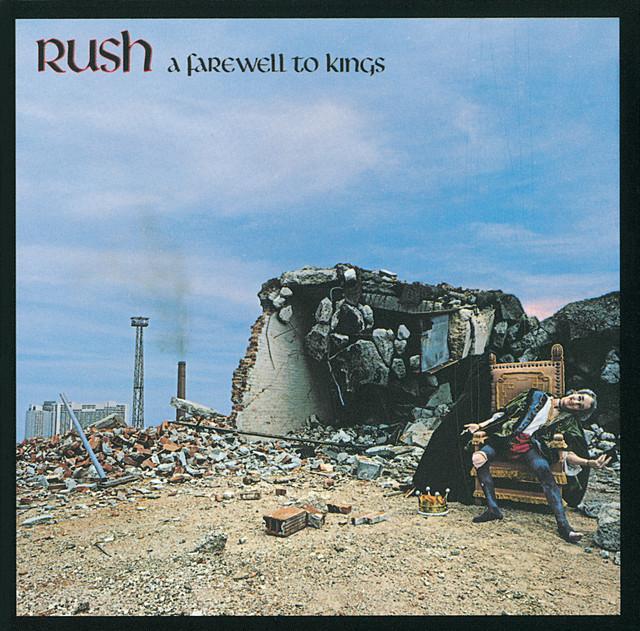
That idea fits the band’s late-1970s writing. On 1977’s A Farewell to Kings, Rush often contrasted power with principle, fantasy with reality, and public image with inner truth. “Cinderella Man,” written by Geddy Lee and Alex Lifeson, turns those tensions into a compact story about conscience.
The Heart of the Story in Plain English
At its core, the song tells of a modest person who comes into money and then tries to use that wealth for a greater purpose. Rather than becoming proud, he stays open-hearted. The world around him treats that kindness as weakness or madness.
The key twist is that the hero is not poor and rescued like a fairy-tale Cinderella. He is a man with resources who becomes heroic by how he uses them. That reversal matters. Rush suggests that real nobility is not about class or image; it is about character.
When the chorus calls him Cinderella Man
, the song frames him as an outsider figure who does good work without fitting ordinary expectations. He is active, not passive. He keeps moving even when people misunderstand him.

Watch the official Cinderella Man
music video
A Character Study of a Misread Idealist
The opening presents him as a modest man
who travels to the city after gaining wealth. The move from a smaller place to a richer urban world sets up a classic moral test. Will money change him? Rush’s answer is yes, but in a surprising way: it gives him a mission.
Then the lyrics explain why others reject him. Because he is described as human, good, and moral, people call him irrational. That irony drives the whole song. In a damaged society, decency looks abnormal.
One of the song’s most striking phrases is heart undefended
. Paraphrased, it paints him as emotionally open, not cynical. That openness makes him vulnerable, but it also makes him capable of empathy. The song treats that vulnerability as strength.
The Chorus Turns Him into a Symbol
The refrain broadens the story from one man to anyone trying to do right in a hostile culture. When Rush sings doing what you can
, they reduce heroism to something practical. This is not a mythic savior. It is a person acting within limits.
That is why the next idea lands so hard: others may not understand, but they still cannot define his worth. The line about not stealing dreams turns the song into an anthem for inner freedom.
Hang on to your plans
They cannot steal your dreams
In context, those words are not just motivational. They answer the hostility of the verses. The outside world can shame, label, and resist a person, but it cannot fully break a moral vision.
Hard Reality Changes the Hero
In the second half, betrayal wakes the character up. Personal pain leads to social awareness. After love fails him, he sees hunger and suffering more clearly. That shift is important to the meaning of Cinderella Man Rush: private heartbreak becomes public purpose.
This suggests that compassion is not abstract. It often grows out of wounds. The character now understands both emotional loss and material need, so he acts with intention. He uses his riches to challenge inequality instead of hiding from it.
The repeated image of someone who walks in the rain
adds another layer. Interpretation: rain can suggest sadness, cleansing, or endurance. In all three readings, the character keeps moving through difficulty rather than waiting for comfort.
Why the “Insane” Label Matters
The song repeatedly notes that people see him as unstable. That word choice is not casual. Rush is showing how societies often discredit those who challenge selfish norms. If someone gives too much, feels too deeply, or lives by ideals, cynics may call them unrealistic.
Interpretation: the references to mental imbalance are less a diagnosis than a social judgment. The hero is “crazy” only in the eyes of people who cannot imagine generosity without hidden motives.
That reading makes the song sharper. It is not merely praising charity. It is criticizing a culture that has become suspicious of goodness.
How the Music Supports the Message
Musically, “Cinderella Man” is more buoyant than its themes might suggest. Rush builds the track with quick momentum, bright guitar work, and a lively rhythm section. That lift keeps the song from feeling preachy. Instead, it feels determined.
Geddy Lee’s vocal phrasing gives the character urgency but also warmth. Alex Lifeson’s guitar parts add sparkle and push, while Neil Peart’s drumming keeps everything moving with confident precision. On the broader album credits, producer Terry Brown helped shape the band’s clean, dynamic late-70s sound.
That production matters because the song’s message is about motion, effort, and resilience. The arrangement does not wallow in suffering. It presses forward, much like the character himself.
A Few Strong Readings of the Song
There is more than one fair way to hear this track:
- Social reading: it is about using privilege to help the poor.
- Psychological reading: it is about preserving innocence in a cynical world.
- Artistic reading: it can also describe any dreamer mocked for idealism.
All three fit the lyrics. The hero begins with money, suffers betrayal, sees hunger, and keeps faith with his purpose. That makes the song both specific and open-ended.
Why It Still Connects
“Cinderella Man” endures because it refuses the idea that power must corrupt. Rush imagines a person who gains wealth yet becomes more human, not less. They present goodness as difficult, misunderstood, and still worth choosing.
For many listeners, that is the lasting meaning of Cinderella Man Rush: true strength is not domination. It is moral courage under pressure.
Disclaimer: This interpretation combines lyrical analysis, musical context, and commonly discussed themes. As with most songs, listeners may hear different meanings.







