Why 'Subdivisions' Still Hits So Hard
The meaning of Subdivisions Rush comes down to one painful idea: growing up in the suburbs can feel neat on the outside and cruel on the inside. Rush turns planned streets, schools, malls, and weekend hangouts into symbols of social pressure. The song is not just about a place. It is about what that place does to people who do not fit.
"Subdivisions" - Rush
In geometric order
An insulated border
Loading lyrics...
Unable to load lyrics
We're unable to display the lyrics at this time. Please try again later.
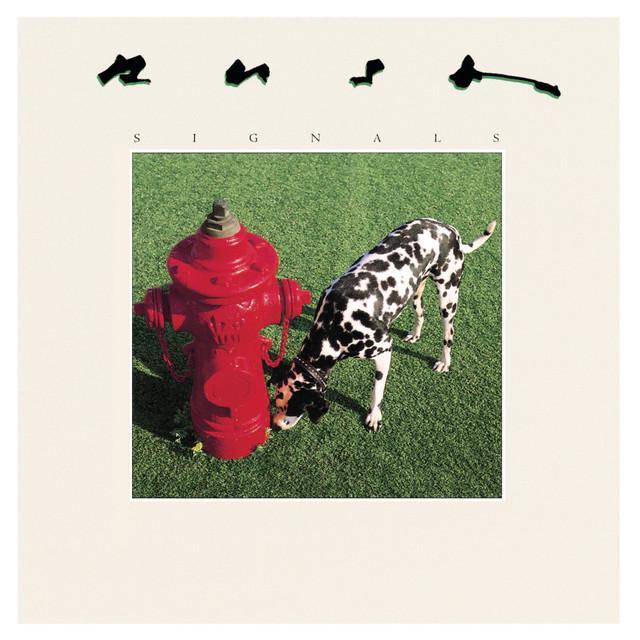
Released on Signals in 1982, “Subdivisions” became one of Rush’s signature songs and reached No. 5 on Billboard’s Mainstream Rock chart. It also marked a major change in the band’s sound, leaning hard into synthesizers and a tighter, more modern texture. Those facts matter because the music itself helps tell the story.
A suburb becomes a social system
At the surface, the song describes a typical suburban landscape. It opens with a built environment that feels ordered and sealed off, almost designed to remove surprise. That image matters because Rush presents the suburbs as more than housing. They become a machine for sameness.
The key phrase geometric order
suggests streets, homes, and routines that are all lined up. Then the song shifts from physical layout to emotional effect. Young people grow up with their choices narrowed, their opinions shaped for them, and their futures quietly mapped in advance.
Interpretation: This is why the title is so sharp. “Subdivisions” means housing tracts, but it also means social sorting. People are split into categories, cliques, and acceptable roles.

Watch the official Subdivisions
music video
The real wound: isolation in plain sight
The song’s most lasting power comes from how clearly it captures loneliness. It says the outsider is not alone in a dramatic, glamorous way. They are alone in ordinary places full of other people.
Rush drives that idea home with short, blunt scenes: high school halls
and shopping malls
. These are public spaces where identity gets tested every day. The pressure is simple and harsh: conform or be cast out
.
That line is the song’s thesis. It explains the social rules of suburban adolescence without romanticizing them. In this world, being different is not celebrated. It is punished.
Neil Peart later called the song “hugely autobiographical,” and he also described it as an exploration of the background Rush and much of their audience came from. That helps explain why the details feel lived-in rather than abstract. The song is specific enough to be personal, but broad enough to speak for many listeners.
What happens in the lyrics
The narrative moves in a clear arc:
- It starts with a portrait of the suburb as controlled space.
- It moves into teenage social life, where belonging is conditional.
- It shows escape as tempting but incomplete.
- It ends with adulthood repeating the same patterns in new forms.
The middle of the song is especially important. It admits that escape can help soften an ugly truth, but it also says the suburban setting cannot calm the “restless” energy of youth. In other words, the problem is not just boredom. It is spiritual frustration.
Then the song widens its focus. Young people are drawn toward the city, chasing intensity, danger, and the feeling of being fully alive. But the track does not present the city as a perfect answer. Some people trade their deeper dreams for smaller comforts. Others get caught in routine and start longing for relief.
Interpretation: Rush suggests that the social divisions of adolescence do not disappear in adulthood. They simply change costume.
Why the chorus feels so unforgettable
The chorus works because it is repetitive, clipped, and almost slogan-like. That is not a flaw. It mirrors the way social rules get drilled into people until they sound natural.
There is also a contrast between the song’s empathy and its cold language. A phrase like be cool or be cast out
sounds like advice from the culture itself, not from a caring narrator. Rush is exposing that voice, not endorsing it.
That is a big part of the meaning of Subdivisions Rush: the song understands outsiders, but it also shows how systems train people to police each other.
The sound makes the message sharper
“Subdivisions” was released as the second single from Signals, and it is often noted as Rush’s first keyboard-based composition. Geddy Lee’s synthesizers sit at the front of the arrangement, while Alex Lifeson’s guitar plays a more reduced, strategic role than on earlier Rush records.
That production choice is central to the song’s meaning. The synths create a sleek, artificial atmosphere that feels modern but boxed-in. The rhythm is precise and almost mechanical. Even before a listener studies the words, the track already sounds like structure, repetition, and controlled movement.
At the same time, the drums and guitar add friction. They push against the electronic grid, hinting at human resistance inside a carefully ordered world. Rush had been absorbing newer sounds in the early 1980s, including more synth-driven acts, and “Subdivisions” shows them translating that influence into something emotionally specific rather than trendy.
A song about the suburbs, but not only that
One reading is straightforward: this is a song about misfits trying to survive suburban adolescence. That reading is strongly supported by the lyrics and by Peart’s comments.
A second reading goes further. Interpretation: the song is also about how modern life trains people to accept smaller identities. The suburb becomes a model for any system that rewards safety, sameness, and social obedience.
That broader meaning is why the song still connects. Listeners do not need to have grown up in Ontario or in 1982 to understand it. They only need to remember what it feels like to be measured against a group standard and found lacking.
Why it still matters now
Rush wrote “Subdivisions” decades ago, but its emotional logic still feels current. Teenagers and adults still move through labeled spaces, visible hierarchies, and subtle demands to fit a brand of normal. The scenery may change, yet the pressure remains familiar.
In the end, the song does not offer a clean escape. It offers recognition. For many listeners, that is enough to make it an anthem.
Disclaimer: This article offers a good-faith interpretation of the song based on the lyrics, artist comments, and historical context. As with any art, meanings can vary from listener to listener.







