Why Rush’s “Xanadu” Turns Paradise Into a Trap
Rush’s “Xanadu” sounds like a fantasy epic, but the meaning of Xanadu Rush is surprisingly human. Beneath the icy caves, sacred rivers, and dreamlike palace imagery, the song tells a cautionary story: the thing they chase most intensely becomes the thing that imprisons them.
"Xanadu" - Rush
To walk the caves of ice
To break my fast on honey dew
Loading lyrics...
Unable to load lyrics
We're unable to display the lyrics at this time. Please try again later.
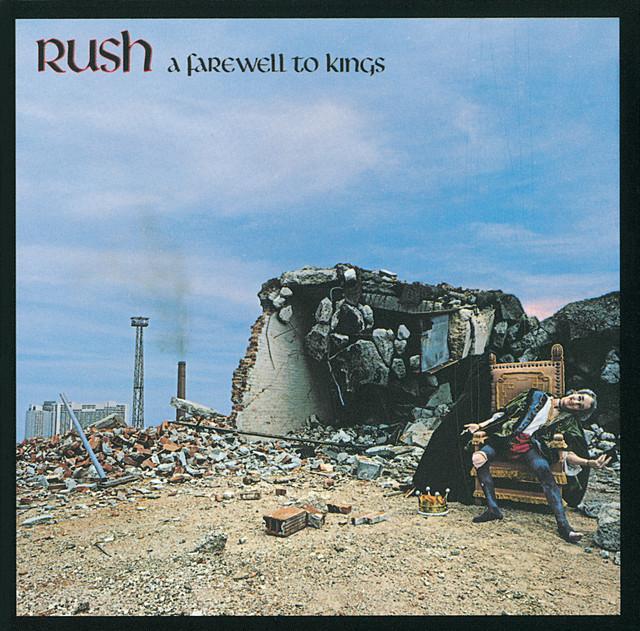
Released on A Farewell to Kings in 1977, “Xanadu” runs a little over 11 minutes and stands as one of Rush’s best-known progressive pieces. It was written by Geddy Lee, Alex Lifeson, and Neil Peart, with lyrics by Peart, and was recorded for the album in 1977 with producers Rush and Terry Brown. It also drew direct inspiration from Samuel Taylor Coleridge’s poem Kubla Khan, especially its images of a pleasure dome, the river Alph, and paradise-like abundance.
The Heart of the Story Lies in Desire
At the center of the song is a narrator who believes immortality will solve life’s deepest mystery. They travel through unknown landscapes, following clues from old wisdom and pushing toward a place called Xanadu.
At first, the language feels hopeful and enchanted. Short phrases like the sacred river Alph
and the caves of ice
create a world that seems both beautiful and holy. The narrator wants more than adventure; they want transcendence.
Interpretation: Rush frame that desire as noble at first. The search is not selfish in a simple way. It sounds like a spiritual quest, the kind of dream people attach to perfect knowledge, endless youth, or a final answer to suffering.

Watch the official Xanadu
music video
From Quest to Curse
The twist gives the song its emotional power. The narrator reaches the goal and becomes the last immortal man
, but the result is not freedom. Instead, eternity turns into a frozen prison.
That shift is the key to the meaning of Xanadu Rush. The song argues that endless life without change, risk, or ending is not paradise. It is stagnation. Once time no longer matters, meaning starts to drain away.
Rush make this point clearly when the narrator describes a thousand years passing while they remain cut off from life. They are no longer enjoying wonder. They are waiting, weary, and trapped inside the very dream they chased.
A thousand years have come and gone
But time has passed me by
This brief moment captures the whole tragedy. Time moves, but the narrator cannot move with it.
Coleridge’s Dream, Recast as Warning
A major reason the song feels so vivid is its connection to Coleridge’s Kubla Khan. Rush borrow several famous images, including the pleasure dome
, paradise food, and icy caverns, then reshape them into a complete narrative.
In Coleridge, Xanadu is mysterious, lush, and unstable, both beautiful and unsettling. Rush keep that mood, but they give it a harsher ending. Instead of just describing a visionary place, they ask what would happen if someone actually got what the vision promises.
Interpretation: In that sense, the song is not just about fantasy. It is about obsession. It explores the danger of believing that one final achievement will remove human limits forever.
How the Music Tells the Same Story
The arrangement matters as much as the words. According to widely cited accounts of the recording, “Xanadu” was the first Rush song to make synthesizers truly central to the composition, while also featuring double-neck guitars, bass, pedal synths, and an expanded percussion setup that included tubular bells, glockenspiel, temple blocks, and chimes. The track’s long instrumental opening takes up roughly half the song before the vocals begin.
That intro does not feel like filler. It creates landscape. The shimmering textures suggest distance, cold air, and discovery, while the steady build hints that the search is becoming fate.
When the lyrics finally arrive, the listener is already inside the myth. Later, the music grows heavier and more severe, mirroring the narrator’s realization that paradise has become confinement. Even the grandeur starts to feel oppressive.
Another famous detail adds to the song’s legend: Alex Lifeson recalled that the album performance was captured in a single complete take after strong rehearsal, a remarkable feat for such a long and complex piece. That precision helps explain why the track feels both expansive and tightly controlled.
Symbols That Carry the Meaning
Several repeated images deepen the song’s warning:
- Ice: not just beauty, but emotional suspension and lifeless permanence.
- River: the movement of life that the narrator wants to master.
- Paradise food and drink: desire made tangible, tempting because it promises completion.
- The dome: a perfect structure that becomes a sealed enclosure.
The most important symbolic turn comes with my bitter triumph
. In four words, Rush collapse victory and regret into the same moment. The narrator wins absolutely, then discovers that absolute victory has no joy in it.
Why “Xanadu” Still Connects
Part of the song’s lasting appeal is that listeners do not need to believe in a literal immortal kingdom to understand it. Almost everyone has chased a version of Xanadu: perfect success, perfect love, perfect control, or an answer that will end uncertainty.
Interpretation: Rush suggest that limits are not just painful; they are part of what gives life shape. Without endings, there is no urgency. Without fragility, there is less gratitude. The song turns a prog-rock fantasy into a serious meditation on what makes human life worth living.
That may be why “Xanadu” remains one of the band’s most admired songs and even ranked highly in a Rolling Stone readers’ poll of Rush favorites. It is technically dazzling, but its real strength is emotional clarity.
Final Take on the Meaning of Xanadu Rush
The meaning of Xanadu Rush is that paradise can become a prison when it is built on the refusal to accept human limits. The song begins as a heroic search for immortality and ends as a warning about what happens when desire outruns wisdom.
Rush do not reject wonder here. They reject the fantasy of escaping humanity entirely. That is what makes “Xanadu” feel grand, sad, and strangely timeless.
Disclaimer: This interpretation is based on the lyrics, musical context, and documented influences. As with most great songs, listeners may hear different meanings in “Xanadu.”







