Why Russ Ballard's 'Voices' Still Echoes
The meaning of Voices Russ Ballard comes down to a struggle many people know well: the battle between the self they show the world and the deeper self they keep hidden. Russ Ballard turns that conflict into a simple but vivid image of a mind with doors, rooms, and a voice shut inside.
"Voices" - Russ Ballard
That somewhere there will be a place, hidden behind my comedian face
You will find somewhere there's a house, and inside that house there's a room
Loading lyrics...
Unable to load lyrics
We're unable to display the lyrics at this time. Please try again later.
The result is a rock song that feels personal, mysterious, and direct at the same time. According to Songfacts, Ballard later said the song was about an inner voice that can be positive or negative, and about things he wanted to say in the future. That comment gives listeners a strong anchor, but the song still leaves room for interpretation.
A Mind Turned Into a House
The opening verse presents the singer's inner life as a hidden space. They imagine a public mask, then contrast it with something more private behind the surface. When the lyric mentions a comedian face
, it suggests a person who looks light or easygoing on the outside while carrying something more serious within.
That hidden self becomes a house with a room in the corner. This is one of the song's smartest images because it makes emotion feel physical. Instead of saying, “I have buried thoughts,” Ballard shows a locked place where a waiting truth has been stored.
The Locked Voice and the Key
The key detail is that the singer is not trapped by someone else. They admit, in effect, that they did the locking. Short phrases like set it free
and I got the key
matter because they shift the song from fear to responsibility.
Interpretation: this makes the song less about madness and more about repression. The “voices” are not random noise from outside. They sound like the parts of the self that have been pushed down, whether that means honesty, creativity, anger, or conviction.

Watch the official Voices
music video
What the Chorus Really Pushes Forward
The chorus gives the song its clearest statement. Its repeated warning, Don't look back
, is advice aimed at both the singer and the listener. The past is presented as something that can trap a person if they keep turning toward it.
Here is the song's one short multi-line passage, which sums up the message:
Don't look back, look straight ahead
yesterday's gone
Even here, the song stays practical. It does not promise an easy cure. Instead, it says the voice inside may guide a person forward, if they stop avoiding it.
The Meaning of Voices Russ Ballard in Plain Terms
At its core, the meaning of Voices Russ Ballard is about unlocking the inner self. The narrator hears something within, knows it has been hidden, and finally reaches a point where ignoring it no longer works.
There are at least three strong ways to read that inner voice:
- Conscience: a moral voice telling them to face truth.
- Creativity: an artistic impulse that has been held back.
- Self-acceptance: the buried personality behind the public act.
Ballard's own comment to Songfacts especially supports the second and third readings. He described the song as being about a voice within us and connected it to things he wanted to say later in his songwriting. That makes “Voices” feel like a song about future expression as much as present struggle.
Why the Song Sounds So Haunted
The production helps the meaning land. Songfacts describes the track as “enigmatic and haunting,” and that fits what listeners hear. The arrangement stays tight and controlled, which mirrors the idea of something contained and waiting.
There is no flashy instrumental excess. In fact, Songfacts notes that the guitar work avoids showiness and that the brief solo captures the essence of the song. That restraint matters. A huge solo might have broken the mood, but the shorter one keeps the listener inside the same tense emotional space.
American Trad Rock With an Inner Twist
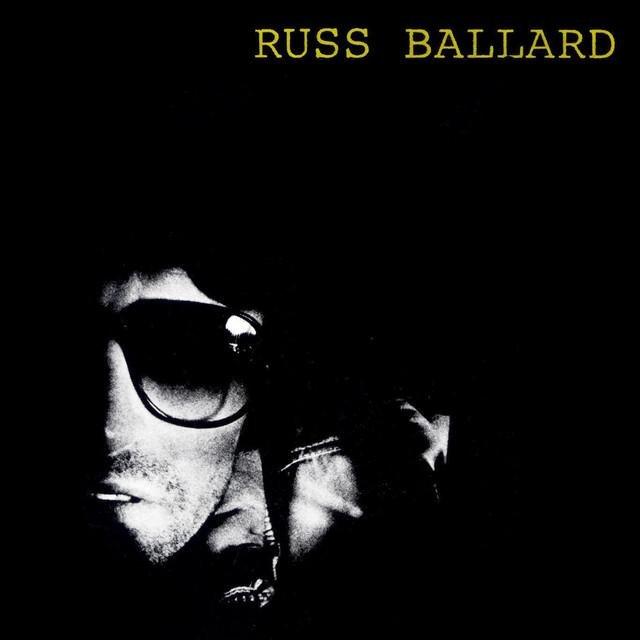
In genre terms, the song sits in a classic rock lane, but its subject is more inward than many radio-rock tracks of its time. Released on Ballard's 1984 self-titled album, it reached No. 15 on Billboard's Mainstream Rock chart and also got extra visibility through an appearance on Miami Vice, as reported by Songfacts.
That context matters because the song worked on two levels. It had enough drive for rock radio, yet its real power came from psychology rather than swagger.
A Song About Hiding, Then Choosing
One of the most revealing lines in the story is the admission that some people did not like what the voice said. That adds social pressure to the song's inner drama. The singer did not silence the voice for no reason; they buried it because it caused discomfort.
Interpretation: this may be the deepest point in the lyric. People often hide parts of themselves not because those parts are false, but because they are inconvenient, unpopular, or hard for others to hear.
By the end, the repeated cry of I hear voices
feels less like panic than recognition. The voice has not vanished. It has stayed alive, waiting for permission.
Why "Voices" Still Connects
What keeps the song fresh is its balance of mystery and clarity. The imagery is dramatic, but the feeling is easy to understand. Many listeners know what it means to act fine in public, hide something real, and sense that their own future depends on finally letting it speak.
That is why the meaning of Voices Russ Ballard still resonates. It is not just about hearing a voice. It is about deciding whether to trust it.
Disclaimer: This interpretation combines lyric analysis with Russ Ballard's brief comments and public song information. As with any song, some meanings remain open to listener interpretation.







