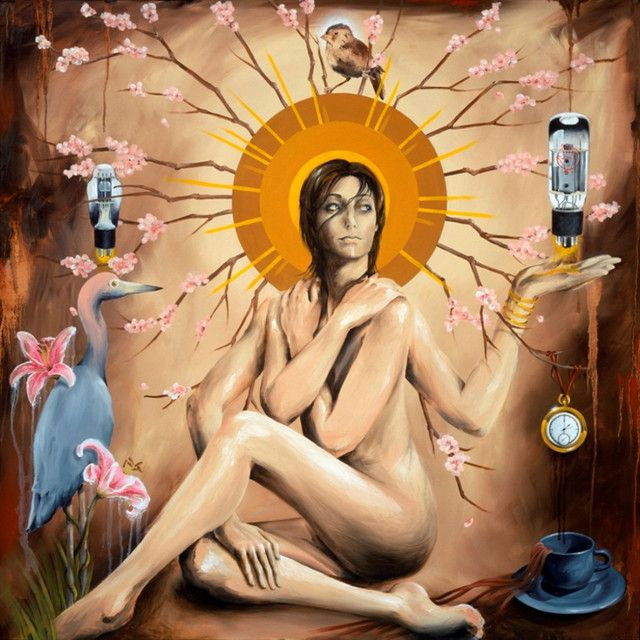
In Her Drawer by Rx Bandits
A restless song about medication and alienation
The meaning of In Her Drawer Rx Bandits centers on pain, medication, and the feeling that modern life turns human suffering into a clinical problem. The song presents a world filled with pills, diagnosis, and emotional numbness. Instead of offering comfort, that world makes the speaker feel pushed outside normal life.
"In Her Drawer" - Rx Bandits
white hexagons to accelerate
swallow yellow to relax
Loading lyrics...
Unable to load lyrics
We're unable to display the lyrics at this time. Please try again later.
On the surface, the lyrics describe different shapes and colors of drugs and what each one is supposed to do. But the song is not just listing substances. It is showing how treatment can become routine, mechanical, and even spiritually empty. The repeated sense of being an outsider suggests that medication may dull symptoms without solving the deeper hurt.
This fits the band’s early style on The Resignation, where ska, post-hardcore, and progressive rock often carried social criticism. Rx Bandits were known for mixing emotional urgency with political and personal questions, and this song does both at once.

Watch the official In Her Drawer
music video
The drawer is more than a drawer
The title image matters. A drawer is private, hidden, and domestic. It is where someone stores things they do not want fully seen. When the chorus points to they're in her drawer
, the song frames medication as both common and secret.
That line also creates tension between denial and dependence. The person in the song says she does not take them, or not all of them, yet their presence still shapes the room. Interpretation: the drawer becomes a symbol for hidden coping habits, untreated pain, or the quiet way distress lives inside ordinary life.
There is also a relationship drama here. The speaker is not talking about a faceless system alone. They are close enough to notice what is stored away, which gives the song a personal ache. This is not an abstract rant. It feels like watching someone struggle and not knowing how to help.
How the verses build a cycle of control
The first verse moves through pills by color and purpose: numbing pain, speeding up, calming down, and forgetting the past. That sequence matters. It suggests a cycle in which every feeling has a chemical answer. Rather than healing, each new pill manages another part of the self.
The second verse becomes more disturbing. Doctors call the speaker unstable, then offer more substances to help them focus or relax. The song hints that the same system naming the illness is also feeding the response. When the lyrics mention scribbled down solutions
, those solutions feel temporary and impersonal.
This leads to the emotional center: feeling like an outsider
. The song’s problem is not simply drugs. It is the loss of belonging, touch, and inner coherence. If every emotion is treated as a symptom, the person may stop feeling human and start feeling managed.
The social critique at the core
The sharpest statement comes when the song says Society creates symptoms
and then medicates them. That is the clearest clue to the song’s wider argument. It shifts blame away from the individual and toward a culture that produces stress, detachment, and pressure.
there is no progress in a cure,they've got their eyes on the return
Those lines suggest a profit motive. Interpretation: the song is criticizing systems that benefit more from long-term treatment than real recovery. It does not reject all medicine as such. Instead, it questions what happens when care becomes business and symptoms become marketable.
That reading matches the broader mood of early-2000s alternative music, when many bands were openly skeptical of institutions, media culture, and pharmaceutical dependency. Rx Bandits often wrote songs that challenged passive acceptance, and all three writers on this track—Christopher Tyler Tsagakis, Matthew Dean Embree, and Steve Choi—worked in that politically alert lane.
Why the plea for connection matters
In the middle of all this clinical language, the song suddenly asks for intimacy. The request to be comforted cuts against the cold list of treatments. Instead of another pill or diagnosis, the speaker asks for human closeness.
That turn is important because it reveals what is missing. The song does not only condemn medication culture; it also longs for tenderness. The plea makes the track sadder, because the listener hears a person who wants relief that feels real, not packaged.
The final parenthetical image, watch your life through a screen
, pushes that idea even further. It hints at dissociation, emotional distance, or the sense of living one step removed from experience. Whether the screen is literal or metaphorical, the song ends in separation rather than healing.
How the sound carries the message
Musically, Rx Bandits make the song feel unstable in a useful way. Their mix of sharp guitar work, rhythmic shifts, and urgent vocal delivery gives the lyrics nervous energy. Even when the melody catches the ear, the arrangement rarely settles for long.
That matters for meaning. The song’s tight playing mirrors the controlled world of diagnosis and dosage, while the band’s explosive changes suggest a mind pushing back against that control. The contrast between catchy hooks and anxious tension helps the listener feel the same split the lyrics describe.
Interpretation: the production sounds like a battle between order and overload. That makes the critique more effective, because the music does not just support the words; it enacts them.
A clear takeaway from a complicated song
The meaning of In Her Drawer Rx Bandits is ultimately about more than drugs in a room. It is about what happens when private pain meets a system that labels, sells, and suppresses instead of truly listening. The drawer, the pills, and the diagnoses all point to a deeper loneliness.
At the same time, the song leaves space for more than one reading. Some listeners may hear it mainly as a critique of overmedication. Others may hear a portrait of a loved one whose suffering cannot be reached. Both readings fit the text.
Either way, the song’s lasting power comes from that mix of anger and care. It sounds suspicious of institutions, but deeply sympathetic toward the hurting person at the center.
Disclaimer: This interpretation is based on the lyrics, recorded performance, and available song context. Like many songs, it can support more than one reasonable reading.







