Why Ryan Adams Made “Stay” Sound So Haunted
The meaning of All You Had To Do Was Stay Ryan Adams starts with a simple idea: this is a breakup song about how little was required for love to survive, and how painful it is when someone still fails to do that one basic thing.
"All You Had To Do Was Stay" - Ryan Adams
And people like me wanna believe you when you say you've changed
The more I think about it now the less I know
Loading lyrics...
Unable to load lyrics
We're unable to display the lyrics at this time. Please try again later.
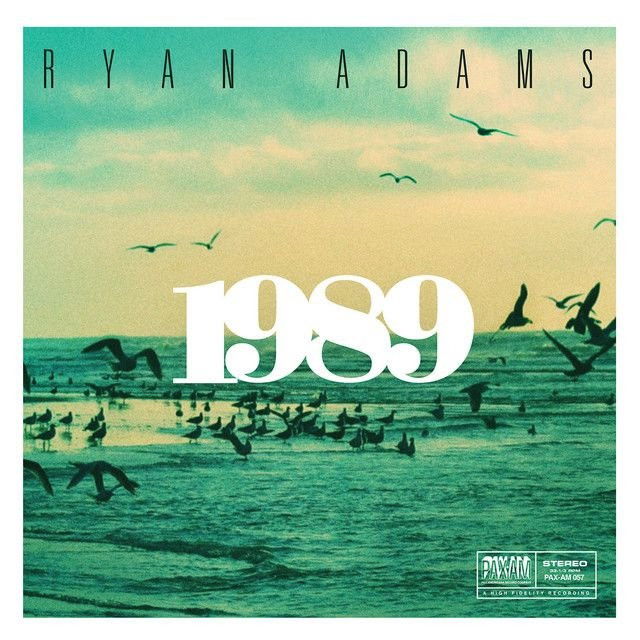
Ryan Adams did not write the song. Taylor Swift and Max Martin did, and it first appeared on 1989 in 2014. But Adams’ 2015 full-album cover of 1989 changes the emotional weather around it so much that the song can feel newly exposed. In his version, the hook no longer sounds sharp and pop-bright. It sounds bruised.
The Core Meaning Beneath the Hook
At heart, the song is about abandonment after intimacy. The narrator is not confused about what went wrong. They believe the relationship did not collapse because love was impossible. It collapsed because one person left, shut down, or pulled away when staying would have been enough.
That is why the title line matters so much. All you had to do was stay
is not a romantic plea in the present tense. It is a judgment spoken after the damage is done. The song frames the breakup as avoidable, which makes it sting more.
The verses build that case. The narrator describes an ex who wants love back only after tossing it aside. They remember being emotionally open, then getting pushed away. When the song says lock me out
, it turns a breakup into an image of exclusion. Someone was let in, then they shut the door on the person who trusted them.

Watch the official All You Had To Do Was Stay
music video
From Taylor Swift’s Dream to Ryan Adams’ Gloom
Factually, Swift has said the song began with a dream in which an ex appeared at the door, and instead of making a grand speech, all that came out was a high-pitched cry of “stay.” That origin story, summarized by Wikipedia, helps explain why the chorus feels both catchy and emotionally awkward. It captures the way heartbreak can reduce complicated feelings to one raw impulse.
Ryan Adams approached his 2015 1989 cover project as a sincere reinterpretation, not a parody. In a Rolling Stone interview, he said of singing Swift’s songs, “You just have to mean it.” That matters here. His version treats the track less like a pop outburst and more like a late-night reckoning.
What Changes in Adams’ Version
The original is synth-pop, fast and tightly controlled. Adams’ take was described by Rolling Stone as having a “U2-gone-synth-pop vibe.” In practice, that means wider space, more rock atmosphere, and less of the playful tension that defined Swift’s cut.
Interpretation: Adams turns the song from a snap of frustration into a slow burn of regret. The words do not change much, but the emotional center does.
How the Lyrics Trace a Power Shift
One of the smartest parts of the song is how it maps a relationship’s power imbalance. The narrator admits they were vulnerable and fully invested. A phrase like palm of your hand
suggests the ex had control all along.
Then the song flips that dynamic. By the time the ex returns, the narrator is no longer waiting. The line about it being too late
matters because it rejects the fantasy that love can always be recovered on demand. The ex may want another chance, but timing is part of love too.
That makes the song more than a complaint. It is also a boundary. The narrator is hurt, but they are not helpless.
Stay, hey, now you say you want it
Back now that it’s just too late
Those lines show the emotional trap clearly: the ex only values the relationship once it is gone. The chorus exposes that pattern in the plainest language possible.
Sound as Meaning: Why Adams Makes It Heavier
Production is central to the song’s meaning. Swift’s original uses dense synths, programmed drums, and processed vocals to create a bright, restless surface. That surface is important because it mirrors the song’s push-pull feeling: pain delivered with a catchy bounce.
Adams strips away much of that pop sheen. His voice is rougher and more earthbound. Instead of sounding like someone reliving a dramatic flashback, he sounds like someone sitting inside the consequences.
This change affects how listeners hear every line. In Swift’s version, people like you
lands as a cutting generalization, almost a defensive move. In Adams’ version, the same thought can sound more tired than angry, as if they have learned this lesson the hard way.
Why the Chorus Feels Different
Swift’s chorus famously turns “stay” into a high, almost anxious vocal burst. Adams cannot and does not try to mimic that exact effect. As he told Rolling Stone, Swift has a range he does not have. So his version replaces panic with gravity.
Interpretation: That shift makes the song feel less like an immediate argument and more like a postmortem. The demand to stay becomes an echo rather than a shout.
Two Strong Readings of the Song
There are at least two useful ways to hear this track:
- A song about emotional irresponsibility. The ex took love for granted, left, and came back when lonely.
- A song about self-respect after heartbreak. The narrator realizes love alone is not enough if trust has already been broken.
Both readings fit the lyric details. The song describes damage, a return, and a refusal to reopen the wound.
Why This Cover Still Connects
Part of the reason listeners still respond to Adams’ version is that it reveals how sturdy Swift’s songwriting is. Remove the glossy pop framework, and the song still holds together as a story about regret, timing, and emotional cowardice.
So the meaning of All You Had To Do Was Stay Ryan Adams is not just “someone left.” It is that love sometimes fails for a painfully small reason. One person would not do the simplest, kindest, hardest thing: remain present.
That is what makes the song linger. It understands that some of the deepest heartbreak comes not from huge betrayal, but from one avoidable absence.
Disclaimer: This interpretation separates documented background from critical reading. Meaning can vary from listener to listener.









