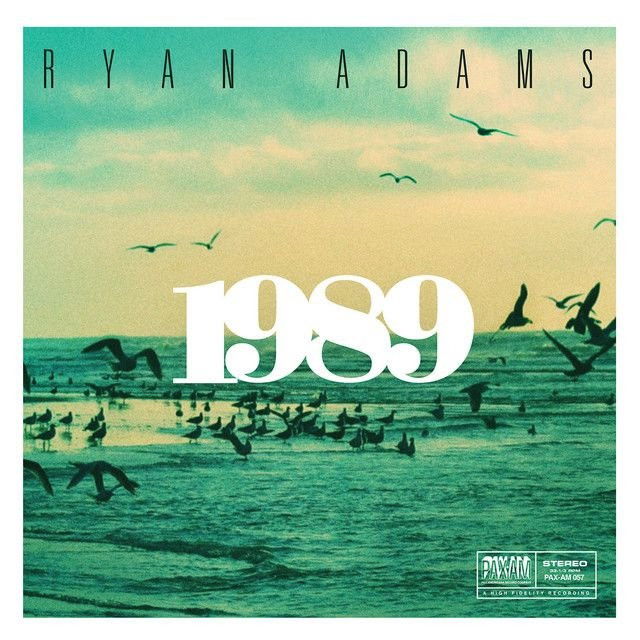
Wildest Dreams by Ryan Adams
Ryan Adams did not write “Wildest Dreams,” but his version changes how many listeners hear it. That shift is the key to the meaning of Wildest Dreams Ryan Adams. In his hands, the song feels less like bright pop fantasy and more like a memory already fading.
"Wildest Dreams" - Ryan Adams
Drive out of the city
Away from the crowds
Loading lyrics...
Unable to load lyrics
We're unable to display the lyrics at this time. Please try again later.
The core idea stays the same: two people enter a romance knowing it will not last. Still, one of them asks for something small but powerful—remembrance. Even if the relationship burns out, they want to live on in the other person’s mind.
A Love Story Already Headed for Goodbye
At its heart, the song is about desire mixed with foresight. The speaker is deeply pulled toward someone, but they also see the ending coming. Early lines set that up through escape images like leaving town and getting away from crowds. That movement suggests passion, privacy, and a wish to pause real life.
But the song never lets that fantasy become permanent. It keeps returning to the truth that this romance is intense precisely because it is temporary. When the singer asks, Say you'll remember me
, they are not asking for forever. They are asking to matter after the ending.
That makes the song less about winning love and more about surviving loss through memory. The real emotional center is not the affair itself. It is the hope that a brief connection can still leave a permanent mark.
Watch the official Wildest Dreams
music video
Why Ryan Adams Changes the Feeling
Adams released his full-album cover of Taylor Swift’s 1989 in 2015, including “Wildest Dreams.” Coverage from Rolling Stone and Swift’s own praise for the project helped frame it as more than a novelty. He slowed the emotional temperature and leaned into heartland rock textures.
That matters for interpretation. Swift’s original version has sleek, cinematic pop production, which can make the song feel glamorous and dreamlike. Adams strips it back. His vocal delivery sounds worn-in and reflective, as if the speaker is looking backward instead of living in the rush.
Interpretation: In Adams’ version, the romance feels older and sadder. The song becomes less about a thrilling affair and more about what remains after one.
The Speaker Wants Memory, Not Rescue
One striking part of the lyric is how realistic it is. The speaker does not pretend this bond will last. Phrases like Nothing lasts forever
are plain and unsentimental. That honesty gives the song its sting.
The chorus then turns that realism into a request. The person seems to say: if they cannot be kept, at least they can be remembered vividly. The images are visual and cinematic—dress, sunset, color, face. Those details matter because memory often works like snapshots.
You see me in hindsight
Tangled up with you all night
Burn it down
This is the song’s emotional pivot. It imagines the future point when the relationship is over and only fragments remain. The idea of hindsight means the speaker already knows memory will rewrite the affair into something both beautiful and painful.
The Images Turn Passion Into Myth
The meaning of Wildest Dreams Ryan Adams also lives in its imagery. The song uses a few recurring symbols:
- Leaving town: escape from ordinary rules
- Sunset and color: beauty that lasts only a moment
- Hands, hair, clothes, room: closeness and physical memory
- Dreams: a place where what is lost can return
These details turn a brief romance into something larger than daily life. Even the compliment handsome as hell
feels exaggerated on purpose. It sounds like someone describing a lover they already know they may lose.
Interpretation: The song mythologizes a short relationship. It turns a real encounter into an almost movie-like memory so it can survive the breakup.
How the Chorus Rewrites the Verses
In the verses, the relationship is active and alive. There is movement, secrecy, touch, and danger. In the chorus, all of that shifts into recollection. The key phrase wildest dreams
suggests that memory may become the only place where the lovers meet again.
That is why the chorus hits so hard. It does not ask for reunion in real life. It asks for a haunted kind of afterlife inside the other person’s imagination.
In Adams’ version, that idea lands with more resignation than seduction. His softer, more weathered singing gives the chorus the feeling of acceptance. He sounds like someone who knows the request may be the best they can get.
Sound and Production: Softer Music, Sharper Sadness
Adams’ recording style often favors guitars, space, and an intimate vocal tone, and that approach shapes this track. On his 1989 album page, the project is presented as a full reinterpretation rather than a direct copy. That is exactly how “Wildest Dreams” works.
The arrangement reduces the glitter and increases the ache. Instead of racing forward, the song lingers. The slower feel gives each line more weight, especially the ones about endings and memory. What may sound sensual in pop form sounds mournful in this rock-leaning setting.
This is a good example of how production can change meaning without changing the lyric. Same words, different emotional weather.
A Cover About Time, Not Just Romance
There is also a broader reason Adams’ version connected with listeners. His age, voice, and musical style make the song sound like a reflection on passing time. The affair at the center becomes part of a larger human fear: being forgotten.
That is why the song keeps resonating. Most people know what it is like to sense an ending before it arrives. They also know the strange comfort of hoping they will remain in someone else’s private archive of memories.
Final Take on the Meaning
The meaning of Wildest Dreams Ryan Adams is a mix of passion, impermanence, and the need to be remembered. The song is about a relationship that feels intense because both people seem to know it cannot last.
Ryan Adams’ cover brings out the sadness inside that idea. He turns the song into a faded photograph of love—still beautiful, but already gone.
Disclaimer: This interpretation is based on the lyrics, the recording, and public context. Song meaning can vary from listener to listener.









