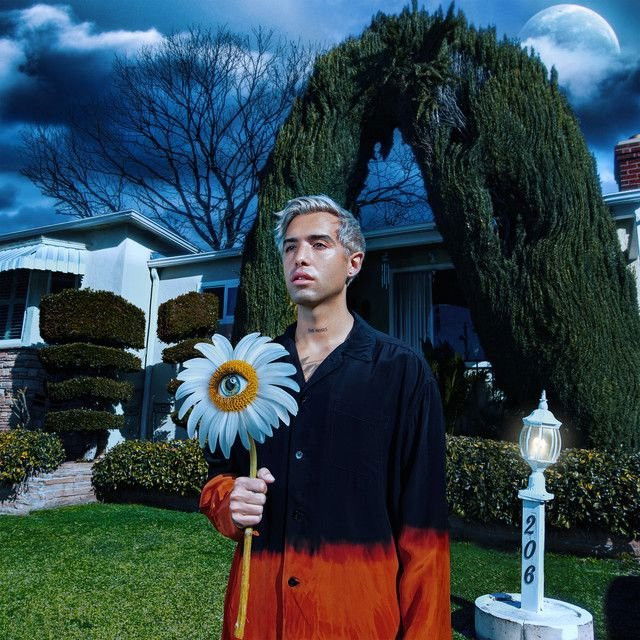
Holly by Ryan Caraveo
The meaning of Holly Ryan Caraveo centers on a painful question: what if success, beauty, and access still do not earn real love? The song turns that fear into a hook. Beneath its glossy pop-rap feel, it sounds like a confession from someone staring at fame culture and wondering how much of themself they would have to trade just to get a call back.
"Holly" - Ryan Caraveo
(Would you? Would you?)
If I say you are my buddy
Loading lyrics...
Unable to load lyrics
We're unable to display the lyrics at this time. Please try again later.
Ryan Caraveo and Teal Douville are credited as the songwriters based on the information provided. That matters because the writing feels personal, not distant. Even when the song jokes about status symbols, the emotion underneath is not playful. It is lonely.
The Hook Asks One Big Question
The chorus does most of the song’s heavy lifting. The narrator keeps asking whether Holly would notice them if they changed everything: friends, habits, money, and appearance. Short lines like would you call me
, cut off everybody
, and tighten up my body
make the point quickly.
Before and after those phrases, the song keeps paraphrasing the same fear: maybe they are not enough as they are. That repetition is key to the meaning of Holly Ryan Caraveo. It is not just about one person wanting attention. It is about how insecurity grows in a culture that rewards performance.
Interpretation: Holly may be a real person, but the name also works like a symbol. It sounds close to “Hollywood,” which fits the song’s focus on image, celebrity, and social access.

Watch the official Holly
music video
Fame Looks Like a Faith Substitute
One of the sharpest ideas in the song is how often it compares fame to religion. The narrator praises charts, press, and public approval with the language of worship. They talk as if attention could save them.
That is why lines about needing Jesus, church, scripture, or a savior hit so hard. The song is not really mocking belief. It is showing how fame culture creates its own belief system. Instead of grace, it offers metrics. Instead of community, it offers clout.
The most revealing phrase may be word of God
. In context, criticism and industry approval start to feel absolute. The narrator lets outside voices define worth, which makes every review, tag, and invitation feel spiritually loaded.
Verse by Verse, the Pressure Gets Worse
The first verse focuses on social belonging. The narrator wonders if they should work harder, party harder, or medicate their feelings just to keep up. They sound exhausted by the idea that friendship itself has become transactional.
The second verse widens the lens. Now the pressure is not only personal but public. Fame markers become the goal: charts, write-ups, and celebrity attention. The line All praise to the billboard
is brief but effective. It turns a music ranking into an altar.
Then the bridge delivers the emotional twist. After years of effort, success may finally be arriving, yet life feels worse, not better. That moment gives the song its deepest sting. The narrator has been chasing recognition, but recognition has not healed the emptiness.
After all the years I've put in
I think it's finally happenin'
How come life is sadder then?
That short passage flips the whole song. The real problem is not simply that Holly will not call. It is that external wins cannot fix internal loneliness.
The Sound Makes the Message Hit Harder
Even without full production credits provided here, the song’s style can still be described carefully: it leans on a polished, melodic pop-rap structure with a sticky refrain and emotional vocal delivery. That matters because the surface sounds sleek while the lyrics sound needy and raw.
This contrast is smart. A bright, repeatable chorus mirrors the glamorous world the song is talking about. But the words underneath expose panic, self-doubt, and resentment. The production gives listeners the sugar; the writing gives them the ache.
Caraveo’s vocal approach also supports the theme. They do not sound fully angry or fully broken. They sound caught in between—self-aware enough to see the trap, but still vulnerable to it.
Holly as a Person, Symbol, and Mirror
There are at least two strong ways to read the song.
Reading One: A Plea to One Specific Person
On the most direct level, Holly is someone whose approval matters too much. The narrator keeps bargaining: if they become cooler, richer, thinner, or more connected, would that finally make them lovable?
Reading Two: A Satire of Celebrity Culture
Interpretation: Holly can also stand for the entire system of elite validation. References to magazine coverage, runway imagery, and famous tags suggest the song is about being locked outside a glamorous circle and slowly believing that circle has the power to define value.
Both readings can be true at once. That overlap is what makes the song work.
Why the Song Resonates
The meaning of Holly Ryan Caraveo lands because it captures a modern fear in plain language: people can chase visibility so hard that they lose touch with what they actually need. The song understands that image pressure is not only about vanity. It is about belonging.
That is why the repeated question hurts. It is simple, but it points to something larger than romance or networking. It asks whether changing everything on the outside would finally make someone feel chosen on the inside.
In the end, the song’s answer seems bleak but honest. Probably not.
Final Take on the Song’s Message
“Holly” is a sharp, sad look at what happens when self-worth gets tied to attention. It shows a narrator who knows the game is hollow, yet still wants the prize. That tension gives the song its emotional power.
This interpretation is based on the lyrics provided and should be read as informed analysis, not confirmed artist intent.








