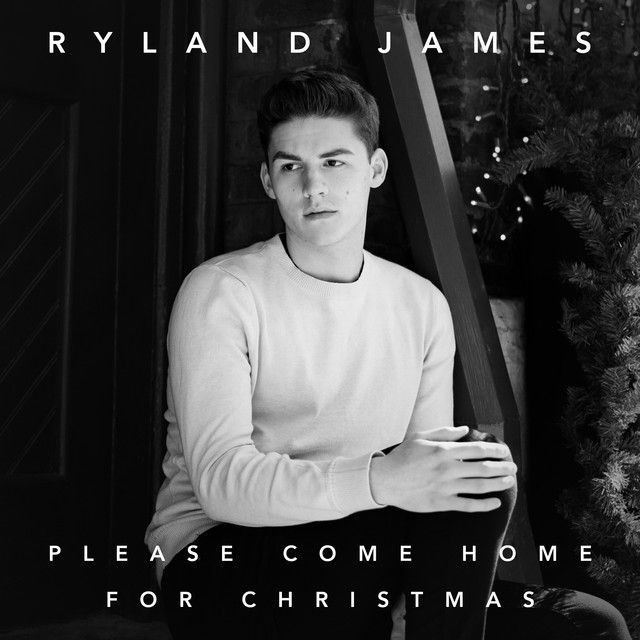
Why Ryland James Makes This Holiday Plea Hurt
The meaning of Please Come Home For Christmas Ryland James centers on a simple but powerful idea: the holidays can sharpen heartbreak instead of easing it. In this song, festive sounds and family traditions do not bring comfort. They remind the narrator that the person they love is gone.
"Please Come Home For Christmas" - Ryland James
Oh what a Christmas to have the blues
My baby's gone I have no friends
Loading lyrics...
Unable to load lyrics
We're unable to display the lyrics at this time. Please try again later.
Ryland James did not write the song; it was written by Charles Brown and Gene Redd. But their version matters because a singer can reshape a classic through tone, arrangement, and delivery. Here, they lean into warmth and ache at the same time, making the song feel less like a grand holiday anthem and more like a direct, personal request.
A Christmas Song About Absence, Not Cheer
At its core, the song contrasts public celebration with private pain. The world is full of holiday signs, yet the narrator feels cut off from all of it. Early images like sad, sad New Years
and Christmas to have the blues
establish that this is not a cozy seasonal scene. It is a lonely one.
The key emotional move is that Christmas is supposed to mean togetherness. Because of that, separation feels even worse. The song does not just say, “I miss someone.” It says the season itself has become a reminder of what is missing.
Interpretation: That is why the plea lands so hard. The narrator is not asking for a gift or a miracle. They are asking for the holiday to mean what it is supposed to mean: being home with the one they love.

Watch the official Please Come Home For Christmas
music video
Who They Are Singing To
The speaker is addressing an absent partner, not a general audience. The repeated line Please come home for Christmas
makes the target clear. The song frames love as the true center of the season, more important than decorations, songs, or social rituals.
There is also a deadline built into the lyric: by New Years night
. That detail matters. It gives the song urgency. The narrator is not speaking in vague memory; they are hoping for a return before the season fully passes.
This choice turns the song into a countdown. Every bell, carol, and greeting becomes another reminder that time is running out.
How the Story Unfolds Line by Line
The song moves in a clean emotional arc:
- It begins with isolation. The narrator says they are alone and without the usual warmth of friendship or romance.
- It then places that loneliness inside a festive setting. Holiday music and candlelit traditions continue, but they sound painful rather than comforting.
- The chorus becomes a direct plea for reunion.
- The next section widens the lens to friends and family, showing that seasonal greetings exist, but they cannot replace the missing loved one.
- Finally, the song imagines healing. If the absent person returns, sorrow will end and joy will come back.
That last turn is crucial. The song is sad, but it is not hopeless. It keeps one door open: homecoming.
Please come home for Christmas
Please come home for Christmas
If not for Christmas, by New Year's night
Those lines are the emotional thesis. The repetition sounds like someone trying to stay composed while saying the one thing that matters most.
Holiday Symbols That Carry the Weight
The lyrics use familiar Christmas imagery, but they do not use it in the usual way. Bells, carols, candlelight, stars, Christmas, and New Year are all symbols of connection and ritual. Here, those symbols become emotional pressure points.
When the narrator mentions Silent Night
and candlelit carols, the song places personal loss inside a scene many listeners recognize. That is part of why the song travels so well across generations. The setting is communal, but the ache is personal.
Interpretation: The stars and family greetings suggest a stable world continuing as normal. The narrator's inner life does not match that calm. That mismatch creates the song's deepest sadness.
Why Ryland James's Version Feels So Tender
Ryland James is known for a smooth pop vocal style with strong emotional control, and that approach suits this song well. Instead of pushing it toward big drama, they keep the performance close and human. That makes the longing feel believable.
In production terms, songs like this often work best with soft piano, warm strings, light percussion, and a spacious vocal mix. Even when the arrangement swells, the center has to remain the voice. That balance helps the listener hear the plea as intimate rather than theatrical.
For this song, that matters more than vocal fireworks. A holiday standard can easily become overly polished. Ryland James avoids that trap by making the sadness sound lived-in.
The Chorus as a Promise of Repair
The song's final idea is not only reunion. It is restoration. The narrator believes that if this person comes back, there will be no more sorrow
and happiness can return.
That belief is both moving and a little fragile. It shows how completely their emotional world depends on this reunion. The song does not explore whether that hope is realistic; it simply honors how strong the feeling is.
Interpretation: Some listeners may hear this as romantic devotion. Others may hear a softer sadness: the human habit of tying a whole season's meaning to one absent person.
Why the Song Still Connects
The meaning of Please Come Home For Christmas Ryland James lasts because it captures a truth many people know but do not always say out loud. Holidays can magnify whatever is already in the heart. If someone feels loved, the season glows brighter. If they feel abandoned, every celebration can sting.
Ryland James's take keeps that truth front and center. They sing the song less as a seasonal performance and more as an emotional confession. That is why it works.
Disclaimer: This interpretation is based on the lyrics provided, the song's credited writers, and the emotional cues in Ryland James's performance. Meaning in music can vary from listener to listener.








