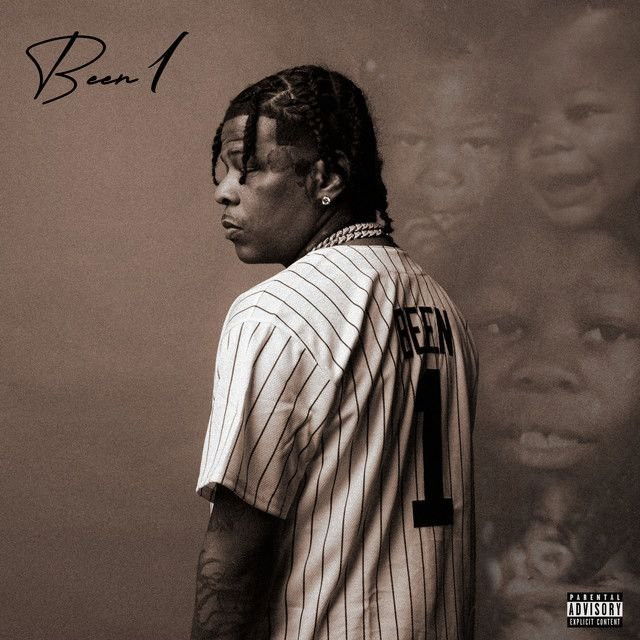
Equal Dirt by Rylo Rodriguez
They come to Equal Dirt expecting a messy breakup record; they find a confession booth. The hook evokes classic soul heartbreak, but Rylo drags that ache through courtrooms, airports, and timelines. The meaning of Equal Dirt Rylo Rodriguez centers on how love, pride, and survival grind against each other until everyone ends up stained.
"Equal Dirt" - Rylo Rodriguez
Whole month straight, I was gettin' high, you had left me at my lowest
I wasn't ready for no kid then, happy that you got abortion
Loading lyrics...
Unable to load lyrics
We're unable to display the lyrics at this time. Please try again later.
Torn Between Love and “Right”: The Core Idea
Equal Dirt is about staying in a relationship that both heals and harms. He admits betrayals on both sides, then clings to a vow that sounds more like a dare. When he repeats If lovin’ you is wrong
and I don’t wanna be right
, he isn’t making a sweet promise—he’s choosing feeling over accountability. The song’s title hints that, in the end, both partners share the same “dirt.”
Interpretation: The narrator sees moral lines but steps over them because loss feels worse than guilt. That choice fuels jealousy, control, and the spiral that follows.
Who’s Talking, and To Whom?
The voice is first-person, addressing a former partner but also interrogating himself. He admits slipping into pettiness and paranoia, then flashes tenderness and grief. When he says You a reflection of me
, he frames the relationship as a mirror: her moves bounce back on him, and his image depends on her behavior.
This is why their love becomes public business. He worries what “they” will say, but he still claims her. The push-pull is the point: need and control live side by side.
What Actually Happens: A Quick Timeline
- Early chaos: drugs, cheating, and a breakup set the stage. He’s not ready for commitment, then watches both of them cross lines.
- Money pressure: he repeats the fear she’ll leave if he goes broke. The phrase
go back broke today
is less prediction than nightmare. - Street gravity: trials, snitches, and shootouts creep into a love song. Loyalty codes clash with the intimacy he wants.
- Grief and memory: he scrolls old messages and mourns a loss, showing how trauma tangles with romance.
- Public life: airports and baggage claims turn love into logistics and optics.
Each beat shows intimacy getting squeezed by survival and status.
The Chorus, Reframed for Now
If lovin’ you is wrong, I don’t wanna be right
If bein’ right means bein’ without you…
Borrowing this refrain shifts a 1970s soul dilemma into today’s street reality. Interpretation: he treats “being right” as cold, lonely stability. “Being wrong” means chaos—but also warmth and identity. That’s why he keeps circling back.
Symbols and Motifs That Do the Heavy Lifting
- Mirrors and blame:
You a reflection of me
makes love a reputation issue. What she does marks him, so he polices it. - Hoops and refusal:
I ain’t playin’ nowhere
(a Ben Simmons nod) becomes a stance—he won’t perform for critics or rivals. - Airports and baggage: drivers at
baggage claim
show money and care, but also distance; love has become scheduling. - Probation games: he hints at “clean” tests, a symbol of living under watch. It’s survival logic invading romance.
- Poverty panic: the line about
go back broke today
anchors his fear that love is conditional.
Together, these images say the couple isn’t just fighting each other; they’re fighting the world that shaped them.
How the Sound Carries the Confession
Rylo’s delivery is hushed and conversational, almost diaristic. The beat is dark and minimal—melody in a minor key, space for his voice, unhurried drums. That restraint puts the words first; silences become tension. When the chorus lands, its familiar contours slice through the mutter—memory colliding with the present.
Interpretation: the sparse mix underlines isolation. He’s surrounded by status symbols, yet alone with his choices. Ad-libs flare like afterthoughts, the way guilt interrupts bravado.
Two Ways to Read the Story
- The jealousy reading: He knows the relationship is unhealthy but can’t let go. Money fear, ego, and public pressure make him possessive even when he’s wrong.
- The grief reading: The song is a eulogy for a bond that’s already gone. Old texts and shout-outs to fallen friends blur romantic and mortal loss, so he keeps love alive as a memorial.
Both readings fit because the hook is a thesis, not a solution: he’ll choose closeness even if it corrodes him.
Why It Resonates Now
The meaning of Equal Dirt Rylo Rodriguez hits because it names a modern bind: love measured by money, loyalty policed online, and trauma turning tenderness into tests. His stance isn’t heroic; it’s human. The song doesn’t absolve him. It just shows how easy it is to mistake pain for proof of love.
Takeaway
Equal Dirt is a mirror-ball of bad choices and real feelings. They can see the cracks, yet they still reach for each other. That contradiction is the hook’s power—and its warning.
Disclaimer: Song meanings are interpretations based on the recording and publicly available credits. Individual listeners may reasonably understand the lyrics in other ways.








