
Inside the Breakdown of "Apocalypse Inside"
The meaning of Apocalypse Inside Sacrifice comes through fast: this is a song about inner collapse. Instead of showing disaster in the outside world, the lyrics turn catastrophe inward. The result is a portrait of anxiety, betrayal, and identity loss that feels personal, urgent, and hard to escape.
"Apocalypse Inside" - Sacrifice
Anxieties domain
Declining will within myself
Loading lyrics...
Unable to load lyrics
We're unable to display the lyrics at this time. Please try again later.
An Apocalypse Turned Inward
At its core, the song describes a person being consumed by their own mental state. Early lines present the inside of the mind as hostile territory, with anxiety taking over and willpower fading. When the lyric points to anxieties domain
, it suggests that fear is no longer a passing feeling. It has become the place where the speaker lives.
That is the key to the song’s title. An apocalypse usually means total destruction. Here, the destruction is emotional and psychological. The speaker is not running from a city in flames. They are trapped in themselves.
Interpretation: the song uses extreme language on purpose. It makes private suffering feel as serious as a world-ending event.
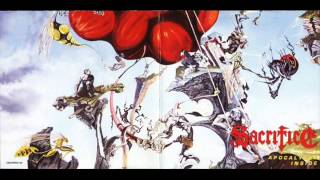
Watch the official Apocalypse Inside
music video
The Voice Sounds Like a Confession
The lyrics are written in first person, so the song feels like a direct confession. The speaker keeps returning to decline, survival, and self-loss. When they ask if they will survive, the question does not read like physical danger alone. It sounds like they are unsure whether their identity can hold together.
That feeling grows stronger with I am losing myself
. This phrase is simple, but it carries the song’s emotional center. The speaker is not just sad or angry. They feel like their sense of who they are is breaking apart.
There is also a second person in the song, a “you” who has failed or betrayed them. That matters because it gives the pain a source. This is not only a battle with the mind. It may also be the aftermath of trust being broken.
Betrayal Pushes the Spiral Deeper
One of the song’s sharpest turns comes when the speaker ties their mental collapse to another person’s actions. The line with My trust you have defied
makes betrayal central to the song’s meaning. It implies that this inner apocalypse did not happen in a vacuum.
The next idea, hate personified
, intensifies that wound. The other person is not described as merely disappointing. They become the embodiment of harm in the speaker’s eyes. That kind of phrasing shows how pain can distort perception when someone feels abandoned or violated.
Interpretation: listeners can read the song in two ways here:
- as a response to personal betrayal in a relationship
- as a broader statement about how external harm can trigger internal collapse
Both readings fit the lyrics because the song never locks itself into one specific story.
The Chorus Turns Pain Into a Thesis
The title phrase works like the song’s thesis statement. When the lyrics arrive at apocalypse inside
, they gather every earlier image into one compact idea: anxiety, wasted time, and broken trust have combined into total inner ruin.
The repeated lines about time running out and life wasting away give the chorus a draining effect. Repetition matters here. It mirrors the loop of obsessive thought, where the same fear keeps returning and each cycle makes it feel more real.
This is why the hook lands so hard. It does not offer relief. It names the condition and sits inside it.
Claustrophobic Images Do the Heavy Lifting
The song’s strongest images are tight, enclosed, and bodily. They are not abstract philosophical ideas. They feel physical. The most striking example is under my skin
, which turns misery into something invasive and impossible to peel away.
That image connects to another major line: the speaker says they are alone with what they have become. Together, these ideas create a claustrophobic mood. There is no safe distance between the self and the pain. The self has become the prison.
A short multi-line passage captures that trapped feeling clearly:
Inside with myself now
And I cannot get free
Can't get out from under my skin
Even in these few words, the song shows what makes the suffering so intense: the enemy is not fully outside. It is wrapped around the speaker’s own identity.
How the Rock Sound Likely Carries the Meaning
The song is identified here as rock, written by Michael Rosenthal and Rob Urbinati. That genre matters for interpretation. Rock often gives emotional crisis a physical shape through distorted guitars, forceful drumming, and repeated hooks. In a song like this, those elements would naturally reinforce the themes of pressure and entrapment.
A likely effect of the arrangement is momentum without release. If the riff cycles hard and the vocals push with strain, the music would echo the lyric’s sense of being stuck in recurring panic. The performance style matters as much as the words: a rough, urgent delivery can make inner pain sound immediate rather than reflective.
Why the Song Connects
The meaning of Apocalypse Inside Sacrifice stands out because it turns invisible suffering into vivid language. Many listeners know the feeling of carrying panic, resentment, or numbness in private while the outside world keeps moving. This song gives that experience dramatic form.
It also avoids easy comfort. There is no clear recovery arc and no neat lesson. That honesty may be part of its appeal. The song does not pretend that damage is simple to fix.
Final Take on the Song’s Meaning
In the end, the meaning of Apocalypse Inside Sacrifice is about an inner breakdown made worse by betrayal and isolation. The title phrase reframes emotional collapse as a personal end-of-the-world event, and the lyrics keep that idea intense through images of decline, confinement, and self-loss.
Interpretation disclaimer: song meaning is never completely fixed. This reading is based on the lyrics provided, songwriting context, and the conventions of rock, but listeners may hear different shades of pain, anger, or survival in the track.








