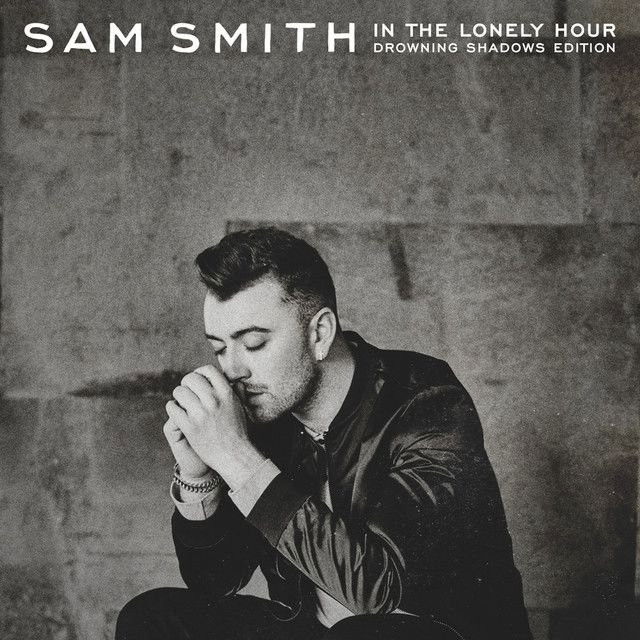
Drowning Shadows by Sam Smith
The meaning of Drowning Shadows Sam Smith comes down to a painful loop: they are trying to quiet loneliness, shame, and emptiness through nightlife, romance, and alcohol, but none of those things truly heal them. Instead, the song captures a person stuck between two bad options—going home alone or staying out and repeating the same habits.
"Drowning Shadows" - Sam Smith
Chasing bodies to fix the parts
I don't know how I reached this place
Loading lyrics...
Unable to load lyrics
We're unable to display the lyrics at this time. Please try again later.
A Late-Night Song About Emotional Avoidance
At its core, this is a song about self-medication. The narrator is not simply sad; they are worn down by patterns that no longer work. Early lines describe chasing people and physical connection in order to repair something broken inside. That is the key emotional engine of the track.
When Sam Smith sings about being far from heaven
and far from grace
, the song frames loneliness in moral and spiritual terms, not just romantic ones. They are not saying they are evil. Rather, they sound disconnected from the person they want to be.
Interpretation: The song suggests that casual intimacy and drinking have become coping tools. Those tools provide short relief, but they also deepen the emptiness that caused the search in the first place.

Watch the official Drowning Shadows
music video
The Crossroads Inside the Chorus
The chorus is where the song becomes most direct. It presents a set of choices: go home alone, keep searching, open up to someone, or shut everyone out. None of these choices feels safe.
That is why the title image matters so much. To drown all my shadows
is to try to sink painful thoughts, regrets, or fears before they can surface. But shadows do not disappear that easily. If anything, the phrase implies a temporary burying of pain, not real healing.
Go home to nothing
or stay out for more?
Those two short lines hold the whole song together. The narrator feels trapped between emptiness and repetition. Home means isolation. Going out means another round of false comfort.
Where the Meaning Came From
Context sharpens the song’s message. According to Songfacts, the track was co-written by Sam Smith and Fraser T. Smith and released on In the Lonely Hour (Drowning Shadows Edition) in 2015. The same source says Smith described it to Zane Lowe as possibly the saddest song they had recorded.
Songfacts also reports that Smith linked the song to a literal crossroads during a taxi ride: one route led toward the clubs they used to visit, while the other led home. That image fits the chorus perfectly. The song is not abstract. It grows out of a real moment where a physical choice mirrored an emotional one.
This detail matters because it keeps the song from sounding vague or overly dramatic. The conflict is ordinary and recognizable: what does a lonely person do at the end of the night when they know the old routine will not help?
How the Verses Build the Feeling of Being Stuck
The verses move in circles, and that is intentional. They start with restless motion—running, chasing, searching—then shift into confusion. The narrator does not fully understand how they arrived at this point.
Later, the song links alcohol to emotional numbing with the line the more I drink
. The idea is simple but sharp: drinking helps them stop thinking for a moment, yet it also makes them sink deeper. Another line says the city's got the better
, turning the city into a force of pressure, temptation, and exhaustion.
Interpretation: The “city” may stand for nightlife culture, hookup culture, or just the noise of modern loneliness. In any reading, the outside world keeps pulling the narrator away from peace.
Why the Piano-First Production Matters
Production is a major part of the song’s meaning. Songfacts notes that Smith told Zane Lowe they always loved the song, but earlier versions did not feel right, so they re-recorded it in a simpler form, essentially just did it with piano
. That choice is crucial.
A stripped arrangement leaves nowhere to hide. Piano songs expose pauses, breath, and cracks in the vocal. Here, that makes the emotional conflict feel immediate. There is no big pop release to make the pain feel glamorous.
Instead, the sparse production mirrors the lyric theme. The narrator tries to drown their feelings, but the arrangement does the opposite: it brings those feelings into the open. The voice sounds close, vulnerable, and tired, which fits the song’s exhausted questions.
A Song About Desire, But Not Really About Romance
It would be easy to hear “Drowning Shadows” as a breakup song. But that reading is too small. Romance is present, yet the deeper issue is the gap between connection and comfort.
The song makes clear that casual love is not enough. What they want is not just company for the night, but someone “good” for them and something “closer,” meaning more honest, more stable, and more nourishing. The pain comes from knowing the difference while still falling back into habits that cannot provide it.
That tension is why the song resonates. Many listeners know the feeling of choosing what is available over what is healthy, especially when loneliness becomes urgent.
Final Reading: What “Drowning Shadows” Really Says
The meaning of Drowning Shadows Sam Smith is about trying to outrun inner pain through external distractions. The song argues, gently but clearly, that shadows cannot be drowned forever. They return the next morning, and often stronger.
What makes the track powerful is its honesty. It does not offer a clean lesson or a dramatic turnaround. It stays with the uncomfortable middle, where someone knows their pattern is failing but has not yet found a better way.
That emotional realism is what gives the song its staying power. It is not only about one lonely night. It is about the moment when coping stops feeling like survival and starts feeling like surrender.
Disclaimer: This interpretation is based on the lyrics, documented song context, and production details. As with any song, listeners may hear personal meanings that differ from this reading.







