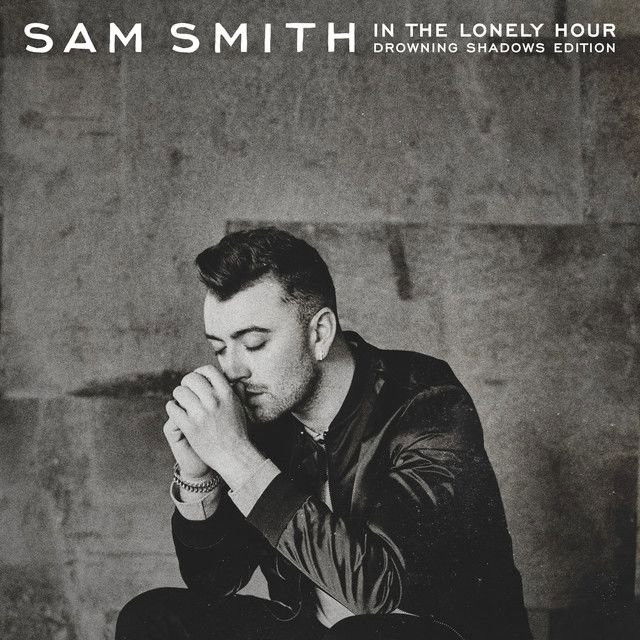
Lay Me Down by Sam Smith, John Legend
Love songs don’t get more direct than this. If you’re searching for the meaning of Lay Me Down Sam Smith, John Legend, it’s a plea for closeness in the middle of loss. The 2015 charity duet topped the UK chart for Comic Relief, and Sam Smith has called the song the first they wrote for In the Lonely Hour and a life‑changing moment.
"Lay Me Down" - Sam Smith, John Legend
That one day I will be where I was
Right there, right next to you
Loading lyrics...
Unable to load lyrics
We're unable to display the lyrics at this time. Please try again later.
A Love Lament That Sounds Like A Prayer
At heart, the song is grief in real time. The narrator tries to outlast absence, reaching for memories of your touch, your skin
while the world feels dimmed. They don’t just want reunion; they want to care for the other person, promising to make sure you’re alright
.
Interpretation: It blends romantic devotion and spiritual longing. Critics have noted how it feels as much like a hymn as a ballad, and Smith has said the track set their course toward voice-first, truth-first songwriting.

Watch the official Lay Me Down
music video
Who’s Talking, And To Whom?
The voice is first person, addressing a lover who isn’t there. When they ask, Can you hear my call
?, it reads like a one-sided prayer—spoken into distance, doubt, or death. The ache turns into resolve with the line I don't want to be here
if they can’t be together tonight. That despair fuels the promise to protect and comfort when they finally reunite.
The Chorus: Need Made Simple
Here, the plea becomes physical and immediate.
Can I lay by your side next to you
Interpretation: This isn’t only romance; it’s a request for safety. The chorus shrinks grief into a single, concrete act—lying side by side—because proximity is the cure the narrator can imagine and control.
What Happens Across The Song
- Verse 1: The world feels darker without them; memory is vivid but empty.
- Pre-chorus: Tears and denial struggle with the scale of the loss.
- Chorus: The plea to be near becomes a vow of care.
- Verse 2: The narrator reaches out again, repeating the call across the gap.
- Final chorus: The promise intensifies; closeness is both remedy and prayer.
Symbols That Do The Heavy Lifting
Night imagery hints at depression and isolation. Referencing the moon and the stars
suggests that even grand, constant things feel useless without the beloved’s presence. Touch is the central motif; remembering your touch, your skin
turns absence into something the body can feel. Repeated calls and quiet vows frame love as action, not just sentiment.
Why The John Legend Duet Hits Differently
The Smith/Legend version (released March 9, 2015) was the official Comic Relief single and reached #1 in the UK. Smith opens alone; Legend replies, then the two blend on harmonies. That shift from solo confession to shared voice changes the meaning: grief becomes communal. Legend’s warm piano and baritone cushion Smith’s tremble, turning a private cry into collective comfort—fitting for a charity recording about showing up for others.
Production Choices That Let Grief Breathe
Produced by Jimmy Napes and Steve Fitzmaurice, the single moves on slow piano with airy reverb, then swells with strings and backing vocals. The arrangement starts spare, giving room for every breathy break in Smith’s delivery, and builds toward catharsis. Dynamics mirror the text: whispers of doubt, then surges of commitment. The tempo’s patience makes the hook land harder; the mix keeps the vocal front-and-center, as if whispered right beside the listener.
Context From Smith’s Debut Era
“Lay Me Down” was the lead single written for In the Lonely Hour. Smith has described that era as rooted in raw, personal truth. The song later became a hit in its 2015 re-release, and the Smith/Legend charity version cemented its status. The re-release video stages a funeral and a flashback wedding in the same church, pairing romantic equality with mourning. That visual context encourages a reading of the song as a tribute to a lost spouse, without closing the door on other meanings.
Alternate Readings That Still Fit
- Bereavement: The video’s wedding-funeral pairing backs a story of death and enduring vows.
- Long-distance separation: Lines like
Can you hear my call
? feel like time zones and spotty signals. - Breakup or unrequited love: Much of Smith’s debut addressed love not returned; the ache and bargaining match that theme.
Interpretation: No matter the lens, the core stays the same—love wants to protect, even when it can’t fix what’s broken right now.
Takeaway: A Promise You Can Hear
The meaning of Lay Me Down Sam Smith, John Legend is simple and human: when words fail, be there. The song translates big feelings into one act—lying side by side—and turns grief into a vow to care until closeness is possible again.
Disclaimer: Song meanings are interpretive and based on available interviews, releases, and cultural context; your personal read may differ.
Sources
- https://en.wikipedia.org/wiki/Lay_Me_Down_(Sam_Smith_song)
- https://www.songfacts.com/facts/sam-smith/lay-me-down
- https://www.officialcharts.com/chart-news/sam-smith-and-john-legend-score-comic-relief-number-1-with-lay-me-down/
- https://www.rollingstone.com/music/music-news/sam-smiths-lay-me-down-video-marries-mourns-in-church-55291/
- https://www.washingtonpost.com/news/morning-mix/wp/2015/03/27/sam-smiths-new-video-shows-how-a-gay-wedding-can-happen-in-a-church/








