Why Sampha’s Piano Song Hurts So Deep
The meaning of (No One Knows Me) Like the Piano Sampha comes into focus when listeners stop treating the piano as just an instrument. In this song, it feels like a witness, a friend, and a bridge back to childhood. Sampha turns a simple object in his mother’s house into a container for memory, grief, and identity.
"(No One Knows Me) Like the Piano" - Sampha
You would show me I have something, some people call a soul
And you dropped out the sky, oh, you arrived when I was three years old
Loading lyrics...
Unable to load lyrics
We're unable to display the lyrics at this time. Please try again later.
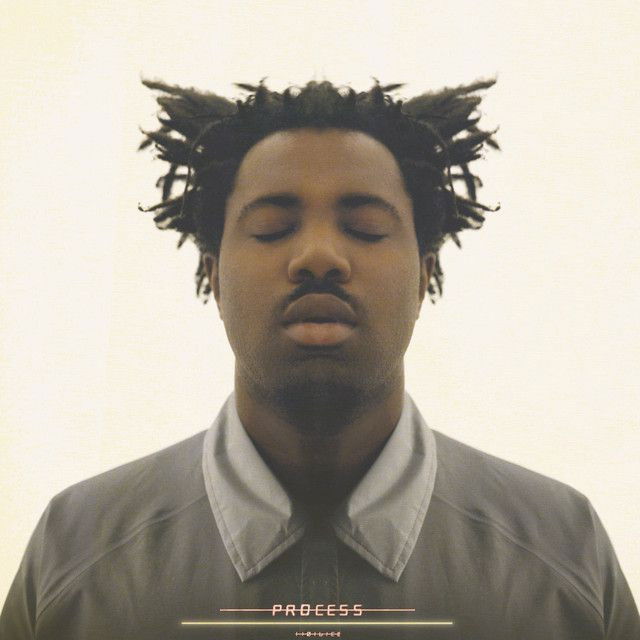
Released on Process in 2017, the song sits near the emotional center of an album widely understood as shaped by grief, healing, and self-examination. Sampha wrote the song himself, and its personal feel matches the album’s broader themes. Even without outside explanation, the lyrics make it clear that home, family, and loss are all tied together here.
A Homecoming Hidden Inside a Lullaby
At the surface, the song is about a piano in his mother’s home. But the deeper idea is that this piano knew him before anyone else did. When he sings my mother's home
, the phrase does more than set a location. It places the whole song inside a space of origin, safety, and early self-discovery.
The key emotional move comes from the idea that the piano recognized something in him long before the world did. In the line with some people call a soul
, he suggests that music helped reveal an inner self that was hard to name. The instrument becomes almost human, as if it saw him clearly when he was too young to understand himself.

Watch the official (No One Knows Me) Like the Piano
music video
The Piano as Memory, Witness, and Comfort
One reason the song lands so hard is that the piano is treated like a living companion. Sampha says no one knows me
with a kind of quiet certainty, not drama. That makes the song feel less like a performance and more like a confession.
Interpretation: the piano symbolizes continuity. People leave, time moves, and grief changes a family, but the instrument remains. It holds the past in a physical form. Because it stays in the house, it becomes linked to his mother, to childhood, and to the person he was before adulthood pulled him away.
There is also a gentle tension in the song. He has left home and grown up, yet he still belongs to that room emotionally. When he says I flew the nest
, he admits distance and independence. But he quickly balances that with the promise of return, showing that maturity has not broken his bond with home.
Grief Lives in the Middle of the Song
The song’s emotional center is not just nostalgia. It is grief. In the second half, Sampha shifts from memory into loss, and the piano becomes a support through that pain. The mention of an angel by her side
points to his mother’s death without turning the song into a blunt description.
That restraint matters. He does not detail the grief in a dramatic way. Instead, he says he kept feelings close, which suggests shock, control, or even emotional numbness. The result is believable. Real grief often sounds exactly like this: quiet, compressed, and hard to fully release.
You know I left, I flew the nest
And you know I won't be long
This brief passage captures the song’s push and pull. He left, but not completely. He built a life elsewhere, yet part of him never stopped living in that house, near that piano, with those memories.
Why the Chorus Feels So Devastating
The repeated title line works because it keeps gathering new meaning. At first, it sounds like a tender statement about music and childhood. By the end, it sounds like a line shaped by bereavement. The piano knows him because it was there before loss and remained after loss.
Interpretation: the chorus also hints that the piano knows what he cannot easily tell other people. It understands the parts of grief that sit in the body rather than in speech. That may be why the song feels so intimate even though the writing is simple.
How the Sound Carries the Message
The production is crucial to the meaning of (No One Knows Me) Like the Piano Sampha. The arrangement is spare, with piano placed front and center and very little distraction around it. That choice makes the instrument feel physically present, almost like another character in the room.
Sampha’s voice also matters. He sings softly, but not weakly. There is a tremble in the performance that suggests effortful control, as if he is holding emotion in place while letting just enough escape. The lack of heavy production tricks helps the song feel exposed and honest.
The pacing is slow and patient. Silence and space do emotional work here. Instead of rushing toward a big climax, the song stays close to the ground, which mirrors how memory and mourning often arrive: in waves, in pauses, in small details.
A Broader Reading of Identity and Art
Beyond family grief, the song can also be heard as an origin story for Sampha the artist. The piano did not just comfort him; it helped form him. It showed him he had a voice, a self, and a way to express what ordinary conversation could not.
That makes the song partly about art itself. Music is not presented as escape. It is presented as recognition. The piano does not save him from life; it helps him understand life.
The Lasting Meaning
In the end, the meaning of (No One Knows Me) Like the Piano Sampha is about the rare places and objects that hold a person’s truest self. Sampha connects home, his mother, grief, and music in a way that feels deeply personal but widely relatable.
The song hurts because it is so gentle. It understands that the strongest emotional bonds are not always loud. Sometimes they sit quietly in a room, waiting for someone to come home.
Disclaimer: This interpretation is based on the lyrics, performance, and publicly known context. Like all art, the song can hold different meanings for different listeners.








