Why Santana’s “Evil Ways” Still Hits Hard
Santana’s breakout hit sounds smooth, danceable, and loose. But the meaning of Evil Ways Santana is much sharper than its groove first suggests. Beneath the organ riffs, percussion, and guitar fire, the song is a direct warning from someone who feels disrespected, lied to, and emotionally worn down.
"Evil Ways" - Santana
Before I stop lovin' you
You've got to change, baby
Loading lyrics...
Unable to load lyrics
We're unable to display the lyrics at this time. Please try again later.
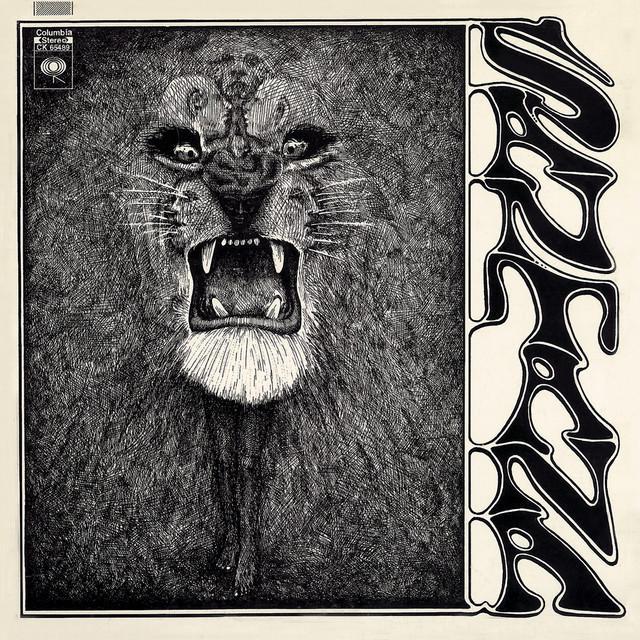
Released on Santana’s 1969 debut album Santana, and later becoming a Top 10 U.S. hit in 1970, “Evil Ways” helped turn the band’s post-Woodstock buzz into mainstream success. According to reporting summarized by American Songwriter and standard discography references, the song was written by Clarence “Sonny” Henry and was first recorded by Willie Bobo before Santana made it famous.
A Breakup Warning Disguised as a Groove
At its core, the song is about a partner drawing a line. The narrator believes the other person is acting dishonestly and maybe seeing other people. They are not just sad; they are exhausted. The repeated demand to change is really an ultimatum.
The key phrase, change your evil ways
, sounds dramatic, but the song keeps the issue concrete. The singer feels manipulated, made to chase, and left in the dark. When they say this can’t go on
, the message is simple: love has limits.
Interpretation: The word “evil” is probably not meant in a supernatural sense. It sounds more like a charged, emotional label for selfish behavior—cheating, neglect, and disrespect. In everyday language, the narrator is saying: stop hurting me or lose me.
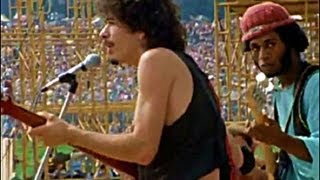
Watch the official Evil Ways
music video
The Story Inside the Verses
The song works because it gives quick snapshots instead of a long backstory. One verse describes the narrator feeling driven into suspicious behavior, almost turned into a detective by betrayal. The line about runnin’ and hidin’
suggests emotional chaos, not just literal movement.
Another verse shifts to the home. The place that should feel warm instead feels abandoned. The image of a dark house and cold food paints neglect in plain terms. Then the singer points to the partner spending time with others, naming people almost casually, as if there are too many possible rivals to count.
Before I stop lovin’ you
And every word that I say is true
That brief moment matters because it shows the relationship is not over yet. The narrator is still invested. They are angry because they still care.
Who Is Speaking, and Why It Matters
The voice in “Evil Ways” is personal and confrontational. They are speaking directly to a lover, not reflecting quietly to themselves. That second-person address gives the song its tension. It feels like a face-to-face reckoning.
This is also why the hook lands so strongly. It is not vague heartbreak. It is a demand. The singer is trying to reclaim dignity after being made to feel foolish. Later, that feeling becomes explicit with feel like a clown
, which turns private pain into humiliation.
Interpretation: One reason the song remains relatable is that it captures a common emotional shift. A person starts in love, moves into suspicion, then finally reaches a boundary. The song lives in that last stage—when affection and frustration exist at the same time.
The Sound Turns Conflict Into Momentum
Part of the genius of “Evil Ways” is that the arrangement never sounds defeated. Santana’s version blends rock drive with Latin rhythm and jazz-minded looseness, which gave the band a distinct identity in 1969. Gregg Rolie sings lead and plays the Hammond organ solo, while Carlos Santana’s guitar enters with sharp, emotional punctuation.
Those musical choices deepen the meaning. The percussion keeps everything moving, as if the confrontation cannot be avoided. The organ has a sly, urgent tone that matches the singer’s frustration. Then the guitar solo lifts the track from complaint to release.
Instead of sounding crushed, the band sounds energized. That matters. The song is about pain, but it is also about self-respect returning. The groove says: they may be hurt, but they are no longer passive.
Why Santana’s Version Became the Definitive One
“Evil Ways” was not originally Santana’s song, but their recording became the classic. That is partly timing. After the band’s famous 1969 Woodstock set, audiences were ready for a sound that mixed blues-rock force with Afro-Latin rhythm. “Evil Ways” fit that moment perfectly and reached No. 9 on the Billboard Hot 100 in 1970.
It is also about clarity. The lyric is plainspoken, and the band does not overcomplicate it. They let the rhythm carry the tension while the vocal stays blunt and human. Even listeners who miss every detail of the verses can still understand the emotional center: somebody has been pushed too far.
There is also a small piece of song-history trivia here. Early pressings reportedly miscredited the songwriter as Jimmie Zack, though the song was written by Sonny Henry. That correction matters because Henry’s writing gave Santana one of their earliest defining statements.
Final Meaning: Love, Limits, and a Last Chance
So what is the meaning of Evil Ways Santana? Most simply, it is a warning to an unfaithful or reckless partner: change, or the relationship ends. The narrator is hurt, embarrassed, and tired of chasing someone who keeps creating doubt.
But the song lasts because it does more than accuse. It captures the moment when love stops being blind. The singer still cares, yet they are beginning to choose themselves. In that sense, “Evil Ways” is not just about betrayal. It is about the emotional power of finally setting a boundary.
That mix of sting and strength is why the song still feels alive. The beat invites people in, but the message stays firm.
Disclaimer: This interpretation is based on the lyrics, recording context, and documented history of the song. As with any song, listeners may hear different meanings in it.








