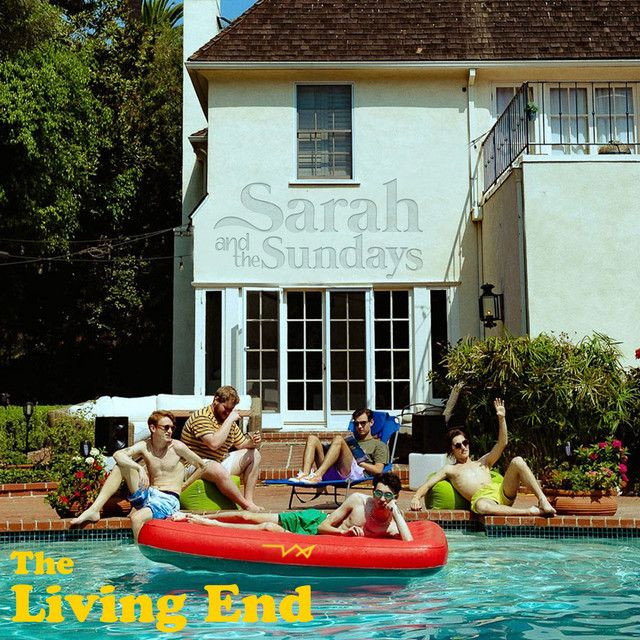
Miss Mary by Sarah and the Sundays
They keep asking what the meaning of Miss Mary Sarah and the Sundays really is. Under the bright indie-rock sheen sits a narrator stuck between setting boundaries and slipping back into old patterns. The song’s drama is simple and sharp: the phone rings, apologies pile up, and resolve melts at the worst moment.
"Miss Mary" - Sarah and the Sundays
Miss Mary won’t stop calling me
I just do not think that you deserve a third apology
Loading lyrics...
Unable to load lyrics
We're unable to display the lyrics at this time. Please try again later.
A tug-of-war between resolve and relapse
At its core, the track plays like a phone-call standoff. The narrator tries to draw a line with Hang up the phone again
while admitting the pressure of someone who won’t stop calling
. They push back with You should be letting me go
, signaling a desire for closure and self-respect.
Interpretation: The lyric voice wants out but can’t fully detach. They offer another apology they don’t believe in, because it keeps the peace—or keeps a connection alive. The refrain shows how fast a firm decision can turn soft when loneliness, guilt, or habit creeps in.

Watch the official Miss Mary
music video
Who’s speaking—and who is “Miss Mary”?
The song is written in first person, aimed at a persistent “you.” On the surface, “Miss Mary” reads like an ex whose calls never end. Lines like I’m in control again
clash with I’m not ready, I’m not whole
, revealing a speaker who talks tough but is still healing.
Interpretation: Some listeners hear “Miss Mary” as more than a person—possibly a stand‑in for a vice or routine that’s hard to quit. The nickname can echo the way people personify habits to give them a face and a phone number. Either way, the pull is the same: the past keeps calling, and saying no takes more than a single brave sentence.
How the story unspools, beat by beat
- The phone rings; they draw a boundary and consider ending contact.
- They issue yet another apology, even while questioning whether it’s deserved.
- They claim control, then undercut it with doubt and delay, telling the other person to step back until they’re ready.
- The chorus resets the board: a vow to move on gets walked back in seconds.
- By repeating the hook, the cycle becomes the point—their life wobbles because they “let it,” not because fate demands it.
The speaker’s growth is subtle: awareness rises even as behavior stalls. Owning the problem is step one; acting differently is the real hurdle.
What the hook confesses, in plain terms
Do you remember when I said I was moving on? Yeah, just forget it Do you remember how my life just went to shit Because I let it?
The hook is a mirror and a mea culpa. They admit the backslide and accept responsibility. Interpretation: The pivot from intention to “forget it” is the sound of willpower buckling under emotion. It’s not just heartbreak; it’s the shame of knowing better and doing it anyway.
Symbols and small tells: phones, apologies, and “the show”
The phone is the trigger—contact that reopens a wound. The repeated apologies point to a pattern, not a one‑time mistake. And when they say I’m here for the show
, the song hints at performance. Interpretation: They might be playing a role—appearing okay, or keeping the other person calm—while truth sits offstage. It’s a quiet critique of how people perform closeness while pulling away, or perform strength while crumbling.
How the sound sells the emotion
Musically, the band leans on bright, jangly guitars and a tight rhythm section that keeps the verses conversational and clipped. The vocal delivery feels confessional rather than grand, as if we’re hearing a private walk‑back in real time. When the chorus hits, the dynamics swell just enough to underline the collapse of resolve. Interpretation: That lift makes the contradiction feel inevitable—the music opens up right as their boundaries fall apart.
This contrast—clean tones carrying messy feelings—matches the lyrical stance. The track sounds poised and tuneful, but the words confess doubt, anger, and resignation. It’s a clever way to keep listeners moving while the narrative admits it’s stuck.
Alternate readings that still ring true
- Toxic loop breakup: “Miss Mary” is an ex, the calls reignite conflict, and the narrator can’t quite block the number.
- Personified habit: “Miss Mary” stands for temptation, and the apology cycle is the relapse cycle.
- Performance pressure: “The show” nods to public life, where they say the right things but privately can’t follow through.
Each reading fits the key lines and the tension between control and collapse. None cancel the others; they layer to show how one conflict can wear many faces.
Takeaway: owning the slip is part of moving on
The meaning of Miss Mary Sarah and the Sundays lands in a hard truth: growth isn’t linear. They see the pattern, name it, and still wrestle with it. That honesty—admitting “I let it”—is the song’s brave center.
Disclaimer: This analysis offers interpretation based on the recording and publicly available lyrics; the band’s intent may differ, and listeners may hear other meanings.








