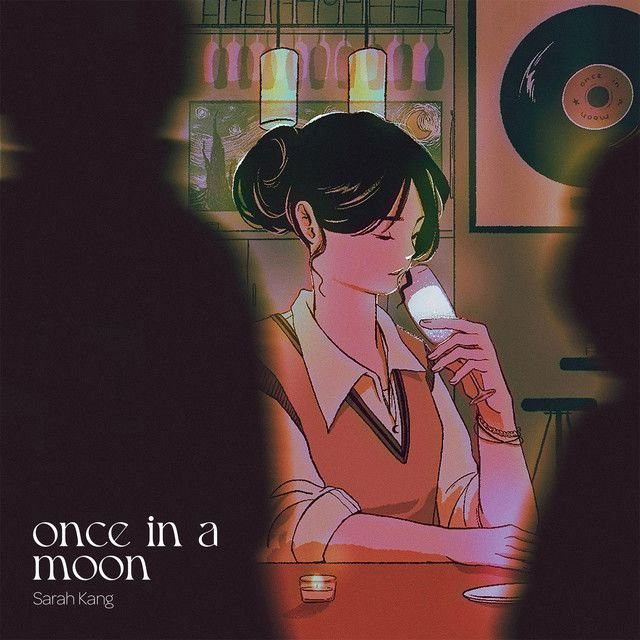
What 'once in a moon' Really Says About Heartbreak
The meaning of once in a moon Sarah Kang comes down to one painful idea: they may leave, but the small parts of them do not. Sarah Kang’s song turns a gentle acoustic setup into a study of memory, regret, and the strange way love lingers longer than logic says it should.
"once in a moon" - Sarah Kang
Just because of the way you say it
And I would memorize every line and hair
Loading lyrics...
Unable to load lyrics
We're unable to display the lyrics at this time. Please try again later.
Written by Eun Song Kang and Patrick Daez Hizon, the track is intimate without being dramatic. It sounds light, but its emotional message is heavier: healing is not a straight line, and even hopeful people can misjudge how long a heart takes to recover.
A Quiet Song About Love That Won’t Fully End
At its core, the song follows someone looking back on a relationship that felt tender, ordinary, and deeply personal. They remember how a loved one said their name, how shared walks felt meaningful, and how even conflict seemed survivable. The loss hurts because the relationship was not framed as chaos. It was framed as something that could have lasted.
That is why the line around if only you had stayed
matters so much. It does not describe betrayal in detail. Instead, it centers absence. The heartbreak comes from a future that never got the chance to happen.
Interpretation: This makes the song less about one dramatic breakup and more about the ache of unfinished love. They are not only missing a person. They are mourning a version of life that seemed possible.
Watch the official once in a moon
music video
The Chorus Turns a Clever Phrase Into Something Sadder
The title seems to riff on the common phrase “once in a blue moon.” In the chorus, they claim they will think of this person once in a moon
, as if memories will become rare and manageable. But the rest of the chorus undercuts that confidence.
The trigger points are simple: your favorite tune
and seeing someone similar. Those are not rare events. They are everyday reminders. So the phrase becomes quietly ironic. They want remembrance to be occasional, but life keeps making it regular.
This emotional contradiction reaches its peak in the paired thought that maybe, after time passes, they will stop loving this person—or maybe they still will. That uncertainty is the song’s most honest move. It rejects neat closure.
Memory Lives in Small, Domestic Details
One reason the song feels relatable is its imagery. Instead of grand symbols, it uses close-up details: a name spoken with care, lines and hair memorized, a walk down a tree-lined street, harmony in shared singing. These images suggest intimacy built from repetition.
The phrase tree-lined street
is especially effective because it sounds peaceful and ordinary. It places the relationship in lived space, not fantasy. Similarly, the idea of memorizing someone’s features shows an almost protective kind of love, as though memory is all they have left to hold.
What if I had bit my tongue
What if what we had was enough
This is the song’s sharpest emotional pivot. Up to that point, the narrator mainly remembers. Here, they start revising. They imagine different choices and wonder if silence could have saved the relationship.
Regret, Self-Blame, and the Limits of “Getting Over It”
The later lines introduce a more complicated kind of pain: self-questioning. They admit their calculations were off
, which is a striking phrase in such a soft song. It suggests they tried to treat heartbreak like something measurable.
That word choice matters because it exposes the false comfort of planning recovery. They thought time would solve everything. Instead, the song shows that emotion does not follow a clean schedule.
Interpretation: The narrator may be blaming themselves more than the facts justify. Asking “what if” can be a natural grief response, not proof that one mistake caused the breakup. The song leaves that ambiguity open, which makes it feel human rather than overly tidy.
How the Sound Supports the Meaning
The production style is a big part of why the song lands. As noted in NME, Hanni of NewJeans covered the song in 2023, describing its chords and “warm atmosphere.” That description fits the original well. The arrangement is stripped-down and acoustic-led, which keeps the focus on melody, voice, and lyrical detail.
A fuller production might have pushed the song toward melodrama. Instead, the gentle guitar and soft delivery make the sadness feel lived-in. The performance does not beg for tears. It lets them arrive naturally.
That also explains why the song has traveled well through covers and social sharing. A simple arrangement invites listeners to sit inside the lyrics. It feels like a private thought spoken out loud.
Why the Song Resonates Beyond Its Size
Part of the song’s reach comes from its emotional precision. It captures a common post-breakup reality:
- they expect memories to fade
- certain sounds bring everything back
- regret rewrites the past
- love can remain even after acceptance begins
NME also reported that Hanni’s cover introduced the track to listeners who connected with its wintery, healing mood. That outside reception supports what is already in the song: sadness here is not explosive. It is quiet, seasonal, and reflective.
The Lasting Meaning of once in a moon
The meaning of once in a moon Sarah Kang is not just that someone misses an ex. It is that they are learning how memory works after love ends. They cannot control when reminders appear, and they cannot fully predict whether feeling will fade.
In the end, the song says something many breakup songs avoid: sometimes people do move forward, but a part of them still returns to what mattered. That does not mean they are broken. It means the relationship was real.
Disclaimer: This interpretation is based on the lyrics, available songwriting credits, and public reporting. Song meaning can remain open, and listeners may hear something different in it.









